A realistic 30-day low glycemic diet menu is not 90 unique meals memorized in advance — it is four rotating weekly templates that keep shopping simple and decision fatigue low. The goal is to build meals around non-starchy vegetables, legumes, intact whole grains, lean protein, and healthy fats so that every plate produces a gentle, rather than sharp, glucose response.
The Principles Behind the Menu
The glycemic index (GI), developed by Jenkins and colleagues in 1981, ranks carbohydrate-containing foods by how quickly they raise blood sugar relative to pure glucose. Foods under 55 are low GI, 56-69 are moderate, and 70 or above are high. A low glycemic pattern combines low-GI foods with protein, fat, and fiber to further slow digestion.
The Diabetes Prevention Program (NEJM, 2002) showed that a diet-and-exercise pattern aligned with these principles reduced progression from prediabetes to type 2 diabetes by 58% over three years. The Mediterranean-diet arm of PREDIMED produced similar outcomes. The diet and nutrition hub walks through the evidence in more depth.
The Four-Week Template Approach
Instead of writing 30 unique days, rotate four weekly templates. Most people cook and enjoy the same 8-12 dinners; a 30-day menu simply formalizes that rhythm. Each week keeps the same structure, but swaps out proteins, vegetables, and grains for variety.
Week 1 Template: Mediterranean Base
- Breakfast: Greek yogurt with blueberries, chia, and walnuts.
- Lunch: Grilled chicken salad with olive oil and vinegar.
- Dinner: Baked salmon, roasted broccoli, quinoa.
- Snack: Apple with almond butter.
Week 2 Template: Legume-Forward
- Breakfast: Two eggs with spinach and sauteed peppers.
- Lunch: Lentil soup with a side salad.
- Dinner: Turkey chili with kidney beans over cauliflower rice.
- Snack: Hummus with cucumber and carrots.
Week 3 Template: Fish and Greens
- Breakfast: Overnight steel-cut oats with flaxseed and berries.
- Lunch: Tuna salad over mixed greens with olives.
- Dinner: Cod, sauteed kale and garlic, roasted sweet potato (small).
- Snack: Plain Greek yogurt with cinnamon.
Week 4 Template: Plant-Heavy
- Breakfast: Tofu scramble with tomatoes and whole grain toast (small).
- Lunch: Chickpea bowl with quinoa, tahini, and cucumber.
- Dinner: Stir-fried tempeh with broccoli, peppers, and brown rice (1/2 cup).
- Snack: Handful of almonds and a pear.
Daily Structure That Flattens Glucose
Regardless of which week you are in, these patterns consistently keep glucose in range:
- Half the plate non-starchy vegetables at lunch and dinner.
- Protein first: eat protein and vegetables before starches to blunt the post-meal peak.
- Carbs with company: always pair carbohydrates with fat or protein.
- 10-minute walk after the largest meal — the single most effective low-cost intervention.
- Hydrate: 6-8 cups of water per day.
Foods to Emphasize, Limit, and Avoid
| Emphasize | Use sparingly | Avoid |
|---|---|---|
| Leafy greens, broccoli, peppers | Sweet potato, corn, peas | White bread, sugary cereal |
| Lentils, chickpeas, black beans | Basmati rice, whole wheat pasta | Soda, fruit juice, sweet tea |
| Salmon, sardines, eggs, tofu | Bacon, processed deli meats | Pastries, cookies, candy |
| Berries, apples, pears, oranges | Banana, pineapple, mango | Dried fruit with added sugar |
| Almonds, walnuts, olive oil | Whole grain crackers | Fried foods, chips |
A Sample Day (Week 1, Day 3)
7:30 am — 3/4 cup plain Greek yogurt with 1/2 cup blueberries, 1 tbsp chia, 1 tbsp chopped walnuts. Coffee with milk.
12:30 pm — Grilled chicken (4 oz) on mixed greens with cucumber, cherry tomatoes, feta, 1/4 avocado, olive oil and vinegar.
3:30 pm — Apple slices with 1 tbsp almond butter.
7:00 pm — Baked salmon (5 oz) with roasted broccoli and 1/2 cup cooked quinoa. 15-minute walk after dinner.
Measuring Results Over 30 Days
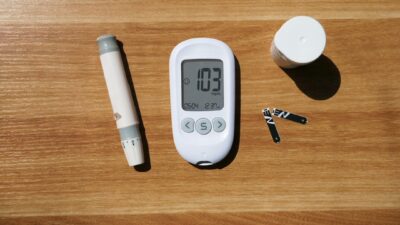
Track a few metrics at the start and end: fasting glucose (if you have a meter), weight, waist circumference, and energy levels. If you use a CGM, compare time in range and GMI between week 1 and week 4. Typical 30-day results for people starting with prediabetes-range numbers: fasting glucose down 8-15 mg/dL, weight down 3-8 lb, and a 0.3-0.6% drop in A1C by 3 months. The A1C levels guide helps put those numbers in context.
Staying Consistent Past Day 30
The best 30-day menu is one you can extend into a 180-day habit. Keep the weekly template but rotate seasonal produce, swap proteins, and allow a few “off-template” meals per week to keep the plan sustainable.
The Bottom Line
A 30-day low glycemic diet menu works best as four rotating weekly templates built on non-starchy vegetables, legumes, intact whole grains, lean protein, and healthy fats. Combine the pattern with a short walk after your largest meal and check your numbers at day one and day 30. Most people see a visible improvement in fasting glucose, weight, and energy within the first month.