A prediabetes diet focuses on whole, minimally processed foods that keep your blood sugar steady — non-starchy vegetables, lean proteins, healthy fats, and high-fiber carbohydrates. According to the American Diabetes Association, nutrition therapy is one of the most effective ways to manage and reverse prediabetes.
Why Diet Matters for Prediabetes
When you have prediabetes, your body has trouble processing blood sugar efficiently. Every time you eat, the carbohydrates in your food are broken down into glucose, which enters your bloodstream. Your pancreas releases insulin to move that glucose into your cells for energy. With prediabetes, this system is not working properly — your cells resist insulin, and blood sugar stays elevated.
The foods you eat directly control how much glucose enters your blood and how quickly. Choosing foods that are digested slowly — those high in fiber, protein, and healthy fat — keeps blood sugar more stable. Refined and sugary foods, on the other hand, cause rapid spikes that strain an already-struggling system.
The Plate Method: The Simplest Starting Point
The American Diabetes Association recommends the plate method as the easiest way to build balanced meals without counting calories or carbs. Use a standard 9-inch plate and divide it into sections:
| Plate Section | Portion | What to Put There |
|---|---|---|
| Non-starchy vegetables | Half the plate | Broccoli, spinach, peppers, salad greens, green beans, cauliflower |
| Lean protein | One quarter | Chicken, fish, turkey, tofu, eggs, beans |
| Whole grain or starchy food | One quarter | Brown rice, quinoa, sweet potato, whole wheat bread |
Add a serving of healthy fat (a drizzle of olive oil, a quarter of an avocado, or a small handful of nuts) and water or an unsweetened drink. This method naturally controls carbohydrate portions and keeps calories in a reasonable range.
Understanding the Glycemic Index
The glycemic index (GI) ranks foods from 0 to 100 based on how quickly they raise blood sugar. Low-GI foods (55 or below) are digested slowly and cause a gradual rise. High-GI foods (70 or above) cause a rapid spike.
| GI Category | GI Score | Examples |
|---|---|---|
| Low | 55 or below | Steel-cut oats, lentils, most vegetables, berries, nuts, sweet potato |
| Medium | 56-69 | Brown rice, whole wheat bread, banana, pineapple |
| High | 70 or above | White bread, white rice, instant oatmeal, potatoes, watermelon |
You do not need to memorize GI values for every food. Instead, use a simple rule: the more processed a food is, the higher its GI tends to be. Whole, intact grains are lower than refined flour. A whole apple is lower than apple juice. Cooking and processing generally raise the GI.
GI Is Not the Whole Story
Portion size matters too. Watermelon has a high GI, but a typical serving contains relatively little carbohydrate, so the actual blood sugar impact (called glycemic load) is moderate. Focus on both the quality and quantity of your carbohydrates.
What to Eat: A Prediabetes Food Guide by Category
Vegetables
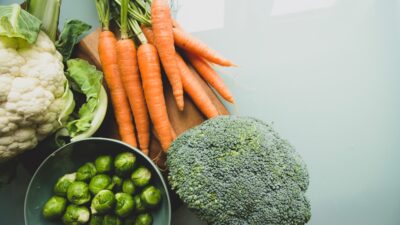
Non-starchy vegetables should be the foundation of your diet. They are low in calories and carbohydrates, high in fiber and nutrients, and you can eat them in large quantities. Top choices include broccoli, spinach, kale, cauliflower, peppers, tomatoes, cucumbers, mushrooms, zucchini, and other prediabetes-friendly foods.
Starchy vegetables like potatoes, corn, and peas are nutritious but higher in carbohydrates. Treat them as your grain/starch portion on the plate rather than as a vegetable.
Proteins
Protein slows digestion and helps stabilize blood sugar after meals. Choose lean options most of the time:
- Skinless chicken and turkey breast
- Fish and seafood (salmon, tuna, shrimp, cod)
- Eggs
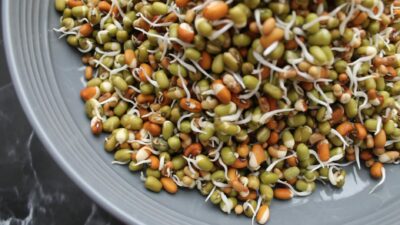
- Beans and lentils (also count as a fiber-rich carb)
- Tofu and tempeh
- Low-fat cottage cheese and Greek yogurt
Limit processed meats like bacon, sausage, and deli meats — they are linked to increased diabetes risk independent of their fat content.
Whole Grains and Starches
Choose whole grains over refined grains whenever possible. The fiber in whole grains slows glucose absorption and helps you feel full longer.
- Best choices: Steel-cut or rolled oats, quinoa, barley, bulgur, farro
- Good choices: Brown rice, whole wheat bread, whole wheat pasta
- Limit: White bread, white rice, white pasta, most crackers
Fruits
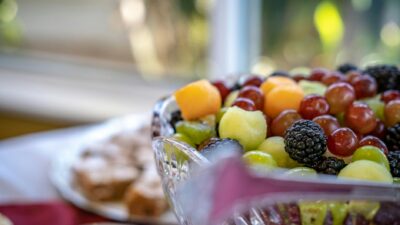
Fruits are nutritious and most are fine in moderation. Berries are the best choice — they are low-GI, high in fiber, and packed with antioxidants. Apples, pears, oranges, and grapefruit are also excellent. Eat whole fruits rather than drinking juice, and limit dried fruits which are concentrated in sugar.
Fats
Healthy fats do not raise blood sugar directly and can help slow the absorption of carbohydrates when eaten together. Focus on unsaturated fats:
- Olive oil and avocado oil
- Avocados
- Nuts (almonds, walnuts, pecans, pistachios)
- Seeds (chia, flax, pumpkin)
- Fatty fish (salmon, sardines, mackerel)
Limit saturated fats from butter, full-fat cheese, and fatty cuts of meat. Avoid trans fats entirely — check labels for “partially hydrogenated oils.”
Dairy
Choose low-fat or fat-free dairy products. Plain Greek yogurt is one of the best dairy options — it is high in protein, low in sugar, and has a low glycemic index. Avoid flavored yogurts, which often contain as much sugar as candy. If you prefer plant-based milk, unsweetened almond, soy, or oat milk are reasonable alternatives.
What to Avoid or Limit
Some foods consistently raise blood sugar quickly and should be minimized. For a detailed list, see our guide on the worst foods for prediabetes.
Sugary Beverages
Sugary drinks are the single worst dietary choice for blood sugar. A 12-ounce can of soda contains about 39 grams of sugar — roughly 10 teaspoons. Because the sugar is in liquid form, it is absorbed almost instantly with no fiber to slow it down. This includes soda, fruit juice, sweetened iced tea, energy drinks, and sweetened coffee drinks.
Replace sugary drinks with water, sparkling water, unsweetened tea, or black coffee. This one change alone can make a meaningful difference in your blood sugar levels.
Refined Carbohydrates
White bread, white rice, pastries, and most breakfast cereals are stripped of fiber during processing. They behave like sugar in your body, causing rapid blood sugar spikes. Swap them for their whole-grain counterparts.
Processed and Ultra-Processed Foods
Packaged snacks, fast food, frozen meals, and processed meats often contain hidden sugars, unhealthy fats, and excess sodium. Read nutrition labels and ingredient lists. If sugar (or one of its many aliases like high-fructose corn syrup, dextrose, or maltose) is in the first three ingredients, choose something else.
Sample Day of Prediabetes-Friendly Meals
| Meal | Example | Key Benefits |
|---|---|---|
| Breakfast | Steel-cut oats with walnuts, cinnamon, and blueberries | Low-GI whole grain, healthy fat, fiber-rich fruit |
| Morning Snack | Apple slices with 2 tablespoons almond butter | Fiber + healthy fat slows sugar absorption |
| Lunch | Large salad with grilled chicken, chickpeas, avocado, and olive oil dressing | Non-starchy veggies fill half the plate, lean protein, healthy fat |
| Afternoon Snack | Handful of mixed nuts and a small piece of cheese | Protein and fat with minimal carbohydrate |
| Dinner | Baked salmon, roasted broccoli and peppers, half cup brown rice | Plate method portions, omega-3 fatty acids, fiber |
Grocery Shopping Tips
Making better choices starts at the store. These strategies make it easier to stick to your prediabetes diet:
- Shop the perimeter first: Produce, proteins, and dairy are typically along the outer walls. The center aisles are where most processed foods live.
- Read the nutrition label: Check total carbohydrates, fiber (aim for 3+ grams per serving), and added sugars (aim for less than 5 grams).
- Buy frozen vegetables and fruits: They are just as nutritious as fresh, often cheaper, and reduce food waste. Choose options without added sauces or sugar.
- Stock up on beans and lentils: Canned or dried, they are cheap, versatile, and one of the best foods for blood sugar management.
- Choose whole grain versions: Whole wheat bread, brown rice, whole wheat pasta. Check that “whole wheat” or “whole grain” is the first ingredient — “multigrain” and “wheat bread” do not necessarily mean whole grain.
- Keep healthy snacks on hand: Nuts, hummus, cut vegetables, plain yogurt, and hard-boiled eggs prevent impulsive high-carb snacking.
How a Prediabetes Diet Connects to Other Lifestyle Changes
Diet is one pillar of a comprehensive approach to reversing prediabetes. The Diabetes Prevention Program showed the best results when dietary changes were combined with 150 minutes of weekly exercise and 5-7% weight loss. You can also explore our prediabetes diet plan for a more structured week-by-week approach.
If your doctor has recommended treatment options alongside dietary changes, follow their guidance — some people benefit from combining lifestyle modifications with medication like metformin.
The Bottom Line
A prediabetes diet does not require counting every calorie or following a complicated meal plan. Start with the plate method, choose whole foods over processed ones, cut sugary beverages, and emphasize vegetables, lean proteins, and high-fiber carbohydrates. These changes can meaningfully lower your blood sugar over time. Work with your doctor or a registered dietitian to create a plan that fits your preferences, budget, and lifestyle — the best diet is the one you can stick with.