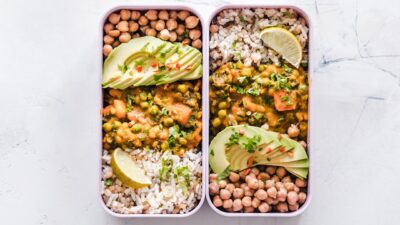
The best foods for prediabetes are non-starchy vegetables, legumes, intact whole grains, fatty fish, nuts and seeds, berries, extra-virgin olive oil, and plain Greek yogurt. They share three features: high fiber, quality protein, or healthy fat — the nutrient trio that slows glucose absorption and improves insulin sensitivity.
The Evidence-Based Foundation: A Mediterranean-Style Plate
The single eating pattern with the strongest evidence for preventing progression from prediabetes to type 2 diabetes is the Mediterranean diet. The landmark PREDIMED trial found a Mediterranean diet supplemented with olive oil or nuts reduced new-onset type 2 diabetes by about 40% compared with a low-fat control. The foods below are the pillars of that pattern — plus a few high-performers from broader research.
1. Non-Starchy Vegetables (Eat the Most)
Leafy greens (spinach, kale, arugula, chard), cruciferous vegetables (broccoli, cauliflower, Brussels sprouts, cabbage), and color-rich vegetables (bell peppers, zucchini, mushrooms, tomatoes, cucumbers) are nearly calorie-free and almost all fiber and water. You can eat them in unlimited portions.
Research consistently links higher green leafy vegetable intake — about 1.35 servings per day — with a roughly 14% lower type 2 diabetes risk.
2. Legumes (Beans, Lentils, Chickpeas)
Legumes are the rare food that is simultaneously a carb and a protein — and loaded with fiber. One cup of cooked lentils provides 18 grams of protein and 16 grams of fiber, with a glycemic index around 30 (half that of white rice).
A Canadian randomized trial found that adding 1 cup of legumes daily for 3 months lowered A1C by 0.48 percentage points and reduced blood pressure. Not bad for beans.
3. Intact Whole Grains
“Intact” is the key word. Steel-cut oats, quinoa, barley, farro, wheat berries, and brown rice retain their fiber-rich bran and germ, so they digest slowly. Ground whole-wheat flour and instant oats break down nearly as fast as white flour — same grain, different glucose response.
4. Fatty Fish
Salmon, sardines, mackerel, herring, and trout deliver long-chain omega-3 fatty acids (EPA and DHA) that reduce inflammation and are associated with better insulin sensitivity. The American Diabetes Association recommends fatty fish twice a week.
5. Nuts and Seeds
Almonds, walnuts, pistachios, pecans, chia seeds, flaxseeds, and pumpkin seeds pack protein, fiber, and unsaturated fat into a small portion. A 1-oz serving (a small handful) 4-5 times per week is associated with lower type 2 diabetes risk in large observational studies.
Chia and flax are particularly useful because their soluble fiber forms a gel in the gut, slowing glucose absorption from the rest of the meal.
6. Berries and Other Low-Glycemic Fruit
Strawberries, blueberries, raspberries, and blackberries have the best fiber-to-sugar ratio of any fruit. A full cup of strawberries has only 7 grams of net carbs. Cherries, apples, pears, and citrus are also solid choices.
7. Plain Greek Yogurt and Fermented Dairy
Plain, unsweetened Greek yogurt has about 17 grams of protein and 6 grams of carbs per 3/4 cup. Kefir and cottage cheese are similar. The fermentation process produces probiotics that may support gut microbiome diversity — increasingly linked to metabolic health.
8. Extra-Virgin Olive Oil and Avocado
Monounsaturated fat does two things for people with prediabetes: it slows stomach emptying so carbs absorb more gradually, and it modestly improves insulin sensitivity. Use olive oil as your primary cooking fat, drizzle on salads, and include 1/4 to 1/2 avocado a few times a week.
9. Eggs and Lean Poultry
Two eggs for breakfast instead of cereal is one of the easiest blood sugar wins you can make. Roasted chicken or turkey breast, without breading, is a clean protein that anchors lunches and dinners.
10. Herbs and Spices (Especially Cinnamon)
Cinnamon has shown modest blood sugar benefits in several small trials, likely at doses of 1-3 grams daily. Turmeric, ginger, garlic, and rosemary add flavor without sugar or salt and may have mild metabolic benefits.
Nutrition at a Glance: Top 10 Foods
| Food | Serving | Carbs | Fiber | Protein | Key benefit |
|---|---|---|---|---|---|
| Spinach (cooked) | 1 cup | 7 g | 4 g | 5 g | Low-glycemic, rich in magnesium |
| Lentils (cooked) | 1 cup | 40 g | 16 g | 18 g | Lowers A1C in trials |
| Steel-cut oats | 1/2 cup cooked | 27 g | 4 g | 5 g | Beta-glucan fiber |
| Salmon | 4 oz | 0 g | 0 g | 25 g | Omega-3 fatty acids |
| Almonds | 1 oz (23 nuts) | 6 g | 4 g | 6 g | Vitamin E, healthy fat |
| Blueberries | 1 cup | 21 g | 4 g | 1 g | Anthocyanin antioxidants |
| Greek yogurt (plain, 2%) | 3/4 cup | 6 g | 0 g | 17 g | Protein + probiotics |
| Avocado | 1/2 medium | 9 g | 7 g | 2 g | Monounsaturated fat |
| Eggs | 2 large | 1 g | 0 g | 12 g | High-quality protein |
| Chia seeds | 2 tbsp | 12 g | 10 g | 5 g | Soluble fiber gel |
How to Build a Plate in 30 Seconds
The CDC plate method removes the need to count anything. On a 9-inch plate:
- Half the plate = non-starchy vegetables
- One quarter = lean protein (fish, chicken, tofu, eggs, legumes)
- One quarter = intact whole grain or starchy vegetable (quinoa, sweet potato, beans)
- A thumb of unsaturated fat (olive oil, avocado, nuts)
- Water or unsweetened beverage
Pair with Knowing What to Avoid
A “best foods” list only works if you also cut back on the foods pulling your blood sugar in the wrong direction. See our companion article on the worst foods for prediabetes, and explore whether dietary change alone can shift your numbers enough to reverse prediabetes.
A Sample Day on Prediabetes-Friendly Foods
- Breakfast: 2 eggs scrambled with spinach and feta, 1 slice whole-grain sourdough, 1/2 cup berries.
- Snack: 3/4 cup plain Greek yogurt with 2 tbsp walnuts and cinnamon.
- Lunch: Large salad with mixed greens, chickpeas, cucumber, cherry tomatoes, 4 oz grilled chicken, olive oil and lemon dressing.
- Snack: 1 apple with 2 tbsp almond butter.
- Dinner: 5 oz baked salmon, 3/4 cup quinoa, roasted broccoli and bell peppers with olive oil.
This day delivers roughly 1,700 calories, 125 g protein, 35 g fiber, and 140 g carbohydrate spread across meals — a realistic target for most adults with prediabetes.
The Bottom Line
The best foods for prediabetes are the ones your great-grandparents would have recognized as food: vegetables, beans, whole grains, fish, eggs, nuts, berries, and olive oil. Eaten in the Mediterranean-style pattern confirmed by the strongest clinical evidence, they can measurably lower A1C, support weight loss, and cut your risk of progressing to type 2 diabetes. Talk with your doctor or a registered dietitian to tailor this pattern to your numbers and any medication you take.