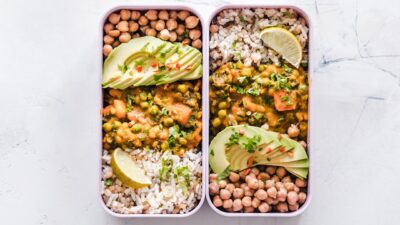
The worst foods for prediabetes are sugar-sweetened beverages, refined grains, pastries and other added-sugar desserts, processed meats, deep-fried foods, and most ultra-processed snack foods. These items push blood sugar up quickly, drive insulin resistance deeper, and make progression to type 2 diabetes more likely. Below is each category — why it matters and what to eat instead.
1. Sugar-Sweetened Beverages
If you change one thing today, change what you drink. Soda, sweet tea, energy drinks, sports drinks, flavored coffee drinks, and sweetened plant milks all deliver 30-80 grams of rapidly absorbed sugar with zero fiber to slow it down. A standard 20-oz Coca-Cola contains 65 grams of sugar — roughly the amount in five donuts, consumed in 90 seconds.
According to a meta-analysis highlighted by Harvard T.H. Chan School of Public Health, people who drink one or two sugary drinks per day have a 26% higher risk of developing type 2 diabetes than those who rarely drink them.
Swap: Water, sparkling water with lemon, unsweetened tea, or black coffee.
Fruit Juice Is Not a Health Drink
Orange juice and apple juice carry the same sugar load as soda, roughly 25 grams per 8 oz. The juicing process removes most of the fiber that makes whole fruit metabolically different. Eat the orange; skip the glass.
2. Refined Grains and White Flour Products
White bread, bagels, white rice, instant oatmeal, sugary cereal, crackers, and most pastries break down to glucose almost as fast as table sugar. The refining process strips the bran and germ — the fiber and nutrients that slow digestion.
A plain bagel has the glycemic impact of roughly 6 teaspoons of sugar. A bowl of Frosted Flakes raises blood sugar faster than a candy bar because the cereal is essentially pre-digested starch plus added sugar.
Swap: Intact whole grains (steel-cut oats, quinoa, barley, brown rice, farro), 100% whole-grain bread, chickpea or lentil pasta.
3. Pastries, Cookies, Candy, and Added-Sugar Desserts
Baked goods combine two problems: refined flour and added sugar, often with trans-like fats from shortening. A single store-bought muffin can contain 50+ grams of carbohydrate and 25+ grams of added sugar.
The 2020-2025 Dietary Guidelines for Americans cap added sugar at 10% of daily calories — about 50 grams on a 2,000-calorie diet. Most people with prediabetes do better well below that, closer to 25 grams or less per day.
Swap: Dark chocolate (70%+), berries with Greek yogurt, a small square of 85% cacao, or a handful of almonds with a date when you need something sweet.
4. Processed and Cured Meats
Bacon, sausage, hot dogs, deli meats, salami, and pepperoni do not contain much carbohydrate, so they do not spike blood sugar directly. The problem is different: heavy research links processed red meat with higher type 2 diabetes risk even after adjusting for weight and other factors. Nitrates, sodium, and compounds formed during curing appear to worsen insulin resistance.
One large Harvard cohort study found that each daily serving of processed red meat was associated with a 51% higher risk of developing type 2 diabetes.
Swap: Fresh roasted chicken or turkey, canned tuna or salmon, hard-boiled eggs, unprocessed lean cuts of beef eaten in moderation.
5. Deep-Fried Foods
French fries, fried chicken, onion rings, tempura, and donuts combine refined starch with repeatedly heated oils that generate advanced glycation end products (AGEs). AGEs have been linked to worsened insulin sensitivity and vascular inflammation — both already elevated in prediabetes.
Frequent consumption of fried food (4+ times per week) is associated with a 39% higher type 2 diabetes risk in large observational studies.
Swap: Air-fried or oven-roasted versions, or grilled and baked proteins with roasted vegetables.
6. Ultra-Processed Snack Foods
Chips, pretzels, cheese crackers, snack cakes, granola bars with added sugar, flavored popcorn, and “breakfast” pastries all fall in this bucket. A landmark 2019 NIH study found that people eating an ultra-processed diet consumed about 500 more calories per day than those eating an unprocessed diet of equal macronutrient composition — without feeling any more full. See the NIH summary of that trial.
Swap: Nuts, seeds, roasted edamame or chickpeas, fresh fruit, plain Greek yogurt, hard cheese, vegetables with hummus.
7. Sweetened Yogurts and Flavored Dairy
A 6-oz strawberry yogurt can contain 18-22 grams of added sugar — more than a chocolate chip cookie. Flavored coffee creamers, sweetened almond milk, and chocolate milk are similar traps.
Swap: Plain Greek yogurt with fresh berries and a sprinkle of cinnamon. Unsweetened almond, soy, or cow’s milk.
Blood Sugar Impact: Worst Offenders vs Smart Swaps
| Worst food | Typical serving | Carbs / added sugar | Better swap |
|---|---|---|---|
| Regular cola | 20 oz | 65 g / 65 g added sugar | Sparkling water with lime |
| Fruit juice | 12 oz | 38 g / 0 g added (all natural) | 1 whole orange + water |
| Plain bagel | 1 (4 oz) | 55 g / 6 g | 2 slices whole-grain sourdough |
| Sugary cereal | 1 cup | 30 g / 12 g | 1/2 cup steel-cut oats + berries |
| Blueberry muffin | 1 large | 60 g / 28 g | Greek yogurt + 1/2 cup blueberries |
| Strawberry yogurt | 6 oz | 32 g / 18 g | Plain Greek yogurt + fresh fruit |
| French fries (medium) | 4 oz | 48 g / 0 g added | Roasted sweet potato wedges |
| Snack crackers | 1 oz (30 crackers) | 22 g / 3 g | 1 oz almonds + apple slices |
What About Alcohol and “Natural” Sweeteners?
Sweet cocktails, beer, and dessert wines contribute added sugar and calories — covered in detail in our diet and nutrition guide. Honey, maple syrup, agave, and coconut sugar are often marketed as healthier, but your body metabolizes them as sugar. Keep all added sweeteners minimal.
How to Read a Label in 10 Seconds
Flip the package over. Look at two lines.
- Added sugars: aim for under 5 g per serving in anything you eat regularly.
- Fiber: look for at least 3 g per serving in grain products.
If the ingredient list is longer than your grocery receipt and you cannot pronounce half of it, it is probably ultra-processed. Put it back.
The Companion Article
Knowing what to avoid is half the battle. The other half is stocking your kitchen with foods that work with your metabolism — see our companion guide on the best foods for prediabetes.
The Bottom Line
The worst foods for prediabetes share three features: they are calorie-dense, low in fiber, and high in refined carbs or added sugar. Sugary drinks top the list, followed by refined grains, pastries, processed meats, fried foods, and ultra-processed snacks. You do not have to eliminate every one perfectly — but the fewer of them you eat, the more your blood sugar, weight, and A1C will improve. If you take glucose-lowering medication, talk with your doctor before making big dietary changes.