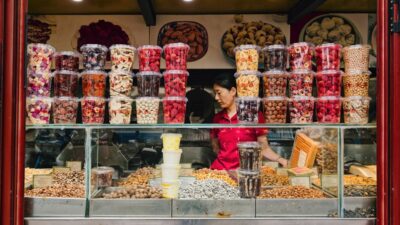
An Asian diet for diabetes — drawing from the broad culinary traditions of East, South, and Southeast Asia — is built around vegetables, fish and seafood, soy products, fermented foods, tea, and modest portions of rice or noodles. Modern Asian populations have higher diabetes risk at lower body weights than European populations, and the World Health Organization uses lower BMI thresholds (overweight at 23, obesity at 27.5) accordingly. The traditional foundations of Asian eating align well with diabetes nutrition; the friction points are mostly large rice servings, sweet sauces, deep frying, and sugary drinks like bubble tea.
Why Asian Cuisine Matters for Diabetes
Asian populations carry an elevated risk of type 2 diabetes at lower BMI thresholds than European-origin populations. South Asian, Chinese, Filipino, and Korean adults in particular develop diabetes at younger ages and lower body weights. The reasons involve genetics, body composition (more visceral fat at the same BMI), and increasingly the Westernization of diets — more sugar-sweetened beverages, refined snacks, fast food, and ultra-processed foods. Traditional Asian eating patterns, however, were often quite favorable for glucose control — high vegetable intake, fish over red meat, soy proteins, fermented foods, and tea. Returning toward those traditional patterns is a useful framework.
Common Diabetes-Friendly Asian Foods
- Fish and seafood: sashimi, steamed fish, grilled mackerel, shrimp, oysters — zero carbs, omega-3s.
- Soy foods: tofu, tempeh, edamame, miso, unsweetened soy milk — protein-rich, low-carb.
- Fermented foods: kimchi, miso, natto, fermented bean paste — supportive of gut health and modest glucose benefits.
- Vegetables: bok choy, gai lan (Chinese broccoli), Napa cabbage, mustard greens, daikon, mushrooms, water spinach, eggplant — high volume, low carb.
- Seaweed: nori, wakame, kombu, hijiki — minerals, fiber, near-zero carbs.
- Tea: green, oolong, black, jasmine, unsweetened — polyphenols, no carbs.
- Eggs: in many forms — boiled tea eggs, savory steamed egg, omelets.
- Lean meats and poultry: grilled, steamed, or stir-fried with modest oil.
Foods to Limit Across Asian Cuisines
| Food / Dish | Why Limit | Better Swap |
|---|---|---|
| Large white-rice portion (2+ cups) | 90+ g carbs, high GI | 1/2 to 1 cup basmati or brown rice |
| Fried rice (restaurant portion) | large carbs + added oil | Half portion with extra protein and vegetables |
| Sweet sauces (teriyaki, hoisin, sweet-and-sour) | 10–25 g sugar per serving | Soy sauce + ginger + garlic; rice vinegar |
| Tempura / fried spring rolls | Refined batter + frying | Steamed dumplings, summer rolls |
| Bubble tea / sweetened milk tea | 40–80 g sugar per cup, tapioca pearls | Unsweetened tea or with stevia |
| Sticky rice desserts (mango sticky rice) | 60–80 g carbs + coconut sugar | Fresh mango with chili-lime |
| Sweet pastries (bao with sugar paste, custard buns) | 30–50 g refined carbs + sugar | Savory steamed bao in small portion |
| Pad Thai / large noodle bowls | 80–120 g carbs with sugar | Smaller portion or zucchini-noodle pad Thai |
Glycemic Impact of Common Asian Dishes
| Dish (typical serving) | Carbs (g) | GI (approx.) | Diabetes Rating |
|---|---|---|---|
| Sashimi (8 pieces) | 0–2 | — | Excellent |
| Edamame (1 cup pods) | 10 | ~15 | Excellent |
| Miso soup (1 bowl) | 4–6 | Low | Excellent |
| Tofu stir-fry with vegetables | 10–15 | Low | Excellent |
| Pho (bowl, half noodles) | 30–45 | Moderate | Good |
| Kimchi (1/2 cup) | 3–4 | Low | Excellent |
| Bibimbap (1 bowl) | 60–80 | Moderate | Good (sub cauliflower rice) |
| Sushi roll (6 pieces, brown rice) | 30–40 | Moderate | Good |
| Stir-fried beef and broccoli | 15–25 | Moderate | Good |
| Pad Thai (typical) | 80–120 | High | Limit portion |
| General Tso’s chicken | 60–80 | High | Limit |
| Bubble tea (16 oz) | 60–90 | High | Avoid |
| Mango sticky rice | 70+ | High | Avoid |
The Rice Question
Rice is foundational across Asian cuisines, and you do not have to give it up. Key strategies:
- Choose basmati (GI 50 to 58) over jasmine or short-grain white (89 to 94)
- Use brown rice (GI 50 to 68) for higher fiber
- Keep portions to 1/2 to 1 cup cooked per meal
- Cool cooked rice overnight then reheat — resistant starch lowers GI 10 to 20 percent
- Mix 50/50 with cauliflower rice to cut carbs in half
- Pair with protein, vegetables, and vinegar (sushi vinegar, rice vinegar) to blunt the curve
The Soy Question
Soy is a useful diabetes food — protein-rich, low-carb, and broadly safe in normal dietary amounts. Tofu, tempeh, edamame, miso, and unsweetened soy milk all support stable glucose. Watch for sweetened soy milk (often 10 to 15 g sugar per cup), fried tofu in sweet sauces, and processed soy meat substitutes with added starches. Plain firm tofu and edamame are workhorses you can build many meals around.
The Bubble Tea Trap
Bubble tea (boba) is one of the most glucose-disruptive drinks in modern Asian eating. A standard 16-ounce bubble tea with milk, syrup, and tapioca pearls can contain 60 to 90 grams of carbs and 40 to 80 grams of added sugar — equivalent to one to two cans of soda plus extra starch from the pearls. Strategies: order unsweetened or stevia-sweetened tea, skip the pearls or substitute aloe or chia, request half-sweet at most, or treat as a rare occasion rather than a regular drink.
Sample 1-Day Asian Meal Plan
- Breakfast: Savory steamed egg with scallion, miso soup with tofu and wakame, side of kimchi, green tea. Carbs ~15 g.
- Lunch: Pho with extra bean sprouts, basil, lime; half the noodles, extra brisket or chicken; unsweetened jasmine tea. Carbs ~35 g.
- Snack: Edamame (1 cup pods) with sea salt. Carbs ~10 g.
- Dinner: Steamed fish with ginger and scallion, stir-fried gai lan with garlic, 1/2 cup brown rice, kimchi, oolong tea. Carbs ~30 g.
- Optional dessert: Fresh berries with a few squares of dark chocolate. Carbs ~12 g.
Total: roughly 100 g carbs distributed with high fiber and protein.
Restaurant Strategies
- Request brown rice or “half the rice” automatically
- Order steamed not fried — steamed fish, dumplings, vegetables
- Ask for sauce on the side and use sparingly
- Skip the appetizer fried rolls; add a vegetable side instead
- Choose pho or hot pot (broth + protein + vegetables) over thick-sauce dishes
- Decline the dessert in favor of fresh fruit if offered
- Drink unsweetened tea instead of bubble tea or soda
Cooking at Home
- Build a “stir-fry plate”: 2/3 vegetables, 1/3 protein, small rice portion, minimal sauce
- Cook a batch of basmati rice and cool overnight for resistant-starch benefit
- Keep miso, soy sauce, rice vinegar, ginger, garlic, and chili paste stocked for fast flavor
- Use kimchi, sauerkraut, or fermented vegetables as side dishes — pro-fermented, near-zero carbs
- Make broth-based soups (miso, hot and sour, pho-style) — filling with modest carbs
- Drink unsweetened green or oolong tea throughout the day
Related Reading
See our broader guides on diet and nutrition, the Chinese diet for diabetes, and the Japanese diet for diabetes.
The Bottom Line
An Asian diet for diabetes works well when built on traditional foundations — vegetables, fish, soy, fermented foods, tea, and measured rice or noodle portions. Limit large rice servings, sweet sauces, deep-fried items, bubble tea, and sugary desserts. Use the rice cooling trick to gain resistant starch. Specific sub-cuisines like Japanese and Vietnamese are particularly favorable; Westernized Chinese with cornstarch-thickened sweet sauces is the biggest pitfall. Across the board, the traditional Asian pattern is closer to a diabetes-friendly diet than most modern Western eating patterns.