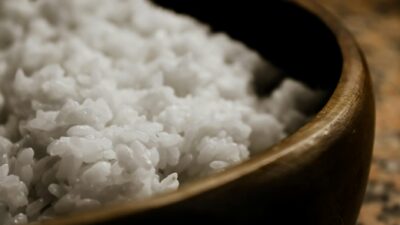
Brown rice has a reputation as the diabetes-friendly rice, and the reputation is partly earned but partly misleading. Compared with white rice, brown rice retains the bran and germ, providing more fiber, more B vitamins, more magnesium, and a slightly slower glucose response. The Harvard Brown Rice Cohort Study found that substituting brown for white rice was associated with a 16% lower type 2 diabetes risk. But brown rice is not a low-glycemic food — the GI of about 68 sits in the moderate-to-high range, and a typical half-cup serving still contains 22 grams of carbohydrate. For adults with established diabetes, brown rice works in modest portions paired with protein and vegetables; parboiled brown rice offers a lower-GI alternative; and substitutes like barley, quinoa, lentils, or cauliflower rice often beat any rice for tight glucose control.
Nutrition Profile
| Rice type (½ cup cooked) | Calories | Carbs (g) | Fiber (g) | Protein (g) | Glycemic Index |
|---|---|---|---|---|---|
| Brown rice, long-grain | 110 | 22 | 2 | 2.5 | ~68 |
| Brown rice, short-grain | 108 | 22 | 2 | 2.5 | ~68 |
| Brown basmati rice | 108 | 22 | 2 | 2.5 | ~50 |
| Brown jasmine rice | 108 | 22 | 2 | 2.5 | ~68 |
| Parboiled brown rice | 108 | 22 | 1.5 | 2.5 | ~50 |
| White rice, long-grain | 103 | 22 | 0.5 | 2 | ~73 |
| Sushi rice (cooked) | 120 | 26 | 0.5 | 2 | ~80 |
| Brown rice cooked then cooled | 110 | 22 | 2.5 | 2.5 | ~55 |
Glycemic Impact
Brown rice produces a real glucose response. CGM users typically see peaks 40 to 70 mg/dL above baseline with a half-cup cooked serving eaten alone. The glucose response is meaningfully smaller than white rice but still substantial. Pairing with protein, fat, and non-starchy vegetables reduces the peak considerably. Cooling cooked brown rice in the refrigerator and reheating modestly increases resistant starch content, lowering the glycemic response by 5 to 10 GI points.
Brown vs White — The Real Difference
- Glycemic index: brown 68, white 73 — modest 5-point difference.
- Fiber: brown 2 g vs white 0.5 g per half cup.
- Magnesium: brown 42 mg vs white 8 mg per half cup.
- B vitamins (thiamine, niacin, B6): higher in brown.
- Carbohydrate: essentially identical (22 g per half cup).
- Calories: nearly identical.
- The Harvard cohort study found 16% lower T2D risk substituting brown for white — but absolute risk differences are small.
- For glucose control, the bigger win is portion control and pairing — rice color matters less than rice amount.
The Parboiled Advantage
- Parboiled rice is steamed under pressure before milling.
- The process drives nutrients from the bran into the kernel and creates more compact starch structure.
- Glycemic index drops to about 50 — substantially lower than regular brown rice (68).
- Texture is firmer; cooking is similar to regular long-grain rice.
- Brown basmati parboiled is a useful diabetes-friendly option in mainstream stores.
- Converted white rice (Uncle Ben’s) uses the same process and has a GI around 38 to 50.
Cohort Study Evidence
- Sun et al. (Archives of Internal Medicine, 2010): pooled data from Nurses’ Health Study I and II and Health Professionals Follow-up Study.
- Substituting 1 serving per day of brown rice for white rice associated with 16% lower type 2 diabetes risk.
- Five or more servings per week of white rice was associated with 17% higher risk compared with less than 1 per month.
- The benefit of brown rice was modest but consistent across cohorts.
- Observational; randomized trials show similar but smaller effects.
Cooling and Resistant Starch
- Cooking and then cooling cooked rice in the refrigerator creates resistant starch.
- Resistant starch is digested in the small intestine more slowly than regular starch and behaves more like fiber.
- Cooled-then-reheated brown rice has a glycemic index 5 to 10 points lower than freshly cooked.
- Useful for meal-prep approaches where rice is cooked Sunday and reheated through the week.
- The effect is modest but cumulative across daily meals.
- Refrigeration for at least 12 hours produces the resistant starch effect.
Cooking Methods
- Stovetop: 1 part rice to 2.25 parts water; simmer 35 to 45 minutes; rest 10 minutes.
- Rice cooker: use the brown rice setting; takes about 50 to 60 minutes.
- Pressure cooker (Instant Pot): high pressure for 22 minutes; natural release 10 minutes — fastest method.
- Pasta method: cook in plenty of water like pasta, then drain; reduces glycemic index slightly.
- Batch cook and refrigerate: makes resistant starch and saves time across the week.
Brown Rice vs Other Carbohydrate Sides
| Side (½ cup cooked) | Carbs (g) | Fiber (g) | Glycemic Index |
|---|---|---|---|
| Brown rice | 22 | 2 | ~68 |
| White rice | 22 | 0.5 | ~73 |
| Parboiled brown rice | 22 | 1.5 | ~50 |
| Quinoa | 20 | 3 | ~53 |
| Pearled barley | 22 | 3 | ~28 |
| Lentils | 20 | 8 | ~28 |
| Whole-wheat pasta | 22 | 3 | ~42 |
| Cauliflower rice | 3 | 2 | negligible |
Pairing Strategies
- Half cup brown rice + grilled chicken + steamed broccoli — balanced plate.
- Brown rice bowl with beans, vegetables, and avocado — Mexican-style.
- Brown rice in stir-fries with chicken or tofu and vegetables — substitute for white rice.
- Brown basmati rice with chicken curry and yogurt sauce.
- Brown rice salad with vegetables, herbs, and olive oil — cold, with resistant starch benefit.
- 50/50 mix of brown rice and cauliflower rice — reduces total carbohydrate by half.
Who Should Be Careful
- People on insulin with tight glucose targets — brown rice still raises glucose meaningfully; consider barley, quinoa, or cauliflower rice alternatives.
- People with arsenic concerns — brown rice contains modestly higher inorganic arsenic than white rice (the bran accumulates it); rinse before cooking; vary grain choices.
- People with chronic kidney disease — moderate phosphorus content; rinse before cooking helps reduce.
- People with gastroparesis — high-fiber grains can worsen symptoms.
- People with celiac disease — brown rice is naturally gluten-free; check labels for cross-contamination.
The Arsenic Question
- Rice plants take up arsenic from soil more than most grains.
- Brown rice retains more arsenic than white rice because the bran concentrates it.
- FDA monitors arsenic levels in commercial rice; levels are generally low.
- To reduce arsenic exposure: rinse rice thoroughly, cook in excess water (pasta method) then drain, vary grain sources (don’t rely solely on rice).
- For most adults, modest brown rice consumption is well within safe limits.
- Infants and toddlers eating rice cereal daily are the most concern; adults eating brown rice 3 to 5 times per week are not at meaningful risk.
Practical Patterns That Work
- Default to parboiled brown rice or brown basmati for lower glycemic impact.
- Batch-cook on Sunday and refrigerate for resistant starch benefit.
- Use ½-cup cooked portions; mix 50/50 with cauliflower rice to halve carbs.
- Pair with non-starchy vegetables, lean protein, and healthy fat.
- Consider barley, quinoa, or lentils as lower-GI alternatives 2 to 3 times per week.
- Rinse rice before cooking to reduce arsenic and surface starch.
The Bottom Line
Brown rice is better than white rice for diabetes meal planning but is not a low-glycemic food. A half-cup cooked serving contains 22 grams of carbohydrate, 2 grams of fiber, and produces a glycemic index of about 68. The Harvard Brown Rice Cohort Study found a 16% lower type 2 diabetes risk substituting brown for white rice over years of consumption. Parboiled brown rice (brown basmati or converted varieties) has a lower glycemic index (~50) and is a useful diabetes-friendly alternative. Cooking and cooling brown rice produces resistant starch that further lowers the glycemic response. The most diabetes-friendly approach is modest portions (½ cup cooked) paired with protein and non-starchy vegetables — and considering lower-GI alternatives like barley, quinoa, or lentils for tight glucose control. The arsenic concern is real but well-managed by rinsing, varying grains, and avoiding daily rice as the sole grain. For adults with type 2 diabetes who enjoy rice, brown rice 2 to 3 times per week in measured portions fits comfortably into a meal plan. See our broader diabetes diet guide for the framework on grain choices.