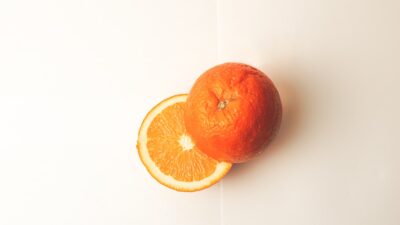
Clementines are diabetes-friendly small snack fruits. One clementine (about 74 g) contains just 8-9 g carbohydrate with 1 g fiber (net 7 g) and 35 calories. Glycemic index around 45 — moderate. Clementines provide high vitamin C (40% DV per fruit), folate, vitamin A, and modest fiber. Smaller and slightly sweeter than other mandarins. Very thin easy-peel skin; often seedless. Convenient for snacks, lunchboxes, kids’ snacks. For diabetes meal planning, 1-2 clementines fit as snack or fruit serving. The small portable size supports portion control — but easy to overeat if you keep peeling. Sold in 3-pound nets in supermarkets (“Cuties,” “Halos” brands). How clementines differ from other mandarins: smaller than tangerines and most mandarins, very thin skin (easiest to peel), usually seedless (or 1-2 small seeds), sweet mild flavor, bright orange color, originated in North Africa (Algeria), now grown in California/Spain/Morocco. Compared with: tangerines (slightly larger, deeper color, more pronounced flavor), satsumas (very easy peel, less sweet, Japanese), regular mandarins (variable sizes), sumo/dekopon (very large). For diabetes, all similar nutrition per gram. Clementines’ small size makes single-fruit serving easier — but multiple add up. Cuties and Halos are popular U.S. brand names — branded marketing to children but nutritionally identical to other clementines; bag format encourages overconsumption; pre-portion consciously. Diabetes-friendly applications: single clementine snack with handful of nuts, on plain Greek yogurt with cinnamon and almonds, lunch box with cheese stick, salad with clementine sections and mixed greens and goat cheese and walnuts, Asian-style chicken salad with cabbage and sesame, cottage cheese parfait, smoothie with protein powder, trail mix component, garnish for grilled fish or chicken, Mediterranean salad with feta and mint, sliced in iced tea (unsweetened), frozen segments as cold snack. Watch: easy to eat 3-4 in a row from the net — measure portions consciously.
Clementine Nutrition Profile
| Nutrient (1 clementine, 74 g) | Amount | % DV |
|---|---|---|
| Calories | 35 | — |
| Carbohydrate | 9 g | — |
| Fiber | 1 g | 4% |
| Net carbs | 7 g | — |
| Protein | 0.6 g | — |
| Vitamin C | 36 mg | 40% |
| Vitamin A | 132 IU | 3% |
| Folate | 18 mcg | 5% |
| Potassium | 131 mg | 3% |
Portion Considerations
- 1 clementine = 9 g carb — modest portion.
- 2 clementines = 18 g carb — moderate.
- 3 clementines = 27 g carb — substantial.
- 5 clementines from typical “couple at a time” eating = 45 g carb — too much for most adults with diabetes at one sitting.
- The small size encourages mindless eating from the net.
- Pre-portion into single-serving containers.
- Pair with protein/fat to slow absorption.
- 1-2 clementines per snack with nuts or cheese is appropriate.
Diabetes-Friendly Applications
- Single clementine snack with handful of nuts (almonds, walnuts).
- On plain Greek yogurt with cinnamon and almonds.
- Lunch box with cheese stick and vegetables.
- Salad with clementine sections, mixed greens, goat cheese, walnuts, vinaigrette.
- Asian-style chicken salad with clementine, cabbage, sesame seeds.
- Cottage cheese parfait with clementine sections and cinnamon.
- Smoothie with protein powder, spinach, almond milk, 1 clementine.
- Trail mix component (nuts + small dark chocolate + 1 clementine).
- Garnish for grilled fish or chicken.
- Mediterranean salad with clementine, feta, mint, olive oil.
- Sliced in iced tea (unsweetened).
- Frozen segments as cold snack.
- Salad with clementine, grilled shrimp, avocado.
Clementines vs Other Citrus
| Citrus | Size | Carbs (per fruit) | Peel Ease |
|---|---|---|---|
| Clementine | Small (75 g) | 9 g | Very easy |
| Mandarin | Small-medium (88 g) | 11 g | Easy |
| Tangerine | Small (76 g) | 9 g | Easy |
| Satsuma | Small-medium | 10 g | Very easy |
| Sumo/Dekopon | Very large | 15-20 g | Very easy |
| Tangelo | Medium-large | 13-15 g | Moderate |
| Orange (regular) | Medium | 15 g | Moderate |
The Bottom Line
Clementines are diabetes-friendly small snack fruits. One clementine (about 74 g) contains just 8-9 g carbohydrate with 1 g fiber (net 7 g) and 35 calories. Glycemic index around 45 — moderate. Clementines provide high vitamin C (40% DV per fruit), folate, vitamin A, and modest fiber. Smaller and slightly sweeter than other mandarins. Very thin easy-peel skin; often seedless. Convenient for snacks, lunchboxes, kids’ snacks. For diabetes meal planning, 1-2 clementines fit as snack or fruit serving. The small portable size supports portion control — but easy to overeat if you keep peeling. Sold in 3-pound nets in supermarkets (“Cuties,” “Halos” brands). How clementines differ from other mandarins: smaller than tangerines and most mandarins, very thin skin (easiest to peel), usually seedless, sweet mild flavor, bright orange color, originated in North Africa (Algeria). Cuties and Halos are popular U.S. brand names — marketing-focused but nutritionally identical to other clementines; bag format encourages overconsumption; pre-portion consciously. Portion considerations: 1 clementine 9 g carb, 2 clementines 18 g, 3 clementines 27 g, 5 clementines 45 g (too much for most adults at one sitting). Pre-portion into single-serving containers; pair with protein/fat to slow absorption; 1-2 clementines per snack with nuts or cheese is appropriate. Diabetes-friendly applications: single clementine snack with almonds or walnuts, on plain Greek yogurt with cinnamon, lunch box with cheese stick and vegetables, salad with clementine sections and mixed greens with goat cheese and walnuts, Asian-style chicken salad with cabbage, cottage cheese parfait, smoothie with protein powder, trail mix component, garnish for grilled fish or chicken, Mediterranean salad with feta and mint, sliced in iced tea (unsweetened), frozen segments as cold snack. Watch: easy to eat 3-4 in a row from the net — measure portions consciously; clementines marketed to children but adults overeat too. For adults with type 2 diabetes, clementines are ideal small portable snack fruit — easier portion control than larger oranges, but multiple add up quickly. Pair with protein consistently. See our broader diabetes diet guide for context.