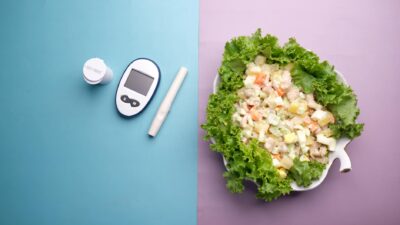
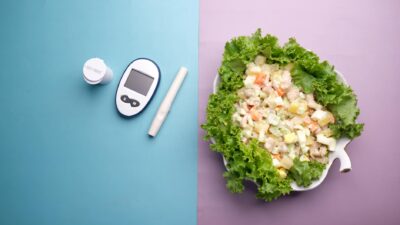
The best diabetic dinner ideas follow a simple pattern: fill half your plate with non-starchy vegetables, a quarter with lean protein, and a quarter with a slow-digesting carb, then add a small amount of healthy fat. That structure supports stable post-meal blood sugar without the hassle of counting every gram.
The Diabetic Plate Method at a Glance
Developed by the American Diabetes Association, the plate method uses a 9-inch plate and visual portions instead of calorie counting.
| Plate Section | Examples |
|---|---|
| 1/2 plate: non-starchy vegetables | Broccoli, spinach, peppers, zucchini, cauliflower, asparagus, green beans |
| 1/4 plate: lean protein | Chicken, fish, tofu, eggs, turkey, lean beef, shrimp, beans |
| 1/4 plate: slow carbs | Quinoa, brown rice, sweet potato, whole-grain pasta, lentils, barley |
| Add: healthy fat | Olive oil, avocado, nuts, seeds |
| Drink | Water or unsweetened beverage |
25 Dinner Ideas That Fit the Plate
Chicken and Turkey
- Grilled lemon-herb chicken with roasted Brussels sprouts and quinoa
- Sheet-pan chicken thighs, broccoli, and red peppers with olive oil
- Ground turkey lettuce wraps with cabbage slaw and a side of brown rice
- Chicken stir-fry with bok choy, mushrooms, and cauliflower rice
- Turkey and white-bean chili topped with avocado and Greek yogurt
Fish and Seafood
- Baked salmon with asparagus and 1/2 cup wild rice
- Cod tacos on low-carb tortillas with cabbage, lime, and avocado
- Garlic shrimp over zucchini noodles with a small side of lentils
- Seared tuna with sesame green beans and a quarter cup of quinoa
- Tilapia piccata with wilted spinach and roasted cauliflower
Beef, Pork, and Lamb
- Lean steak, roasted mushrooms, and a side salad with olive oil dressing
- Pork tenderloin with apple-cabbage slaw and 1/2 cup barley
- Beef and broccoli with low-sodium tamari and cauliflower rice
- Stuffed bell peppers with lean ground beef, quinoa, and tomato
- Sheet-pan sausage (chicken or turkey), fennel, and zucchini
Plant-Forward
- Lentil soup with kale, carrots, and a side salad with feta
- Chickpea curry with cauliflower and 1/3 cup brown basmati rice
- Tofu stir-fry with snap peas, peppers, and ginger-sesame sauce
- Black-bean bowls with grilled zucchini, salsa, and avocado
- Spaghetti squash with marinara, turkey meatballs, and parmesan
One-Pan and Soup Nights
- Chicken and vegetable soup with a slice of sourdough
- Minestrone with beans, kale, and a small serving of whole-grain pasta
- Beef and vegetable stew with celeriac instead of potato
- Thai coconut chicken soup with mushrooms and bok choy
- Egg-and-vegetable frittata with a side salad — breakfast for dinner
Smart Swaps That Lower the Carb Load
Many traditional dinners become diabetic-friendly with small substitutions that preserve flavor but cut refined carbs.
| Classic Ingredient | Lower-Impact Swap |
|---|---|
| White rice | Cauliflower rice, brown rice, or half-and-half blend |
| Mashed potato | Mashed cauliflower or celeriac |
| Spaghetti | Zucchini noodles, chickpea pasta, or spaghetti squash |
| Tortilla wrap | Low-carb tortilla or lettuce wrap |
| Breadcrumbs | Almond flour or crushed pork rinds |
| Sugary teriyaki sauce | Tamari + rice vinegar + a touch of stevia |
Pairing Strategies That Flatten Glucose
How you combine foods matters nearly as much as what you eat. Three patterns reliably blunt post-dinner peaks:
- Protein first. Eating protein and vegetables before carbs slows glucose rise.
- Add vinegar or lemon. A vinaigrette salad or lemon-dressed vegetables modestly reduces post-meal glucose in small trials.
- Include fiber. 10+ grams per meal from vegetables, beans, or whole grains extends digestion.
A short walk within 30 minutes of eating compounds the effect. See our diet and nutrition hub for more food-order strategies.
What About Dessert?
Dessert is not off-limits, but it is easiest to manage when treated as a rare, planned portion rather than a daily habit. A few approaches:
- Greek yogurt with berries and crushed nuts
- Dark chocolate (70%+), 1-2 small squares
- Chia pudding made with unsweetened almond milk and a few berries
- Baked apple with cinnamon and a spoonful of walnut butter
If you want a higher-carb dessert, keep the dinner itself lower in carbs so total meal carbs stay on target.
Planning and Batch-Cooking Tips
Dinner decisions get easier with a small amount of weekly prep. Try:
- Roast two sheet pans of vegetables on Sunday for use across three dinners.
- Cook a pot of lentils or quinoa to portion into meals.
- Keep frozen vegetables, canned beans, and rotisserie chicken as quick staples.
- Pre-slice vegetables for stir-fries so weeknights take 15 minutes.
- Maintain a short list of 4-5 go-to dinners your household actually enjoys.
According to CDC nutrition guidance, consistency — not novelty — is what drives long-term blood sugar improvements.
Dining Out With Diabetes
Restaurant portions complicate the plate method, but a few habits help:
- Ask for vegetables instead of rice or fries as a side swap.
- Box half the entree before you start eating.
- Start with a salad dressed with olive oil and vinegar.
- Pick grilled, baked, or roasted proteins over breaded or fried.
- Skip sugary drinks and bread baskets.
When to Adjust Portions
Everyone responds differently to foods. If your post-meal glucose runs high after certain dinners, reduce the carb portion by 25% and retest. If low after others, you may have room to add more carbs. Learn more about A1C and daily glucose to understand the trade-offs.
The Bottom Line
Great diabetic dinners are more about structure than restriction. Half a plate of vegetables, a quarter of lean protein, a quarter of slow carbs, and a splash of healthy fat — repeated in countless variations — keep blood sugar steady without turning dinner into a math problem. Pair it with a short after-meal walk, learn how your own body responds to different foods, and discuss your targets with your clinician or a registered dietitian to refine the plan over time.