Diabetic-friendly meals combine lean protein, high-fiber carbohydrates, non-starchy vegetables, and healthy fats to support steadier blood sugar. Using the Diabetes Plate Method — half vegetables, a quarter protein, a quarter starch — makes balanced eating simple without carb counting. Below are 20 easy meal ideas for breakfast, lunch, dinner, and snacks.
What Makes a Meal Diabetic-Friendly
There is no universal “diabetes diet.” Instead, a few principles apply across most eating patterns. Each meal should include:
- A lean or plant-based protein (eggs, fish, poultry, tofu, beans).
- Non-starchy vegetables to fill at least half the plate.
- High-fiber carbohydrates (whole grains, legumes, starchy vegetables) in modest portions.
- A small serving of healthy fat (olive oil, avocado, nuts, seeds).
- Water or unsweetened drinks instead of juice or soda.
For a more in-depth look at foods and nutrients, explore our diet and nutrition hub.
The Diabetes Plate Method
| Plate Section | What Goes There | Examples |
|---|---|---|
| 1/2 plate | Non-starchy vegetables | Spinach, broccoli, peppers, mushrooms |
| 1/4 plate | Lean protein | Chicken, fish, tofu, eggs, beans |
| 1/4 plate | High-fiber carbs | Brown rice, quinoa, sweet potato, lentils |
| Side | Fruit or dairy (optional) | Berries, apple, plain yogurt |
| Drink | Unsweetened | Water, sparkling water, tea |
According to the American Diabetes Association, this visual tool may help meal planning without detailed tracking.
5 Diabetic-Friendly Breakfasts
- Greek yogurt parfait. 3/4 cup plain Greek yogurt, 1/2 cup berries, 2 tablespoons chopped walnuts, cinnamon.
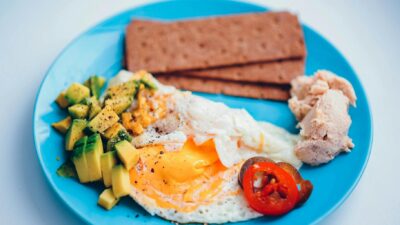
- Veggie omelet with avocado toast. 2 eggs cooked with spinach and peppers; 1 slice whole-grain toast topped with 1/4 avocado.
- Overnight oats. 1/2 cup oats, 1 cup unsweetened almond milk, 1 tablespoon chia seeds, 1/2 cup berries.
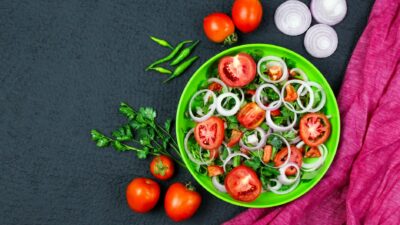
- Cottage cheese bowl. 3/4 cup low-fat cottage cheese, sliced cucumber and tomato, flax seeds, olive oil drizzle.
- Whole-grain breakfast wrap. Scrambled eggs, black beans, salsa, and a sprinkle of cheese in a whole-grain tortilla.
5 Diabetic-Friendly Lunches
- Mediterranean chicken bowl. Grilled chicken, cucumbers, tomatoes, olives, feta, 1/4 cup quinoa, olive oil and lemon.
- Tuna salad lettuce wraps. Tuna mixed with Greek yogurt, celery, and mustard, served in romaine leaves with a side of grapes.
- Lentil soup and salad. 1 cup lentil soup with a side of mixed greens, cherry tomatoes, pumpkin seeds, and vinaigrette.
- Turkey and avocado whole-grain sandwich. Sliced turkey, avocado, lettuce, tomato on whole-grain bread with a side of baby carrots.
- Chickpea and tuna salad. Canned tuna, chickpeas, red onion, parsley, olive oil and lemon on a bed of spinach.
5 Diabetic-Friendly Dinners
- Baked salmon and roasted vegetables. 4-5 oz salmon, roasted broccoli and carrots, 1/3 cup wild rice.
- Sheet-pan chicken fajitas. Chicken strips, peppers, and onions; served with a small whole-grain tortilla or over cauliflower rice.
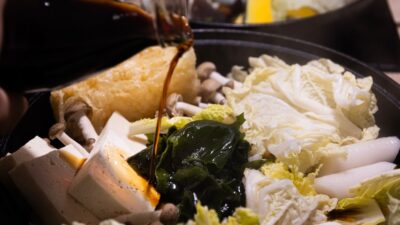
- Beef stir-fry. Lean beef with broccoli, snow peas, and mushrooms in a low-sodium soy-ginger sauce over 1/2 cup brown rice.
- Tofu and veggie curry. Baked tofu, cauliflower, spinach, and tomatoes in a light coconut curry, served with 1/3 cup basmati rice.
- Turkey chili. Ground turkey, kidney beans, tomatoes, bell peppers, and spices, topped with plain Greek yogurt and fresh cilantro.
5 Diabetic-Friendly Snacks
- Apple slices with 1 tablespoon natural peanut butter.
- A handful of mixed nuts and a small pear.
- Hard-boiled eggs with cherry tomatoes.
- Plain Greek yogurt with 1/2 cup berries.
- Hummus with cucumber and bell pepper strips.
Tips to Make Any Meal More Diabetic-Friendly
- Swap refined grains for whole grains or legumes.
- Add a protein source to carb-heavy meals.
- Start meals with vegetables or salad, which may blunt post-meal glucose rises.
- Dress with olive oil and lemon instead of creamy, sugary dressings.
- Limit fried foods; choose baked, grilled, or sautéed.
- Replace sugar-sweetened drinks with water, sparkling water, or unsweetened tea.
- Walk for 10-15 minutes after larger meals when possible.
Portion Cheat Sheet
| Food | Reasonable Portion |
|---|---|
| Cooked grains (rice, quinoa, pasta) | 1/3 – 1/2 cup |
| Starchy vegetables (potato, corn, peas) | 1/2 cup |
| Cooked beans or lentils | 1/2 – 1 cup |
| Lean protein | 3-4 oz (palm size) |
| Non-starchy vegetables | Unlimited – at least 2 cups |
| Fruit | 1 small piece or 1/2 cup berries |
| Nuts | 1 oz (small handful) |
Weekly Meal Prep Ideas
- Batch-cook 1 grain (quinoa, brown rice) and 1 protein (chicken breasts, lentils) on Sunday.
- Roast a large tray of vegetables to mix and match through the week.
- Wash and chop fresh vegetables for fast lunch assembly.
- Portion snacks into small containers so they are grab-and-go.
- Keep canned tuna, beans, frozen vegetables, and eggs on hand for quick balanced meals.
When to Get Personalized Guidance
General meal ideas work for many people, but individualized needs vary — especially if you use insulin or certain oral medications, have kidney disease, are pregnant, or are working on weight change. A registered dietitian or certified diabetes care and education specialist can tailor portions and carbohydrate targets. For background on how eating fits into overall care, see our treatment guide.
The CDC offers free printable meal planning resources as well.
The Bottom Line
Diabetic-friendly meals are less about strict rules and more about consistent balance — protein, fiber, vegetables, and healthy fats on most plates. Using the Diabetes Plate Method, swapping refined grains for whole, and batching a few basics each week can make better blood sugar feel effortless. If you need a personalized plan, especially alongside medications, work with your healthcare team.