Does popcorn spike blood sugar? Plain air-popped popcorn causes only a modest rise in most people because it is a high-fiber whole grain with a glycemic index in the mid-50s. Butter, caramel, cheese dust, and oversized movie-theater servings are what typically turn popcorn into a glucose problem, not the corn kernel itself.
The Basics: Popcorn Is a Whole Grain
Corn kernels contain all three parts of the grain — bran, germ, and endosperm — which is why popcorn counts as a whole grain. A 3-cup serving of air-popped popcorn (about 24 grams) provides roughly 93 calories, 19 grams of carbohydrate, 3 grams of fiber, and 3 grams of protein, according to the USDA FoodData Central. That fiber slows digestion and modestly blunts the glucose curve compared with refined snacks like pretzels or white crackers.
For context, whole grains are consistently associated with lower risk of type 2 diabetes and cardiovascular disease in large observational studies. That does not make popcorn a health food at every portion, but it does place plain popcorn in the “friendlier snack” category for people with prediabetes.
Glycemic Index and Glycemic Load
The glycemic index (GI) ranks carbohydrate foods by how fast they raise blood glucose compared to pure glucose. The glycemic load (GL) adjusts GI for realistic portion size. Popcorn has a GI around 55 to 65 — borderline between low and moderate — but because a typical serving is small, the GL per 3-cup portion is only about 6, which is considered low.
| Snack (typical portion) | Carbs (g) | Fiber (g) | Glycemic Load (approx.) |
|---|---|---|---|
| Air-popped popcorn, 3 cups | 19 | 3 | 6 (low) |
| Pretzels, 1 oz | 22 | 1 | 16 (high) |
| Potato chips, 1 oz | 15 | 1 | 11 (moderate) |
| Whole-grain crackers, 5 pcs | 18 | 3 | 8 (low) |
| Kettle corn, 1 oz | 25 | 2 | 14 (moderate-high) |
| Caramel popcorn, 1 oz | 30 | 1 | 17 (high) |
The table shows why it is the preparation, not the popcorn, that usually drives a spike. Caramel coating roughly triples the glycemic load of the same volume of popped corn.
When Popcorn Does Raise Blood Sugar
Several real-world patterns tip popcorn from friendly to problematic:
- Oversized portions. A large movie-theater popcorn can run 15 to 20 cups — five to seven times a standard serving — which pushes carbs above 90 grams.
- Sugary coatings. Kettle corn and caramel corn add 10 to 20 grams of sugar per cup.
- Heavy butter or oil. Fat itself does not raise glucose acutely, but it adds calories and may slow insulin sensitivity after very high-fat meals.
- Pairing with sugary drinks. A soda alongside popcorn often delivers more sugar than the popcorn itself.
- Grazing mindlessly. Popcorn is light by weight, so a loose handful approach can sneak in 40 to 50 grams of carbohydrate over a movie.
Smart Ways to Enjoy Popcorn
If you love popcorn, you can almost certainly keep it. Try these prediabetes-friendly tweaks:
- Air-pop your own using a stovetop pan with a teaspoon of olive or avocado oil, or an air popper.
- Pre-portion 3 to 4 cups into a bowl rather than eating from the bag.
- Add savory flavor with nutritional yeast, smoked paprika, garlic powder, or grated parmesan instead of sugar-laden mixes.
- Pair with protein like a small handful of almonds, a boiled egg, or a cheese stick to slow digestion.
- Skip sugary beverages — water, seltzer, or unsweetened tea keep the snack carb-neutral.
Popcorn in a Broader Prediabetes Plan
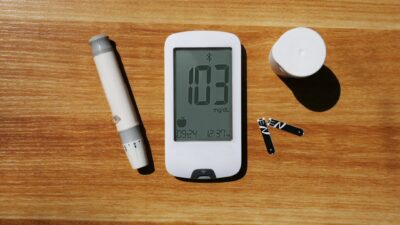
Popcorn can fit nicely into the kind of balanced eating pattern described in our diet and nutrition hub, especially for people who want a low-calorie evening snack that is not ultraprocessed. If you use a glucose meter or continuous glucose monitor, check how your body responds after a measured 3-cup portion before making it a daily habit.
The Bottom Line
Plain air-popped popcorn is one of the more forgiving snacks for people watching blood sugar. It is a whole grain, it is high in fiber by volume, and a typical serving carries a low glycemic load. What turns it into a spike is the sugar, butter, and oversized portions common in commercial versions. Measure your serving, favor simple seasonings, and pair with a little protein to keep popcorn on the friendly side.
Medical Disclaimer: This article is for informational purposes only and does not constitute medical advice. Always consult a qualified healthcare professional about any medical condition, device, or treatment plan.