Does watermelon spike blood sugar? Yes, somewhat — but less than most people fear. Watermelon has a high glycemic index (around 72), yet its high water content keeps its glycemic load low (just 4–8 per serving). In practical terms, a 1-cup portion is a modest, diabetes-friendly snack, especially paired with protein or a handful of nuts.
Watermelon Nutrition Breakdown
According to USDA FoodData Central, a 1-cup serving (about 152 g) of diced watermelon contains:
| Nutrient | Amount |
|---|---|
| Calories | 46 |
| Carbohydrate | 11.5 g |
| Sugars | 9.4 g |
| Fiber | 0.6 g |
| Protein | 0.9 g |
| Water | ~92% |
| Vitamin C | 12 mg |
| Lycopene | 6.9 mg |
Glycemic Index vs. Glycemic Load
Per the Harvard T.H. Chan School of Public Health, watermelon’s GI is about 72 (high), but its GL per serving is only 4–8 (low). GI alone overstates the impact because it ignores how much of the food you actually eat.
| Food | GI | GL per serving |
|---|---|---|
| Watermelon (1 cup) | 72 | ~5 |
| White bread (2 slices) | 75 | ~20 |
| Banana (medium) | 51 | ~13 |
| Apple (medium) | 36 | ~6 |
| Strawberries (1 cup) | 40 | ~3 |
How Watermelon Affects Blood Sugar
Watermelon’s sugars (fructose, glucose, sucrose) are absorbed relatively fast because of the low fiber. Glucose rises within 20–40 minutes of eating and usually peaks within an hour. In people with prediabetes, a 1-cup serving typically raises glucose 15–30 mg/dL; a 3-cup bowl can raise it 40–70 mg/dL.
Why Portion Size Matters So Much
The water content makes watermelon feel light, which encourages oversized servings. Three cups of watermelon carries about 33 g of carbs — the same as a slice of birthday cake by carb count, minus the fat and refined flour.
Smart Ways to Eat Watermelon
Keep Portions to 1–1.5 Cups
This keeps carb load under 15 g, which most adults with prediabetes handle well.
Pair With Protein or Fat
- Watermelon + feta cheese (classic Mediterranean combo)
- Watermelon cubes with cottage cheese
- Watermelon on a salad with grilled chicken
- Watermelon with a handful of almonds or pistachios
- Watermelon dipped in Greek yogurt
Eat After a Meal, Not as a Meal
Watermelon as dessert after a protein-forward lunch spikes less than watermelon alone on an empty stomach. Adding watermelon to an existing meal blunts the glycemic response.
Skip Watermelon Juice
Juicing removes most of the water buffer and concentrates sugar. A cup of watermelon juice can contain 20+ g of carbs and spikes like regular fruit juice.
Move After Eating
A 10–15 minute walk within 30 minutes lowers the peak. This applies to most carb-containing foods.
Potential Benefits Beyond Glucose
Watermelon is more than carbs:
- Lycopene: A powerful antioxidant linked to cardiovascular and prostate health.
- Citrulline: An amino acid that supports blood flow and may modestly reduce blood pressure.
- Hydration: 92% water, useful during heat or after exercise.
- Low calorie density: Filling per calorie, helpful for weight management.
Post-Workout Timing
After exercise, insulin sensitivity increases and muscles absorb glucose more efficiently. Watermelon is a reasonable post-workout snack, particularly paired with a protein source like Greek yogurt.
When Watermelon Is a Poor Choice
- Large bowls eaten alone between meals
- Watermelon juice or smoothies with added fruit
- Alongside other high-carb foods (rice, bread) in the same meal
- Close to bedtime, when insulin sensitivity drops
Testing Your Personal Response
Responses vary. One person sees a 20 mg/dL rise with 1 cup; another sees 50. Check with a glucose meter:
- Fast for 2 hours.
- Test baseline.
- Eat the watermelon.
- Re-test at 60 and 120 minutes.
- Aim for a rise under 40 mg/dL.
Personal data beats food-list generalizations every time.
Fruit Choices for a Prediabetes Diet
The ADA encourages whole-fruit intake as part of balanced eating. Good rotations:
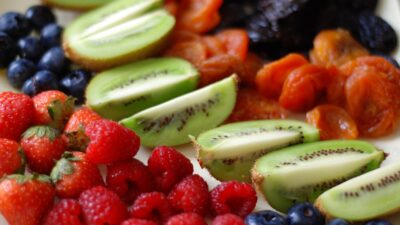
- Berries — lowest impact, highest antioxidants
- Apples, pears — high fiber
- Citrus — vitamin C, fiber
- Kiwi — fiber and vitamin C
- Cherries — low GI, polyphenols
Watermelon fits as a seasonal treat, ideally in smaller portions with a protein or fat partner. Our diet and nutrition hub goes deeper on fruit selection, and our is prediabetes reversible guide covers how dietary choices roll up to A1C.
The Bottom Line
Watermelon does spike blood sugar, but the spike is small at typical serving sizes thanks to its high water content. One cup with a protein or fat pair, plus a walk, fits comfortably in a prediabetes plan. Oversized bowls or juiced watermelon are where problems start. Enjoy it in season, portion sensibly, and track your numbers to see how your body specifically responds.
This article is educational and not a substitute for personalized medical advice. Always consult your healthcare provider about symptoms, testing, and treatment.