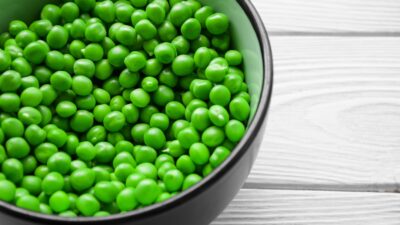
Green beans are one of the easiest, most affordable diabetes-friendly vegetables. A 1-cup cooked serving contains only 10 grams of carbohydrate with 4 grams of fiber (net 6 g) and 2 grams of protein. The glycemic impact is essentially zero. Green beans are botanically the immature pods of the common bean plant — the same species as kidney, pinto, and navy beans, but harvested before seeds mature. They function nutritionally as non-starchy vegetables. Fresh, frozen, and low-sodium canned all work for diabetes meal planning. Green beans cook in 5-10 minutes, pair with virtually any meal, and substitute well for higher-carb starchy sides. The main consideration is preparation — traditional green bean casserole adds substantial sodium and fat, while plain steamed or sautéed green beans preserve the favorable profile.
Nutrition Profile
| Green beans form (1 cup) | Calories | Carbs (g) | Fiber (g) | Protein (g) | Sodium (mg) |
|---|---|---|---|---|---|
| Fresh cooked plain | 44 | 10 | 4 | 2 | 4 |
| Frozen plain cooked | 40 | 9 | 4 | 2 | 5 |
| Canned regular sodium | 40 | 9 | 4 | 2 | 355 |
| Canned low-sodium | 40 | 9 | 4 | 2 | 50 |
| Sautéed in olive oil | 75 | 10 | 4 | 2 | 10 |
| Green bean casserole (1 cup) | 250 | 20 | 3 | 5 | 1,000 |
| Almondine (with almonds) | 140 | 12 | 5 | 4 | 15 |
Cooking Methods
- Steamed: 5-7 minutes; preserves texture and nutrients.
- Sautéed: with olive oil and garlic; 8-10 minutes.
- Roasted: 400°F for 15-20 minutes with olive oil; deeper flavor.
- Blanched: 3-4 minutes; bright color; for salads.
- Grilled: in a grill basket; 5-7 minutes.
- Stir-fried: high heat with garlic and oil; 4-5 minutes.
- Almondine: sautéed with slivered almonds, butter, lemon.
Pairing Strategies
- Sautéed green beans with garlic, lemon, and parmesan alongside grilled chicken.
- Roasted green beans with olive oil and herbs as a versatile side.
- Green beans almondine — French-style with toasted almonds.
- Stir-fried green beans with garlic, ginger, sesame oil.
- Green beans in three-bean salad with kidney and garbanzo beans.
- Niçoise salad with green beans, tuna, eggs, olives.
- Green bean and tomato salad with feta.
Vitamin and Mineral Profile
| Nutrient (1 cup cooked) | Amount | % Daily Value |
|---|---|---|
| Vitamin K | 50 mcg | 42% |
| Vitamin C | 12 mg | 13% |
| Folate | 42 mcg | 11% |
| Manganese | 0.4 mg | 17% |
| Vitamin A | 835 IU | 17% |
| Iron | 1.2 mg | 7% |
| Magnesium | 30 mg | 7% |
Storage and Selection
- Fresh green beans: select bright green, firm beans without brown spots; snap easily when bent.
- Refrigerate fresh in plastic bag with air vents; use within 5-7 days.
- Frozen: keep in freezer up to 12 months without quality loss.
- Canned: shelf life 2-3 years; rinse before use to reduce sodium.
- Trim ends before cooking (some prefer to leave the curly stem end).
- French-style green beans (haricots verts) are thinner, more tender; cook faster.
- Yellow wax beans are a color variant with identical nutrition profile.
Who Should Be Careful
- People on warfarin — moderate vitamin K; maintain consistent intake.
- People watching sodium tightly — choose fresh, frozen, or low-sodium canned.
- People with kidney disease — modest potassium; usually fine in normal portions.
- People with severe IBS — green beans contain some FODMAPs that may trigger symptoms.
The Bottom Line
Green beans are among the easiest, most affordable, and most universally diabetes-friendly vegetables. A 1-cup cooked serving provides 10 g carbohydrate with 4 g fiber (net 6 g), 2 g protein, and essentially zero glycemic impact. Fresh, frozen, and low-sodium canned all work — choose by convenience and availability. Cook quickly by steaming, sautéing, roasting, or stir-frying. The main consideration is preparation — traditional green bean casserole adds substantial sodium (1,000 mg per cup) and fat from canned soup and fried onions. Plain green beans with olive oil and garlic are simpler and far better for diabetes. For adults with type 2 diabetes, green beans pair with virtually any meal as a low-carb non-starchy vegetable that substitutes well for starchy sides. They contribute meaningful vitamin K, vitamin C, and folate alongside the fiber. See our broader diabetes diet guide for vegetable selection.