How to lower blood sugar without insulin usually starts with three levers you already control: food, movement, and sleep — supported when needed by non-insulin prescription medications such as metformin, GLP-1 receptor agonists, or SGLT2 inhibitors. For most people with prediabetes and many with early type 2 diabetes, these tools are the first-line approach before insulin is ever discussed.
Why Insulin Is Not the Only Option
Insulin is the hormone that moves glucose from blood into cells. In type 1 diabetes the pancreas cannot make it, so insulin injections are required. In type 2 diabetes and prediabetes, the pancreas still produces insulin, but cells respond to it poorly — a state called insulin resistance. Addressing the resistance itself can lower glucose without adding more insulin.
The American Diabetes Association Standards of Care emphasize lifestyle change as foundational for every stage of type 2 diabetes, with non-insulin medications added based on A1C, weight, cardiovascular risk, and kidney function. Insulin is typically reserved for situations where other tools cannot reach glucose targets.
Food Choices That Blunt Blood Sugar
What you eat — and how you combine foods — shapes post-meal glucose more than any single ingredient. A practical framework:
- Fill half the plate with non-starchy vegetables like leafy greens, broccoli, peppers, and zucchini.
- Add a palm of lean protein — fish, chicken, tofu, eggs, Greek yogurt, or legumes.
- Choose intact carbohydrates such as oats, quinoa, beans, barley, or sweet potato rather than refined flour products.
- Include healthy fat from olive oil, avocado, nuts, or seeds to slow gastric emptying.
- Reserve sweetened drinks and fruit juice for rare occasions, since liquid sugars spike glucose fastest.
Our full diet and nutrition hub walks through swaps, portion guides, and sample menus tailored to prediabetes.
Movement: The Fastest Non-Medication Tool
Muscle contraction pulls glucose out of the blood through GLUT4 transporters — a pathway that does not require insulin. That is why a short walk after eating can measurably blunt a post-meal glucose rise. Aim for a mix of:
- Post-meal walks of 10 to 20 minutes within 30 minutes of finishing a meal.
- Aerobic activity such as cycling, swimming, or jogging — at least 150 minutes per week at moderate intensity.
- Resistance training two or more days per week, which grows muscle mass and improves insulin sensitivity for 24 to 48 hours after each session.
Sleep, Stress, and Weight
Short or fragmented sleep raises cortisol and morning glucose even in people without diabetes. Aiming for seven to nine hours, limiting late alcohol, and keeping a consistent wake time can meaningfully improve fasting numbers. Chronic stress drives similar hormonal patterns, so breathing practices, walking outdoors, or therapy can help indirectly. Losing 5 to 7 percent of body weight — the Diabetes Prevention Program target — is associated with a 58 percent reduction in progression from prediabetes to type 2 diabetes.
Non-Insulin Medications Overview
| Drug Class | Examples | How It Works | Common Use |
|---|---|---|---|
| Biguanide | Metformin | Reduces liver glucose output, improves insulin sensitivity | First-line in type 2 diabetes and high-risk prediabetes |
| GLP-1 receptor agonists | Semaglutide, liraglutide, dulaglutide | Slow gastric emptying, increase insulin release when glucose is high, reduce appetite | Type 2 diabetes with weight or cardiovascular concerns |
| SGLT2 inhibitors | Empagliflozin, dapagliflozin | Excrete excess glucose in urine | Type 2 diabetes with heart failure or kidney disease |
| DPP-4 inhibitors | Sitagliptin, linagliptin | Prolong incretin hormone activity | Type 2 diabetes when weight-neutral oral option preferred |
| Thiazolidinediones | Pioglitazone | Improve insulin sensitivity in muscle and fat | Selected type 2 diabetes cases |
Only a licensed prescriber can recommend which medication — if any — fits your situation. This table is educational, not a prescription.
When Insulin Still Matters
Some situations genuinely require insulin: type 1 diabetes, severe hyperglycemia at diagnosis, pregnancy when oral agents are not appropriate, and advanced type 2 diabetes where other medications cannot maintain target glucose. If you already use insulin, never stop or reduce a dose without your clinician’s guidance, because abrupt changes can cause dangerously high glucose or diabetic ketoacidosis.
Tracking Progress
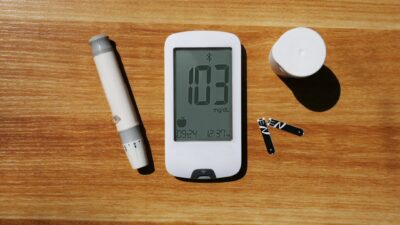
Pair lifestyle effort with objective data. A home glucose meter or continuous glucose monitor shows day-to-day patterns, while a quarterly A1C test captures the 3-month trend. Keeping a simple log of meals, steps, and weekly averages helps you and your clinician decide whether to adjust the plan.
The Bottom Line
Lowering blood sugar without insulin is the default first strategy for prediabetes and most early type 2 diabetes, and it is built on small consistent habits: balanced plates, post-meal walks, strength training, sleep, and stress management. Non-insulin medications add another layer when lifestyle alone does not reach goal. Work with your care team to set personalized targets and retest every 3 to 6 months.
Medical Disclaimer: This article is for informational purposes only and does not constitute medical advice. Always consult a qualified healthcare professional about any medical condition, device, or treatment plan.