Yes, oatmeal is one of the best breakfast options for people with diabetes or prediabetes. Its secret weapon is beta-glucan, a type of soluble fiber that slows glucose absorption and helps control post-meal blood sugar spikes. However, not all oatmeal is created equal — the type you choose and how you prepare it makes a significant difference.
Why Oatmeal Works for Blood Sugar
Oats contain 4 grams of fiber per half-cup serving (dry), including a unique soluble fiber called beta-glucan. When beta-glucan dissolves in your digestive system, it forms a thick gel that slows the rate at which food moves through your stomach and small intestine. This means glucose enters your bloodstream more gradually, producing a smaller, more manageable blood sugar rise.
A meta-analysis published in Nutrients found that regular oat consumption reduced fasting glucose by an average of 9 mg/dL and A1C by 0.42% in people with type 2 diabetes. Beta-glucan also helps lower LDL cholesterol — a bonus since people with diabetes or prediabetes are at higher cardiovascular risk.
Oatmeal Types Compared: GI and Nutrition
The way oats are processed determines how quickly they raise blood sugar. Less processing means more intact grain structure, slower digestion, and a lower glycemic index.
| Oat Type | Glycemic Index | Processing Level | Cook Time | Blood Sugar Impact |
|---|---|---|---|---|
| Steel-cut (Irish) oats | 42 (low) | Minimal — whole groat cut into pieces | 20-30 min | Lowest — slow, steady rise |
| Rolled (old-fashioned) oats | 55 (medium) | Moderate — steamed and flattened | 5-10 min | Moderate — good choice |
| Quick oats | 65 (medium-high) | More processed — cut smaller, rolled thinner | 1-3 min | Higher — breaks down faster |
| Instant plain oats | 75 (high) | Highly processed — pre-cooked, dried | Just add water | High — similar to white bread |
| Instant flavored packets | 75-83 (high) | Highly processed + added sugar | Just add water | Highest — sugar + fast absorption |
Best choice: Steel-cut oats for the lowest blood sugar impact. Good choice: Rolled oats — a solid middle ground between nutrition and convenience. Avoid: Flavored instant packets, which can contain 12-15 grams of added sugar per serving.
What to Add to Your Oatmeal
The toppings you choose can either improve or undermine oatmeal’s blood sugar benefits. The goal is to add protein, healthy fats, and fiber while avoiding added sugars.
Good Additions
- Nuts: Walnuts, almonds, or pecans add protein, healthy fats, and crunch. A tablespoon or two is enough.
- Seeds: Chia seeds, flaxseeds, or hemp hearts boost fiber and omega-3 content.
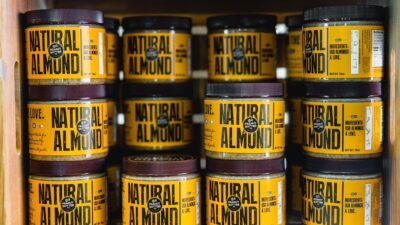
- Nut butter: A tablespoon of natural peanut or almond butter adds protein and healthy fat.
- Fresh berries: Blueberries, strawberries, or raspberries are low-GI fruits that add sweetness and antioxidants. A quarter cup is a good portion.
- Cinnamon: Adds flavor without sugar and may have modest blood sugar benefits.
- Greek yogurt: A dollop adds protein and creaminess.
- Protein powder: Unflavored or vanilla protein powder can turn oatmeal into a high-protein meal.
What to Avoid
- Sugar, brown sugar, or maple syrup: Adds 12-16 grams of sugar per tablespoon, negating the blood sugar benefits.
- Honey: Often perceived as healthy, but it raises blood sugar just as much as table sugar.
- Flavored instant packets: Pre-sweetened with 10-15 grams of added sugar.
- Dried fruit (raisins, cranberries): Concentrated sugar and higher GI than fresh fruit. If using, limit to a teaspoon.
- Excessive toppings: Even healthy toppings add up. Keep total carbs for the meal around 30-45 grams.
Sample Blood-Sugar-Friendly Oatmeal Bowl
Here’s a template for an oatmeal bowl that balances carbs, protein, and fat:
- 1/2 cup dry steel-cut or rolled oats (27g carbs, 5g protein, 4g fiber)
- 1 tablespoon natural almond butter (3g carbs, 3.5g protein, 9g fat)
- 1/4 cup fresh blueberries (5g carbs, 1g fiber)
- 1 tablespoon chopped walnuts (1g carbs, 2g protein, 5g fat)
- Dash of cinnamon
Total: Approximately 36g carbs, 10g protein, 14g fat, 5g fiber. This balanced profile produces a slow, steady blood sugar rise rather than a sharp spike.
Overnight Oats: A Convenient Option
Overnight oats — made by soaking rolled oats in milk or yogurt in the refrigerator — are an excellent option for busy mornings. The cold soaking process may slightly increase resistant starch content, and the preparation lends itself naturally to adding protein-rich ingredients.
A simple recipe: 1/2 cup rolled oats + 1/2 cup unsweetened almond milk + 1/4 cup plain Greek yogurt + 1 tablespoon chia seeds. Refrigerate overnight. Top with fresh berries and nuts in the morning. This provides a high-protein, high-fiber breakfast ready to eat.
How Oatmeal Fits Into a Prediabetes Diet
Oatmeal is a strong breakfast foundation, but it works best as part of an overall blood-sugar-friendly eating pattern. If you currently eat sweetened cereal, pastries, or skip breakfast entirely, switching to properly prepared oatmeal is one of the most impactful single changes you can make.
Monitor how different oat types affect your blood sugar if you have a glucose meter. Some people find that even steel-cut oats raise their glucose more than expected, in which case reducing the portion to 1/3 cup dry and increasing the protein topping can help.
The Bottom Line
Oatmeal is an excellent breakfast choice for people with diabetes or prediabetes — but the type matters. Choose steel-cut or rolled oats over instant varieties, top with nuts, seeds, and fresh berries instead of sugar, and keep portions to about 1/2 cup dry. Prepared this way, oatmeal delivers steady energy, meaningful fiber (including blood-sugar-lowering beta-glucan), and a solid nutritional foundation. It’s one of the simplest dietary swaps that can make a real difference in your daily blood sugar management.
For authoritative reference, consult the CDC healthy eating for diabetes.