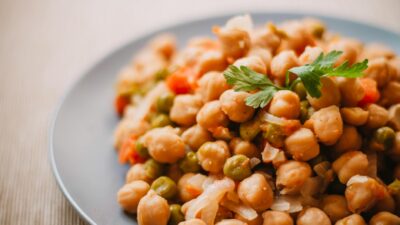
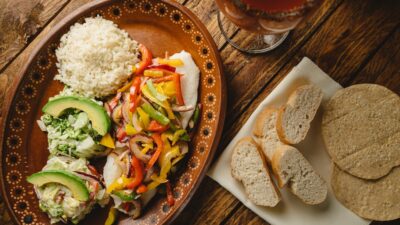
Lebanese cuisine is among the most diabetes-friendly world cuisines, sharing the Mediterranean foundation. Strengths include olive oil-centric cooking, abundant vegetables (tomatoes, cucumbers, peppers, eggplant, leafy greens), legumes (chickpeas, lentils, fava beans, white beans), fish and seafood, lean grilled meats, dairy (yogurt, labneh, halloumi), fresh herbs (mint, parsley, dill, sumac, za’atar), and mezze tradition of small plates. Challenges include pita bread, rice pilaf, baklava, knafeh, and other sweet pastries. With portion attention to bread, rice, and desserts, Lebanese cuisine excellently supports diabetes management. Most diabetes-friendly Lebanese dishes: tabouleh (parsley salad with bulgur small amount, tomato, mint, lemon), hummus (chickpea-tahini dip), baba ghanoush (eggplant dip), fattoush (vegetable salad with crispy pita — limit pita crumbles), shish taouk (grilled chicken skewers), lamb kebabs, kibbeh (modified — limit fried, prefer baked), mujadara (lentils and rice — use less rice), sayadieh (fish with rice — small rice portion), loubia bzeit (green beans in olive oil), foul mudammas (fava beans), labneh with za’atar and olive oil, grilled vegetables with tahini sauce. Meal structure: mezze approach (4-6 small mezze vegetable-heavy plus 1-2 protein meze), limit pita to half-pita per meal, generous tabouleh and fattoush, skip rice or limit to ½ cup, choose grilled over fried, yogurt-based sauces, Lebanese coffee unsweetened. Limit: baklava (30+ g carb per piece), knafeh, maamoul cookies, large pita portions, arak (anise-flavored alcohol).
Diabetes-Friendly Lebanese Dishes
| Dish | Carbs (g) | Notes |
|---|---|---|
| Tabouleh (1 cup) | 15 | Bulgur + parsley + tomato; minimize bulgur |
| Hummus (¼ cup) | 10 | Chickpea-tahini dip |
| Baba ghanoush (¼ cup) | 5 | Eggplant dip |
| Fattoush (1 cup) | 10 | Vegetable salad; limit pita crumbles |
| Shish taouk (4 oz) | 2 | Grilled chicken; lean protein |
| Lamb kebab (4 oz) | 2 | Grilled lamb |
| Baked kibbeh (1 piece) | 15 | Bulgur-and-meat; baked vs fried |
| Mujadara (½ cup, modified) | 20 | Lentils + small rice portion |
| Loubia bzeit (1 cup) | 15 | Green beans in olive oil |
| Foul mudammas (½ cup) | 15 | Fava beans |
| Labneh (¼ cup) | 3 | Strained yogurt; high protein |
| Pita (half 6-inch) | 15 | Half pita; whole-wheat preferred |
Mezze Strategy
- Order 4-6 small mezze plates instead of large entrée.
- Vegetable-heavy choices: tabouleh, fattoush, baba ghanoush, vegetable salads.
- Protein mezze: hummus, kibbeh, kafta (small portion).
- Avoid fried mezze.
- Share bread basket; limit individual portions.
- Combine mezze with grilled protein for complete meal.
- Eat slowly; mezze culture supports satiety.
- Yogurt-based sauces (labneh, tzatziki) instead of sweet.
Lebanese Herbs and Seasonings
- Za’atar — thyme-sesame-sumac blend; signature Lebanese seasoning.
- Sumac — tangy red spice with antioxidants.
- Mint — fresh; in tabouleh, drinks, salads.
- Parsley — abundant in tabouleh; vitamin K.
- Cumin and coriander.
- Garlic — generously used.
- Lemon — bright acidity.
- Tahini (sesame paste) — base of hummus and dressings.
- Olive oil — generous use.
- All add flavor without sugar.
What to Limit
- Large pita portions (use half or skip).
- Rice pilaf (riz bil shariyya) in large amounts.
- Baklava — 30+ g carb per piece; share or skip.
- Knafeh (cheese-filled pastry with syrup).
- Maamoul (date/nut-filled cookies).
- Atayef (Ramadan dumplings with syrup).
- Mahalabia milk pudding (check sweetener).
- Sweet teas with sugar.
- Arak in large amounts.
- Lebanese coffee with sugar.
- Large manakeesh portions.
Diabetes-Friendly Adaptations
- Tabouleh: less bulgur (or none), more parsley and tomato.
- Hummus: pair with vegetables (cucumber, carrots) instead of pita.
- Baba ghanoush: same vegetable pairing strategy.
- Shawarma: lettuce wrap instead of pita.
- Mujadara: minimize rice; maximize lentils and onions.
- Rice dishes: substitute cauliflower rice when possible.
- Kibbeh: choose baked over fried.
- Falafel: limit fried portions; baked preferred.
- Sauces: tahini-yogurt-based; no sweet sauces.
The Bottom Line
Lebanese cuisine is among the most diabetes-friendly world cuisines, sharing the Mediterranean foundation. Strengths include olive oil-centric cooking, abundant vegetables, legumes (chickpeas, lentils, fava beans, white beans), fish and seafood, lean grilled meats, dairy (yogurt, labneh, halloumi), fresh herbs (mint, parsley, dill, sumac, za’atar), and mezze tradition. Challenges include pita bread, rice pilaf, baklava, knafeh. Most diabetes-friendly dishes: tabouleh, hummus, baba ghanoush, fattoush, shish taouk, lamb kebabs, baked kibbeh, mujadara (modified), loubia bzeit (green beans in olive oil), foul mudammas (fava beans), labneh, grilled vegetables with tahini sauce. Mezze strategy: order 4-6 small plates instead of large entrée; vegetable-heavy choices; share bread basket; combine mezze with grilled protein for complete meal. Lebanese herbs and seasonings: za’atar (thyme-sesame-sumac blend — signature), sumac, mint, parsley, cumin, coriander, garlic, lemon, tahini, olive oil — all add flavor without sugar. Sumac and za’atar are antioxidant-rich. Limit: large pita portions, rice pilaf, baklava (30+ g carb per piece), knafeh, maamoul, atayef, sweet teas, arak in large amounts. Adaptations: tabouleh with less bulgur, hummus with vegetables instead of pita, shawarma in lettuce wrap, mujadara with less rice, kibbeh baked over fried, falafel limit fried portions, sauces tahini-yogurt-based. For adults with type 2 diabetes from Lebanese backgrounds or trying Lebanese cuisine, the cuisine exceptionally supports diabetes management — mezze tradition exemplifies sustainable portion control with variety. See our broader Mediterranean diet guide for the foundational framework.