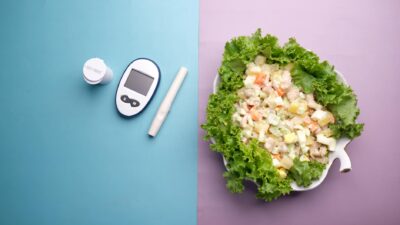
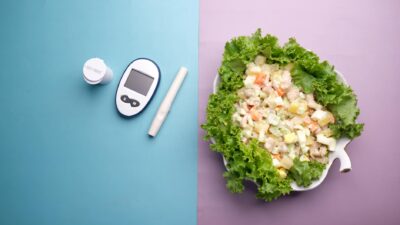
A low-carb meal plan for diabetes typically cuts daily carbohydrate to 50 to 130 grams, emphasizing non-starchy vegetables, protein, healthy fats, and a smaller amount of high-fiber carbs. This 7-day sample menu targets about 75 to 100 grams of total carbs per day. Most people who take insulin or a sulfonylurea will need medication adjustments before cutting carbs, so review the plan with your clinician before starting.
What “Low-Carb” Actually Means
Researchers use the following general categories:
| Category | Total carbs/day | Percent of calories |
|---|---|---|
| Very-low-carb (ketogenic) | Under 50 g | 5-10% |
| Low-carb | 50-100 g | 10-26% |
| Moderate-carb | 100-150 g | 26-40% |
| Standard plate method | 150-200 g | 40-50% |
This 7-day plan lands in the low-carb tier. Our diet and nutrition hub has more context on choosing a carb range.
Foods on the Plan
Build the plate from:
- Non-starchy vegetables: leafy greens, broccoli, cauliflower, zucchini, peppers, asparagus, mushrooms, tomatoes.
- Protein: eggs, poultry, fish, beef, pork, tofu, tempeh, cottage cheese, Greek yogurt.
- Healthy fats: olive oil, avocado, nuts, seeds, nut butters.
- Limited carbs: berries, beans and lentils in small portions, small sweet potato, winter squash, legume-based pastas.
Limit: white bread, white rice, pasta, sugary drinks, pastries, flavored yogurts, dried fruit, fruit juice, and most cereals.
Day-by-Day Sample Menu
Day 1 (~85 g carbs)
- Breakfast: 2-egg mushroom-spinach omelet with avocado (6 g).
- Lunch: Chicken Cobb salad with bacon, blue cheese, cherry tomatoes, egg, olive oil-vinegar dressing (10 g).
- Snack: Plain Greek yogurt with 1/4 cup blueberries and 10 walnuts (14 g).
- Dinner: Baked salmon with roasted Brussels sprouts and 1/2 cup lentils (30 g).
- Optional dessert: 1 square dark chocolate (85%) and 8 strawberries (15 g).
Day 2 (~80 g)
- Breakfast: Chia pudding (2 tbsp chia + 1 cup unsweetened almond milk + 1/4 cup raspberries + 1 tbsp almond butter) (14 g).
- Lunch: Turkey lettuce wraps with hummus (2 tbsp), cucumber, red pepper (12 g).
- Snack: Cheese stick + 10 almonds (3 g).
- Dinner: Beef stir-fry with broccoli, peppers, cauliflower rice (1 cup) (16 g).
- Evening: Greek yogurt with cinnamon and 1 tbsp pecans (8 g).
Day 3 (~90 g)
- Breakfast: Cottage cheese bowl with cucumber, tomato, olive oil, 5 olives (8 g).
- Lunch: Tuna-avocado salad in butter lettuce cups + 1/4 cup chickpeas on the side (16 g).
- Snack: Hard-boiled egg + 1 small apple (18 g).
- Dinner: Chicken Parmesan (almond-flour crust) over spaghetti squash (20 g).
- Evening: 1/2 cup berries with whipped cream (8 g).
Day 4 (~75 g)
- Breakfast: Scrambled eggs with cheese + 2 turkey breakfast sausage links + sauteed spinach (4 g).
- Lunch: Chicken Caesar salad (no croutons) with grated Parmesan (10 g).
- Snack: Celery with 2 tbsp peanut butter (8 g).
- Dinner: Shrimp fajita bowl: peppers, onions, shrimp, salsa, guacamole, 1/2 cup black beans (28 g).
- Evening: Sliced cucumber with tzatziki (4 g).
Day 5 (~95 g)
- Breakfast: Protein smoothie: 1 scoop whey, 1 cup unsweetened almond milk, 1/2 cup strawberries, 1 tbsp chia, 1 tbsp peanut butter (18 g).
- Lunch: Zucchini-noodle bowl with pesto, grilled chicken, pine nuts, cherry tomatoes (12 g).
- Snack: 1/3 cup edamame in pod (7 g).
- Dinner: Pork tenderloin with roasted cauliflower and 1/2 cup wild rice (22 g).
- Evening: Greek yogurt with 1/4 cup raspberries (9 g).
Day 6 (~70 g)
- Breakfast: Veggie frittata (eggs, bell peppers, onions, feta) (6 g).
- Lunch: Chicken thigh and mixed greens with goat cheese, walnuts, raspberry vinaigrette (10 g).
- Snack: 1/4 cup guacamole with bell pepper strips (8 g).
- Dinner: Cod baked in parchment with zucchini, lemon, olive oil + 1/2 cup quinoa (25 g).
- Evening: 2 squares dark chocolate + a few almonds (8 g).
Day 7 (~90 g)
- Breakfast: Greek yogurt parfait: 3/4 cup yogurt + 1/2 cup blueberries + 2 tbsp chopped pecans + cinnamon (20 g).
- Lunch: Bunless burger with cheddar, avocado, tomato, onion; side salad (8 g).
- Snack: 2 tbsp hummus with cucumber rounds (8 g).
- Dinner: Turkey-stuffed peppers with cauliflower rice and marinara (22 g).
- Evening: Herbal tea + 1 oz 85% dark chocolate (10 g).
Macro and Calorie Targets
For most adults on a low-carb diabetes plan, a reasonable target is:
- Carbs: 75 to 100 g per day total (20 to 30 g per meal, 5 to 15 g per snack).
- Protein: 0.6 to 0.8 g per pound of body weight (enough to protect lean mass).
- Fat: the remainder, emphasizing monounsaturated and omega-3 sources.
- Fiber: 25 to 35 g per day from vegetables, nuts, seeds, and small portions of legumes or berries.
Medication and Monitoring
Dropping carbs can rapidly lower insulin needs. If you take insulin, sulfonylureas (glipizide, glyburide), or meglitinides, talk with your clinician about preemptive dose reductions. SGLT2 inhibitors carry a small risk of diabetic ketoacidosis on very low-carb plans; discuss this before combining them. For more about medication categories, see our treatment hub.
According to the American Diabetes Association, low-carb eating is one of several evidence-based approaches for managing diabetes.
Side Effects to Expect (and Manage)
- Low-carb flu: headache, fatigue, or lightheadedness in the first 1 to 2 weeks as the body shifts fuel sources. Extra water, sodium, and potassium often help.
- Constipation: more common if fiber drops. Keep non-starchy vegetables high and add chia or flaxseed.
- Muscle cramps: magnesium and sodium can help.
- Hypoglycemia: mostly in people on insulin or sulfonylureas if doses are not reduced.
- Elevated LDL cholesterol: some people see LDL rise on high-saturated-fat low-carb diets; lipid panel at 3 months is wise.
Who Might Benefit Most
Low-carb plans often help people with type 2 diabetes who have elevated post-meal glucose, are trying to lose weight, or want to reduce medication use. They can also help some adults with type 1 diabetes who want tighter post-meal control, though medical supervision is important. Pregnancy, a history of eating disorders, and advanced kidney disease are situations where low-carb deserves careful discussion with your clinician.
Shopping List Staples
- Eggs, Greek yogurt, cottage cheese, hard cheeses.
- Chicken, turkey, salmon, sardines, shrimp, lean beef.
- Olive oil, avocado oil, grass-fed butter, avocados.
- Almonds, walnuts, chia seeds, flax seeds.
- Spinach, kale, broccoli, cauliflower, zucchini, bell peppers.
- Berries, lemons, limes, small apples.
- Lentils, chickpeas, black beans (in small portions).
- Almond flour, coconut flour, and unsweetened almond or soy milk.
Tracking Your Results
Consider tracking fasting glucose daily, post-meal glucose at 1 and 2 hours a few times a week, weight weekly, and A1C at 3 months. A 0.5 to 1.5 percentage point A1C drop at 3 months is common when a low-carb plan is followed consistently. Keep a food log for the first 2 to 4 weeks to stay honest about portions and hidden carbs.
The Bottom Line
A low-carb meal plan for diabetes can be a practical, evidence-based way to steady blood sugar, support weight loss, and sometimes reduce medication needs. Build meals around non-starchy vegetables, protein, and healthy fats, with small servings of fiber-rich carbs. If you take insulin or sulfonylureas, coordinate the switch with your care team to avoid hypoglycemia, and plan a check-in at 3 months to review A1C, lipids, and how you feel.