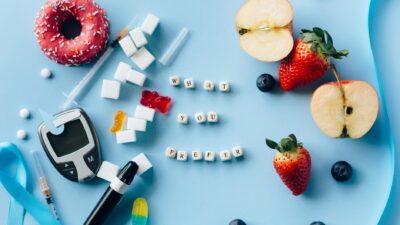
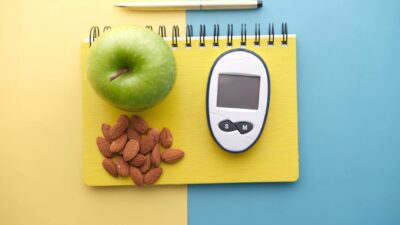
Low insulin foods are those that produce only a small insulin response when you eat them. The list is dominated by non-starchy vegetables, fatty fish, eggs, nuts, seeds, olive oil, avocados, and most full-fat unsweetened dairy. Understanding this category is useful because insulin, not only glucose, drives long-term weight gain, fat storage, and progression of insulin resistance.
Insulin vs. Glucose: Why the Distinction Matters
The glycemic index measures how a food raises blood sugar. But insulin is released not only in response to glucose — amino acids in protein and certain dairy peptides also trigger insulin secretion. Holt, Miller, and Petocz created the food insulin index (FII) in 1997 by measuring insulin response after a 1,000-kJ portion of 38 common foods, with white bread set to 100. The results surprised researchers: milk and yogurt produced higher insulin responses than you would predict from their glucose impact, while meat and fish produced moderate responses with almost no glucose change.
For people with prediabetes or insulin resistance, chronic high insulin levels can keep fat storage active and blunt insulin sensitivity over time. Eating lower-insulin meals gives the pancreas quieter periods and may help sensitivity recover. The diet and nutrition hub places this strategy within a broader evidence-based diet framework.
Lowest-Insulin Foods
| Food | Approx FII | Comment |
|---|---|---|
| Eggs | ~31 | Low carbs and moderate protein |
| Avocado | ~30 | Mostly monounsaturated fat |
| Olive oil | <5 | Pure fat, no protein or carbs |
| Leafy greens | <10 | Minimal carbs, high fiber |
| Salmon | ~43 | Protein + fat, small carb |
| Almonds/walnuts | ~20-25 | Fat + fiber dominate |
| Butter | <5 | Pure dairy fat |
| Cheese (hard, aged) | ~45 | Moderate, protein-driven |
| Beef (fatty cut) | ~50 | Moderate, protein-driven |
Foods That Look “Healthy” but Raise Insulin Sharply
Several commonly recommended foods produce insulin responses larger than their glycemic index suggests. Skim milk and low-fat yogurt score around 90 on the FII because removing fat increases the relative proportion of lactose and whey protein, both insulinogenic. White fish and lean chicken breast score around 50-60 despite minimal glucose impact. Instant oats and white potato score above 100.
How to Build a Low-Insulin Meal
The practical goal is not to eliminate insulin (you cannot and should not), but to keep the average response modest. A workable template:
- Protein source: fatty fish, eggs, chicken thigh, tofu.
- Fat source: olive oil, avocado, nuts, seeds, whole olives.
- Vegetables: two or more cups of non-starchy varieties per meal.
- Optional small carb: berries, small serving of legumes, or a half-cup of intact whole grain if tolerated.
- Avoid pairing sugar with fat: ice cream, pastries, and fried-plus-sweet combos (donuts) spike insulin most.
A Day of Low-Insulin Eating
- Breakfast: Two eggs scrambled in butter, sauteed spinach, 1/4 avocado. Coffee.
- Lunch: Grilled chicken thigh salad with olive oil, vinegar, olives, and feta.
- Snack: Handful of walnuts and a small piece of hard cheese.
- Dinner: Baked salmon, roasted broccoli in olive oil, 1/2 cup lentils.
This day typically generates a much lower total daily insulin response than a Western pattern day built on cereal, sandwiches, pasta, and baked goods.
Who Benefits Most From a Low-Insulin Diet
People with insulin resistance, prediabetes, polycystic ovary syndrome (PCOS), or metabolic syndrome often see the clearest improvements in fasting insulin, waist circumference, and triglyceride levels. Hallberg and colleagues’ 2018 study on a low-carb nutrition intervention in type 2 diabetes showed dramatic reductions in insulin requirements and medication use at one and two years, supporting the broader principle that lowering carbohydrate and insulin load improves metabolic markers. If you take insulin or a sulfonylurea, medication adjustments are likely necessary — coordinate changes with your clinician and see the treatment hub for context on how diet and drugs interact.
Measuring Your Own Response
Two practical tools let you personalize the approach:
- Fasting insulin test (normal usually under 10 uIU/mL) combined with fasting glucose to calculate HOMA-IR.
- CGM to observe glucose patterns; while CGMs do not measure insulin, spikes and crashes correlate with larger insulin responses.
The Bottom Line
Low insulin foods are built around vegetables, healthy fats, whole-cut proteins, and minimal refined carbohydrates. The food insulin index shows that some protein- and dairy-rich foods raise insulin more than their glucose impact implies, so look beyond glycemic index alone. A sustained pattern of low-insulin eating tends to improve insulin sensitivity, waist circumference, and long-term metabolic health.