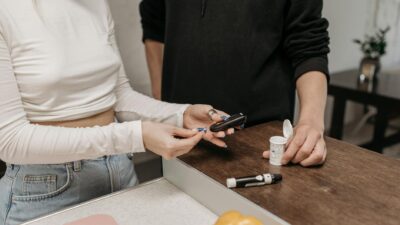
The most effective natural ways to lower blood sugar are well-studied: gradual weight loss of 5-10 percent, the Mediterranean diet, strength plus aerobic training, 7 or more hours of sleep, stress reduction, and a daily fiber intake of 25-38 grams. Smaller boosts come from apple cider vinegar before meals, green tea, and magnesium-rich foods. None of these replace medication for established diabetes, but they are powerful for prediabetes and a strong complement at any stage.
Weight Loss: The Single Most Powerful Lever
The Diabetes Prevention Program (DPP) is the cornerstone trial here. Among adults with prediabetes, a 5-7 percent weight loss combined with 150 minutes of moderate activity per week reduced progression to type 2 diabetes by 58 percent over 3 years — outperforming metformin (31 percent reduction). The Look AHEAD trial showed similar A1C and glucose benefits in people with established type 2 diabetes who lost 5-10 percent of body weight.
For someone weighing 200 lbs, that is 10-20 lbs — a meaningful but achievable target. Sustained loss matters more than rapid loss. Our prediabetes reversibility guide walks through what makes weight loss stick.
The Mediterranean Diet
The PREDIMED trial randomized over 7,000 adults at high cardiovascular risk to either the Mediterranean diet (with extra olive oil or nuts) or a low-fat control. The Mediterranean group had a 30 percent lower risk of major cardiovascular events and a 52 percent lower incidence of type 2 diabetes in a sub-analysis. Core principles:
- Daily vegetables, fruits, whole grains, legumes, nuts, and extra virgin olive oil.
- Fish 2-3 times per week.
- Modest poultry, eggs, dairy.
- Limited red meat and processed foods.
- Optional moderate wine with meals (not for everyone).
The combination of fiber, monounsaturated fats, and polyphenols appears to improve insulin sensitivity. Our diet and nutrition hub goes deeper on Mediterranean meal patterns.
Exercise: Strength Plus Aerobic
Both aerobic and resistance training lower blood sugar — and combining them is better than either alone. Recommended targets per ADA Standards 2025:
- 150 minutes per week of moderate aerobic activity (brisk walking, cycling, swimming).
- 2-3 sessions per week of resistance training (weights, bands, body-weight exercises).
- Avoid sitting for more than 30 minutes without a brief movement break.
A practical micro-tactic: a 15-30 minute walk after dinner blunts the post-meal glucose rise more than any single supplement. Muscle contraction pulls glucose out of the bloodstream independently of insulin.
Sleep: The Underrated Glucose Lever
Short sleep (under 6 hours) and poor sleep quality consistently raise fasting glucose, A1C, and insulin resistance in controlled studies. Sleep apnea is particularly tied to worse glucose control and is underdiagnosed in adults with type 2 diabetes. Aim for 7-9 hours per night, consistent bed and wake times, and screening for obstructive sleep apnea if you snore loudly, wake up unrefreshed, or have a partner who has noticed pauses in breathing.
Stress Reduction
Cortisol drives gluconeogenesis. Chronic stress raises fasting glucose, particularly the morning dawn-phenomenon spike. Evidence-based options include mindfulness meditation, yoga, brief breathing exercises (box breathing, 4-7-8), regular outdoor time, and adequate social connection. The effect on A1C is modest in trials (around 0.3-0.5 percentage points), but stacking it with diet and exercise compounds results.
Fiber: 25-38 Grams Per Day
Soluble fiber from oats, beans, lentils, apples, chia, and psyllium slows glucose absorption and feeds gut bacteria that improve insulin sensitivity. The American Heart Association and ADA recommend 25 g/day for women and 38 g/day for men — most US adults consume around 15 g. Practical food swaps that move the needle:
- Switch white rice for lentils or barley.
- Add 1-2 tablespoons of chia or ground flax to yogurt or smoothies.
- Choose berries over juice; eat the apple instead of drinking the juice.
- Include a half-cup of beans or legumes most days.
Supplements and Foods With Smaller Effects
Several natural options have modest evidence:
- Apple cider vinegar (1-2 tablespoons diluted, before high-carb meals): blunts post-meal glucose by 10-20 percent in some studies.
- Green tea (3-4 cups per day): polyphenols may improve insulin sensitivity slightly.
- Magnesium-rich foods (leafy greens, pumpkin seeds, almonds, beans): low magnesium is linked to insulin resistance.
- Cinnamon (1-3 g/day): mixed evidence, with small fasting glucose reductions in some trials.
- Berberine: has the strongest supplement evidence (similar A1C drop to low-dose metformin in some trials), but check interactions with your clinician.
None of these matches the impact of weight loss, the Mediterranean diet, and exercise. Treat them as add-ons, not substitutes.
What Lifestyle Changes Cannot Do
Be honest with yourself. Lifestyle changes are powerful for prediabetes and early type 2 diabetes. They rarely produce the glucose reductions of metformin, GLP-1 agonists, or insulin in established disease. If your A1C is elevated and not coming down with consistent lifestyle effort, medication is not failure — it is appropriate care. Our treatment overview covers how lifestyle and medication work together.
The Bottom Line
Natural ways to lower blood sugar work — when you stack them. Modest weight loss, the Mediterranean diet, regular movement, 7+ hours of sleep, stress reduction, and adequate fiber together produce meaningful A1C and fasting glucose reductions. According to the Diabetes Prevention Program, lifestyle change cut type 2 diabetes risk by 58 percent in people with prediabetes. Start with one or two tactics, build consistency, and partner with your clinician on the bigger plan.