Oranges are one of the more underrated whole fruits in diabetes nutrition. A medium orange provides about 15 grams of carbohydrate — modest compared with bananas (27 g) or large apples (25 g) — alongside 3 grams of fiber, vitamin C, and the citrus flavonoid hesperidin. The glycemic index sits around 42 to 45, well within the low-to-moderate range. The complications are mostly about juice: an 8-ounce glass of orange juice delivers 26 grams of sugar with essentially no fiber, producing a sharp glucose spike comparable to soda. The whole-orange-vs-juice distinction is among the largest single differences in food-form effects on blood glucose, and it deserves the attention it gets in diabetes education.
Nutrition Profile
| Orange form (serving) | Calories | Carbs (g) | Fiber (g) | Sugar (g) | Glycemic Index |
|---|---|---|---|---|---|
| Navel orange (medium ~140 g) | 69 | 15 | 3 | 12 | ~42 |
| Valencia orange (medium) | 62 | 15 | 3 | 12 | ~45 |
| Blood orange (medium) | 69 | 16 | 3 | 12 | ~42 |
| Cara Cara orange (medium) | 69 | 15 | 3 | 12 | ~42 |
| Clementine (1 fruit) | 35 | 8 | 1 | 7 | ~43 |
| Tangerine (1 fruit) | 47 | 12 | 2 | 9 | ~43 |
| Orange juice (8 oz) | 110 | 26 | 0 | 21 | ~50 (high effective load) |
| Mandarin oranges canned (½ cup) | 80 | 20 | 1 | 19 | ~47 |
Glycemic Impact
Whole oranges produce a moderate glucose response. CGM users typically see peaks 25 to 40 mg/dL above baseline when eating a medium orange alone, smaller when paired with protein or fat. The fiber content, intact cell structure, and citrus flavonoids all contribute to a slow, controlled curve. Orange juice produces a much sharper spike — often 60 to 100 mg/dL within 30 to 45 minutes — because the fiber matrix that slows digestion in whole fruit has been removed.
Variety Comparison
- Navel: most common US eating orange; sweet, easy to peel; GI ~42.
- Valencia: juicier, sweeter; the standard juice orange; GI ~45.
- Blood orange: distinctive red flesh from anthocyanins (a separate polyphenol class); seasonal winter; GI ~42.
- Cara Cara: pink-fleshed navel variety; modestly higher lycopene; GI ~42.
- Clementine and mandarin: smaller, sweeter, easier-portion fruit; about half the carbohydrate per piece.
- Tangerine: similar to mandarin; slightly tarter.
- Seville (bitter): marmalade orange; rarely eaten fresh.
Hesperidin and Citrus Flavonoids
- Hesperidin is the dominant flavonoid in sweet oranges, found in both flesh and white pith.
- Studied for modest improvements in fasting glucose, lipid markers, and endothelial function.
- Meta-analyses suggest small but consistent improvements in cardiovascular risk markers with regular citrus intake.
- Blood oranges add anthocyanins to the polyphenol mix.
- Citrus polyphenols are partially preserved in 100% juice but the carbohydrate load offsets the benefit.
The Juice Problem
- An 8-ounce glass of orange juice contains about 26 grams of sugar.
- Juice produces a sharp glucose spike comparable to regular soda.
- The Muraki BMJ study found that fruit juice consumption was associated with an 8% higher risk of type 2 diabetes per daily serving — the opposite direction of effect from whole fruit.
- “No sugar added” orange juice still contains all the natural fruit sugar without the fiber buffer.
- Orange juice does have a legitimate role in treating hypoglycemia — 4 oz delivers about 13 g fast-acting carbohydrate.
- For routine consumption with diabetes, whole oranges always beat juice.
Vitamin C and Other Nutrients
| Nutrient (1 medium orange) | Amount | % Daily Value |
|---|---|---|
| Vitamin C | 70 mg | 78% |
| Folate | 40 mcg | 10% |
| Potassium | 237 mg | 5% |
| Calcium | 60 mg | 6% |
| Thiamine | 0.1 mg | 9% |
| Hesperidin | ~50 mg | n/a |
Pairing Strategies
- Orange + small handful of almonds — protein and fat slow glucose response.
- Orange + 1 oz cheese — Mediterranean snack combination.
- Orange segments in a spinach salad with feta and walnuts.
- Sliced orange + Greek yogurt for a protein-rich breakfast.
- Half orange + 1 Tbsp nut butter as an afternoon snack.
- Add a clementine to a meal with chicken or fish — vitamin C also enhances iron absorption.
Oranges vs Other Fruits
| Fruit (1 medium or 1 cup) | Carbs (g) | Fiber (g) | Sugar (g) | Vitamin C (mg) |
|---|---|---|---|---|
| Orange (medium) | 15 | 3 | 12 | 70 |
| Apple (medium with peel) | 25 | 4 | 19 | 8 |
| Banana (medium) | 27 | 3 | 14 | 10 |
| Strawberries (1 cup) | 11 | 3 | 7 | 85 |
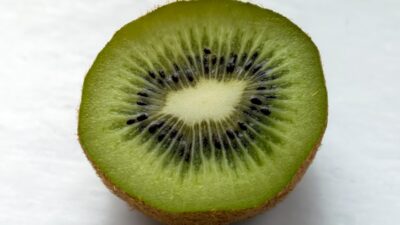
| Kiwi (1 fruit) | 10 | 2 | 6 | 71 |
| Grapefruit (½ medium) | 13 | 2 | 9 | 38 |
| Pineapple (1 cup) | 21 | 2 | 16 | 79 |
Hidden Orange Sources
- Sweetened breakfast cereals labeled with orange flavor or hints often contain added sugar plus minimal real orange.
- Orange-flavored yogurts often contain 18 to 25 grams of added sugar.
- Mandarin orange salad dressings often contain added sugar.
- Orange-glazed chicken or salmon in restaurants often uses orange juice + sugar reduction.
- Tropicana 50 and similar juice products use sweetener replacement but still contain the natural fruit sugars.
Who Should Be Careful
- People on medications metabolized by CYP3A4 — citrus (especially grapefruit, less so oranges) can affect drug levels. Statins, calcium channel blockers, and some immunosuppressants are particularly affected.
- People with severe GERD — citrus can worsen reflux.
- People with chronic kidney disease — modest potassium content; portion-control rather than avoidance.
- People who use orange juice as their “fruit serving” exclusively — switch to whole oranges.
- People with citrus allergy (uncommon).
Practical Patterns That Work
- Keep clementines or small mandarin oranges as portion-controlled fruit snacks.
- Eat whole oranges rather than drinking juice.
- Pair oranges with nuts, cheese, or yogurt for the flattest glucose curve.
- Use orange segments in salads, salsas, and as a meal accompaniment.
- Add grated orange zest to dressings, marinades, and recipes for citrus flavor without sugar.
- Reserve orange juice for hypoglycemia treatment, not routine consumption.
The Bottom Line
Whole oranges are a quietly excellent diabetes-friendly fruit. A medium orange provides about 15 grams of carbohydrate, 3 grams of fiber, 70 mg of vitamin C, and a useful dose of citrus flavonoids including hesperidin. The glycemic index of 42 to 45 sits comfortably in the low-to-moderate range. Variety differences (navel, Valencia, blood, Cara Cara, mandarin, clementine, tangerine) are smaller than people assume — all are reasonable choices. The single biggest distinction is whole orange versus orange juice. An 8-ounce glass of orange juice delivers 26 grams of sugar with no fiber and produces a sharp glucose spike comparable to soda; large prospective cohort studies link fruit juice consumption with higher type 2 diabetes risk. Eat whole oranges, paired with nuts, cheese, or yogurt for the flattest curve. Orange juice has a legitimate role in hypoglycemia treatment but should not be a routine beverage for adults with diabetes. See our broader diabetes diet guide for the framework on fruit choices.