Pears for diabetes are an underrated fruit choice. With a glycemic index around 38, generous fiber (6 g per medium fruit — one of the highest in the fruit aisle), and a fiber-water matrix that slows glucose absorption, a whole pear with the skin fits comfortably into a diabetes-friendly eating plan. The catch is what you do with the pear: a fresh ripe pear with cheese is a fine snack, while canned pears in heavy syrup or pureed pear smoothies are very different propositions. This guide walks through the GI by variety, the ripeness effect, portion math, best pairings, and practical recipes.
Pear Nutrition Per Serving
| Variety | Calories | Carbs | Fiber | Net carbs | Sugar | GI | GL |
|---|---|---|---|---|---|---|---|
| Bartlett (medium, 178 g) | 100 | 26 g | 6 g | 20 g | 17 g | 38 | 8 |
| Anjou (medium, 200 g) | 115 | 30 g | 6 g | 24 g | 20 g | 31 | 7 |
| Bosc (medium, 178 g) | 100 | 27 g | 6 g | 21 g | 17 g | ~34 | 7 |
| Asian pear (medium, 275 g) | 116 | 29 g | 10 g | 19 g | 19 g | ~34 | 6 |
| 1/2 cup sliced raw | 50 | 13 g | 3 g | 10 g | 9 g | 38 | 4 |
| 1 cup canned in juice, drained | 120 | 32 g | 4 g | 28 g | 26 g | ~45 | 13 |
| 1 cup canned in heavy syrup | 197 | 51 g | 4 g | 47 g | 45 g | ~55 | 26 |
| 1 oz dried pear (no added sugar) | 75 | 20 g | 2 g | 18 g | 17 g | ~45 | 8 |
Why Pears Are Diabetes-Friendly
- Low glycemic index: 31 to 38 across major varieties, below the moderate-GI threshold
- High fiber: 6 g per medium fruit — both soluble (pectin, which forms a gel in the gut) and insoluble
- Water content: 80 to 85 percent water, contributing to satiety and slow absorption
- Antioxidants: flavonoids and vitamin C, especially concentrated in the skin
- Potassium: 200 mg per medium fruit, useful for blood pressure
- Low calorie density: 100 calories for a satisfying piece of fruit
The Skin Matters
About two-thirds of a pear’s fiber and most of its antioxidants are in the skin. Peeling a pear removes 4 of its 6 grams of fiber and drops the antioxidant content significantly. The skin is thin and edible on all common pear varieties — wash and eat whole. Asian pears have a slightly tougher skin that some prefer to peel; even peeled, Asian pears still have meaningful fiber from the flesh.
Ripeness and Glycemic Response
Pear ripeness changes glycemic impact more than most people realize. As pears ripen:
- Starch converts to sugars (fructose, glucose, sucrose)
- Total sugar content rises modestly (a fully ripe pear is 10 to 15 percent higher in sugar than a firm one)
- Texture softens, cell walls weaken — glucose is absorbed more quickly
- GI rises perhaps 5 to 10 points
For diabetes, slightly under-ripe pears (still firm but giving slightly at the stem) have the most favorable profile. Fully ripe pears are not off-limits — they are sweeter and softer, and still well below problem foods on GL.
Best Pear Pairings
- Cheese (especially blue, sharp cheddar, or goat): the classic combination; fat and protein slow glucose absorption
- Nut butter: 1 tablespoon of almond or peanut butter on pear slices — about 12 g carbs, 4 g protein, 8 g fat
- Greek yogurt: plain unsweetened Greek yogurt with pear chunks and a sprinkle of cinnamon
- Walnuts or pecans: a handful adds healthy fats and crunch
- Cottage cheese: high protein, pairs surprisingly well with ripe pear
- Prosciutto and arugula: a savory salad with pear ribbons
- Steel-cut oats: small portion of oats with diced pear — both contain soluble fiber
Diabetes-Friendly Pear Preparations
- Sliced pear with cheese plate: 1 medium pear, 1 oz aged cheddar, a few walnuts
- Pear and walnut salad: mixed greens, sliced pear, walnuts, goat cheese, balsamic dressing — pair with grilled chicken
- Poached pears: simmer in red wine, cinnamon, and star anise (no added sugar) — elegant dessert
- Pear with nut butter: simple high-fiber snack
- Pear and arugula sandwich: on whole-grain bread with turkey and mustard
- Roasted pear: halved, roasted at 375 F for 20 minutes with a sprinkle of cinnamon
- Pear ribbons in slaw: with cabbage, carrot, and apple cider vinegar dressing
- Greek yogurt parfait: Greek yogurt layered with diced pear and a few almonds
- Pear smoothie (careful): half pear plus Greek yogurt, spinach, and chia seeds — fiber maintained
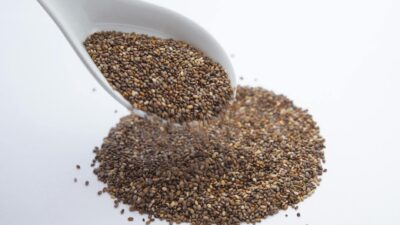
- Pear chia pudding: chia seeds in unsweetened almond milk topped with pear
What to Avoid (or Limit)
- Canned pears in heavy syrup: 45 g of sugar per cup, half of which is added
- Pear juice: 30 g of carbs per cup with almost no fiber
- Pear nectar: typically has added sugar plus juice — high carb load
- Dried pears (sweetened): check labels; sweetened versions can have 25+ g sugar per ounce
- Pear pie or pear tart: the dessert math gets unfavorable quickly
- Pear sauce in sweetened oatmeal: the layers of carbs add up
Pear Variety Comparison
| Variety | Flavor | Texture | Best for | GI |
|---|---|---|---|---|
| Bartlett | Sweet, classic pear | Soft when ripe | Snacking, baking, smoothies | ~38 |
| Anjou (green) | Mild, slightly tart | Firm, stays crisp longer | Salads, slicing | ~31 |
| Anjou (red) | Sweet | Firm | Salads, cheese plates | ~31 |
| Bosc | Honey-like, complex | Dense, crunchy | Poaching, roasting, cheese | ~34 |
| Comice | Very sweet, buttery | Soft, juicy when ripe | Eating fresh, dessert | ~36 |
| Asian (Korean, Nashi) | Crisp, mild, juicy | Apple-like crunch | Snacking, slaws, salads | ~34 |
| Seckel | Spicy-sweet, small | Firm | Single-serve, lunchbox | ~36 |
Comparison to Other Common Fruits
| Fruit (1 medium) | Calories | Carbs | Fiber | Net carbs | GI |
|---|---|---|---|---|---|
| Pear (Bartlett) | 100 | 26 g | 6 g | 20 g | 38 |
| Apple | 95 | 25 g | 4.4 g | 21 g | 36 |
| Orange | 62 | 15 g | 3 g | 12 g | 43 |
| Banana (medium) | 105 | 27 g | 3 g | 24 g | 51 |
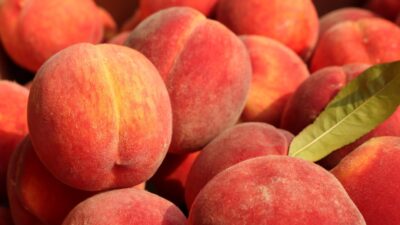
| Peach | 60 | 15 g | 2 g | 13 g | 28 |
| Plum | 30 | 8 g | 1 g | 7 g | 34 |
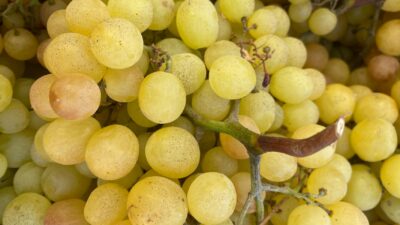
| Grapes (1 cup) | 104 | 27 g | 1.4 g | 26 g | 59 |
Watch-Outs
- Latex-fruit syndrome: people with latex allergy may cross-react with pears, kiwi, banana, and avocado
- FODMAPs: pears are high in fructose and sorbitol — can cause bloating in people with IBS
- Pesticide residue: pears are on the EWG “dirty dozen” list — washing the skin or buying organic helps if this is a concern
- Bruising: ripe pears bruise easily; store firm ones at room temperature, refrigerate when ripe
- Cumulative fruit intake: if you eat pear plus banana plus orange in a day, that is 60+ g of carbs from fruit alone
Storage Tips
- Buy pears slightly under-ripe and ripen at room temperature
- Check ripeness by gently pressing near the stem — slight give = ripe
- Refrigerate ripe pears to slow further softening (keeps 3 to 5 days)
- To speed ripening, put pears in a paper bag with an apple or banana (ethylene)
- Cut pear browns quickly — toss with lemon juice or eat right away
Related Reading
For more on fitting fruit into a diabetes-friendly plate, see our hub on diet and nutrition, plus sibling guides on peaches for diabetes and avocado for diabetes. If you have questions about A1C targets, see A1C levels.
The Bottom Line
Pears for diabetes are a low-GI, high-fiber fruit choice that fits most diabetes plans in standard portions. A medium pear with the skin gives 6 g of fiber, 19 to 20 g of net carbs, and 100 calories — useful as a snack or with a meal. Choose firm-ripe over overripe for the most favorable glucose response, pair with cheese, nuts, or yogurt to slow absorption further, eat the skin for fiber and antioxidants, and skip canned pears in heavy syrup. Among common fruits, pears are one of the easier ones to include in a diabetes diet without much glucose drama.