Pistachios are among the more evidence-supported nuts for diabetes meal planning. Clinical trials show modest A1C improvements and meaningfully reduced post-meal glucose excursions when pistachios are eaten alongside carbohydrate-containing meals. The macronutrient profile is unusually favorable — pistachios have the highest protein-to-calorie ratio of common nuts, slightly lower total calories than most other tree nuts, and a substantial dose of fiber and monounsaturated fat. The lutein and zeaxanthin content support eye health, which matters specifically for adults with diabetes managing retinopathy risk. And the “pistachio principle” — eating in-shell to naturally slow consumption — gives pistachios a behavioral advantage that other nuts lack. For adults with type 2 diabetes pursuing both glucose control and weight management, pistachios deserve particular attention.
Nutrition Profile
| Pistachio form (serving) | Calories | Carbs (g) | Fiber (g) | Protein (g) | Fat (g) |
|---|---|---|---|---|---|
| Raw kernels (1 oz, ~49) | 159 | 8 | 3 | 6 | 13 |
| Dry-roasted unsalted (1 oz) | 162 | 8 | 3 | 6 | 13 |
| Dry-roasted salted (1 oz) | 162 | 8 | 3 | 6 | 13 |
| In-shell roasted salted (1 oz edible) | 162 | 8 | 3 | 6 | 13 |
| Pistachio butter (1 Tbsp) | 90 | 5 | 2 | 3 | 7 |
| Pistachio flour (¼ cup) | 180 | 8 | 3 | 7 | 14 |
| Sicilian pistachios (1 oz) | 160 | 8 | 3 | 6 | 13 |
| Chocolate-covered (1 oz) | 165 | 14 | 2 | 4 | 11 |
Glycemic Impact
Pistachios produce essentially no glucose response on their own. The carbohydrate content is small (8 g per ounce), most of it bound to fiber and protein. When pistachios are eaten alongside carbohydrate-containing meals — like the Kendall trials — post-meal glucose peaks drop by 25 to 40%. The mechanism involves slowed gastric emptying, increased GLP-1 secretion, and improved insulin response timing. CGM users see clear flattening effects when pistachios are added to high-carbohydrate snacks like pretzels or rice cakes.
Clinical Trial Evidence
- Kendall et al. (2014): adding pistachios to a high-carbohydrate meal (white rice, pasta, mashed potato) reduced post-meal glucose by 20 to 30% across all three carbohydrate types.
- Hernández-Alonso et al. (2014): adults with prediabetes who consumed 57g pistachios daily for 4 months improved fasting glucose by 9 mg/dL and HOMA-IR (insulin resistance) by 21%.
- Sauder et al. (2015): 12-week pistachio intervention reduced fasting glucose and improved blood pressure in adults with type 2 diabetes.
- Meta-analyses link daily pistachio consumption with modest A1C improvements of 0.3 to 0.4 percentage points.
- Benefits are documented across both prediabetes and type 2 diabetes populations.
The Pistachio Principle
- Wansink, Payne, and Shimizu (2011): people consumed 35% fewer calories from in-shell pistachios than shelled at the same access level.
- Mechanisms: visual feedback from empty shells, behavioral pacing from shelling.
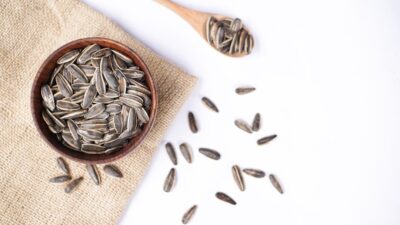
- The principle generalizes to other foods that require effort (in-shell sunflower seeds, edamame).
- For weight management with type 2 diabetes, in-shell pistachios are a behaviorally smart choice.
- Pre-shelled pistachios are more convenient for cooking and topping but require deliberate portion control.
Lutein, Zeaxanthin, and Eye Health
- Pistachios are the highest lutein and zeaxanthin source among common nuts.
- Lutein and zeaxanthin concentrate in the macula of the eye, where they filter blue light and protect retinal tissue.
- Higher intake is associated with reduced risk of age-related macular degeneration and possibly diabetic retinopathy progression.
- For adults with diabetes (who carry elevated retinopathy risk), the eye-health benefit adds to the metabolic case.
- Other lutein/zeaxanthin sources: leafy greens (kale, spinach), egg yolks, corn.
Variety Differences
- California pistachios: most common in US grocery stores; medium-sized.
- Iranian pistachios: prized for flavor and texture; often higher cost.
- Turkish pistachios: smaller, intensely flavored; common in Middle Eastern baking.
- Sicilian pistachios (Bronte): small, bright green, intense flavor; used in Italian desserts and savory dishes.
- Nutritionally similar across varieties; flavor and cost differ.
Pistachios vs Other Nuts
| Nut (1 oz) | Calories | Carbs (g) | Fiber (g) | Protein (g) | Protein/cal |
|---|---|---|---|---|---|
| Pistachios | 159 | 8 | 3 | 6 | 0.038 |
| Almonds | 164 | 6 | 4 | 6 | 0.037 |
| Walnuts | 185 | 4 | 2 | 4 | 0.022 |
| Cashews | 157 | 9 | 1 | 5 | 0.032 |
| Peanuts | 166 | 6 | 2 | 7 | 0.042 |
| Pecans | 196 | 4 | 3 | 3 | 0.015 |
Pairing Strategies
- 1 oz in-shell pistachios as a portion-controlled snack.
- Pistachios + Greek yogurt + a few berries — high-protein breakfast or snack.
- Chopped pistachios over a green salad with grilled chicken.
- Pistachio-crusted salmon or chicken (use ground pistachios as breading).
- Pistachio pesto with basil, olive oil, and parmesan.
- Pair pistachios with carbohydrate-containing meals to flatten glucose curves.
- Add chopped pistachios to oatmeal, ricotta, or cottage cheese.
Sodium and Salt Considerations
- Salted pistachios: 100 to 200 mg sodium per ounce.
- Lightly salted: 50 to 100 mg per ounce.
- Unsalted: under 5 mg per ounce.
- For adults with hypertension, choose lightly salted or unsalted versions.
- A daily heavy pistachio habit at heavily salted versions can contribute 700 to 1,000 mg sodium per week from pistachios alone.
- Salt-roasted shells preserve the salty taste without contributing as much absorbed sodium as fully salted kernels.
Who Should Be Careful
- People with tree-nut allergy — pistachios cross-react with cashews; both are typically off-limits if either allergy is present.
- People with chronic kidney disease — moderate potassium content; portion-control with renal dietitian.
- People with gout — pistachios are moderate-purine; modest portions are usually fine.
- People with severe IBS — fructans in pistachios can trigger symptoms.
- People pursuing weight loss — calorie density adds up; in-shell helps with portion control.
Practical Patterns That Work
- Choose in-shell pistachios for snacking — natural portion control.
- Keep dry-roasted unsalted pistachios as a default for cooking and salads.
- Pre-portion 1-oz bags for grab-and-go.
- Pair pistachios with high-carbohydrate meals to flatten glucose curves.
- Use chopped pistachios as a low-carb breading for chicken or fish.
- Add to yogurt, oatmeal, or cottage cheese for daily protein and healthy fat boost.
The Bottom Line
Pistachios are among the most evidence-supported nuts for diabetes meal planning. Clinical trials show modest A1C improvements (0.3 to 0.4 percentage points) and 20 to 30% lower post-meal glucose peaks when pistachios accompany carbohydrate-containing meals. A 1-ounce serving (49 kernels) provides 8 grams of carbohydrate, 3 grams of fiber, 6 grams of plant protein, and 13 grams of mostly monounsaturated fat. The macronutrient profile produces essentially no glucose response. Pistachios also offer two distinctive advantages: the “pistachio principle” — in-shell consumption naturally reduces calorie intake by about 35% through visual feedback and behavioral pacing — and substantial lutein and zeaxanthin content, which support eye health and may protect against diabetic retinopathy progression. The main practical considerations are calorie density (159 cal per oz) and sodium content of salted versions. For adults with type 2 diabetes pursuing both glucose control and weight management, daily pistachios (1 to 1.5 oz, preferably in-shell) are among the highest-yield single food additions. See our broader diabetes diet guide for the framework on nuts and healthy fats.