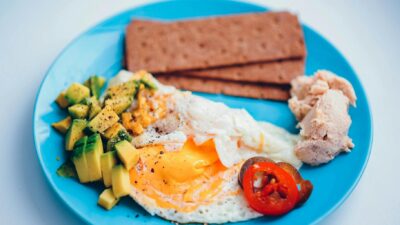
Healthy carbs are minimally processed, fiber-rich foods such as legumes, whole grains, non-starchy vegetables, and whole fruit. They raise blood glucose more slowly and provide vitamins, minerals, and fiber that refined carbs lack. Quality matters more than quantity for most people managing blood sugar.
How Carbs Are Categorized
Dietary carbohydrates fall into three main groups:
- Sugars: Simple carbohydrates like glucose, fructose, sucrose, and lactose. Found naturally in fruit and dairy and added to many processed foods.
- Starches: Chains of glucose molecules. Found in grains, legumes, and starchy vegetables.
- Fiber: Carbohydrates the body cannot digest. Found in whole plants.
What makes a carb “healthy” is not one nutrient but the whole food context: how processed it is, how much fiber it retains, and what else comes with it. Our diet and nutrition hub covers the broader nutrition picture.
Hallmarks of a Healthy Carb
| Criterion | Healthy Carb | Refined Carb |
|---|---|---|
| Processing | Minimal (intact grains, whole fruit) | Heavy (flour, syrup, juice) |
| Fiber per serving | 3 g or more | Often less than 1 g |
| Glycemic impact | Slower, smaller spike | Faster, larger spike |
| Added sugar | None or minimal | Often added |
| Nutrient density | High | Low |
The Best Healthy Carb Foods
Legumes
Beans, lentils, chickpeas, and split peas are among the most favorable carbohydrate foods for glucose control. A cup of black beans delivers about 15 grams of fiber, high protein, and slow-digesting starch. Meta-analyses show that regular legume intake lowers A1C by 0.3 to 0.5 percentage points.
Intact Whole Grains
Steel-cut oats, barley, farro, quinoa, bulgur, wild rice, and whole-grain rye produce smaller glucose rises than flour-based products. The physical structure of the grain slows enzymatic digestion.
Non-Starchy Vegetables
Leafy greens, broccoli, cauliflower, peppers, tomatoes, cucumbers, zucchini, and eggplant are essentially free from glucose impact. Fill half your plate with them at most meals.
Whole Fruit
Berries, apples, pears, citrus, and stone fruits are high in fiber and water. Whole fruit differs significantly from juice; juicing removes fiber and concentrates sugar. Portion sizes of about 1 cup for berries or a medium fruit fit most diabetes plans.
Nuts and Seeds
Walnuts, almonds, chia, flax, and pumpkin seeds contribute small amounts of carbohydrate with substantial fiber, protein, and healthy fats.
Dairy (for those who tolerate it)
Plain Greek yogurt, kefir, and milk provide lactose (a sugar) but with protein and fat that slow absorption. Avoid flavored yogurts with added sugar.
Carbs to Limit or Avoid
Per the USDA Dietary Guidelines for Americans, limit added sugars to less than 10% of daily calories. Foods to minimize:
- Sugar-sweetened beverages (soda, sweet tea, sports drinks)
- Refined baked goods (white bread, pastries, cookies)
- Breakfast cereals high in added sugar
- Candy and sweets
- White rice in large portions (depending on overall diet)
- Flavored yogurts and sweetened dairy alternatives
Glycemic Index and Glycemic Load
Glycemic index (GI) ranks how quickly a food raises blood glucose compared to pure glucose. Glycemic load (GL) accounts for the actual portion. Both tools are imperfect but directionally useful:
| Food (typical serving) | GI | GL |
|---|---|---|
| Lentils (1 cup) | 29 | 5 |
| Oats, steel cut (1 cup cooked) | 42 | 9 |
| Apple (medium) | 36 | 5 |
| Brown rice (1 cup) | 50 | 20 |
| White rice (1 cup) | 73 | 29 |
| Russet potato, baked (medium) | 85 | 26 |
| White bread (1 slice) | 75 | 10 |
Choose lower-GL options when possible, and combine higher-GL foods with protein, fiber, or fat to blunt the spike.
Building a Diabetes-Friendly Plate
The CDC and ADA both recommend the Plate Method as a simple planning tool:
- Half the plate: non-starchy vegetables
- One quarter: lean protein (chicken, fish, tofu, eggs)
- One quarter: high-fiber carbs (legumes, intact grains, starchy vegetables)
- Add healthy fat (olive oil, avocado, nuts) and water or unsweetened drinks
Sample Day of Healthy Carbs
- Breakfast: Steel-cut oats with chia seeds, walnuts, and blueberries. About 40 g carbs, 9 g fiber.
- Lunch: Lentil and vegetable soup with a whole-grain roll. About 45 g carbs, 12 g fiber.
- Snack: Apple with 2 tablespoons natural peanut butter. About 25 g carbs, 5 g fiber.
- Dinner: Grilled salmon, roasted Brussels sprouts, and half a cup of quinoa. About 30 g carbs, 7 g fiber.
Individual Response Still Matters
Two people can eat the same bowl of oatmeal and see different glucose responses. Gut microbiome, sleep, stress, and physical activity all play roles. If you use a glucose meter or CGM, test your own response to common carb sources. For how to track longer-term trends, see our A1C levels guide.
Pairing to Lower Glucose Impact
- Add protein (eggs, yogurt, chicken) to every carb-containing meal.
- Include a source of fat (olive oil, nuts, seeds, avocado).
- Combine with soluble fiber (beans, oats, psyllium).
- Walk 10 to 15 minutes after eating to lower post-meal glucose.
- Start with a vegetable or salad course before the starchy component.
The Bottom Line
Healthy carbs are whole, minimally processed, fiber-rich foods: legumes, intact grains, non-starchy vegetables, whole fruit, nuts, seeds, and plain dairy. Quality beats quantity for most people managing blood sugar, and pairing carbs with protein, fat, and fiber further supports stable glucose. Work with your clinician or a registered dietitian to personalize the plan to your labs and lifestyle.