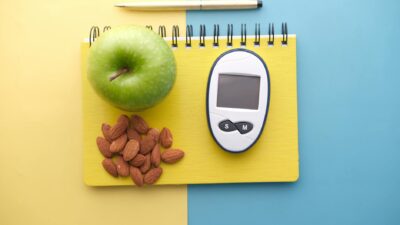
The habits that reliably lower blood sugar are simpler than most people assume: a 10 to 15 minute walk after meals, eating protein and fiber before carbs, resistance training twice a week, consistent sleep, and a Mediterranean-style eating pattern. No single food, supplement, or trick replaces these. When lifestyle alone is not enough, medications like metformin, GLP-1 agonists, and SGLT2 inhibitors add meaningful additional benefit.
The Five Highest-Yield Habits
1. Walk After Meals
A 10 to 15 minute walk starting 15 minutes after a meal flattens the post-meal glucose curve by 20 to 30 percent in most people. Muscles take up glucose during contraction without needing additional insulin. This is often the single most effective habit because it works every meal, every day, and requires no equipment.
2. Eat Protein and Fiber Before Carbs
Meal sequencing — vegetables and protein first, carbs last — reduces post-meal peaks by similar amounts in multiple studies. The same foods in the same amounts produce different glucose responses depending on the order they are eaten. The simplest rule: start every plate with the salad or vegetables, then the protein, then the rice or bread.
3. Build Muscle With Resistance Training
Muscle is the body’s largest glucose sink. More muscle means more insulin-sensitive tissue. 2 to 3 resistance-training sessions per week covering all major muscle groups produce measurable improvements in insulin sensitivity within 6 to 12 weeks, independent of weight loss. Bodyweight, dumbbells, resistance bands, and machines all work.
4. Sleep 7 to 9 Hours
Short sleep (under 6 hours) raises next-day glucose and appetite hormones. Untreated obstructive sleep apnea drives substantial insulin resistance; CPAP or other therapy often produces rapid glucose improvements. Establishing a consistent bedtime and wake time is worth more than most supplements.
5. Follow a Mediterranean-Style Pattern
Vegetables, legumes, whole grains, fish, olive oil, nuts, moderate dairy, limited red meat and refined sugar. This pattern improves insulin sensitivity within weeks and reduces long-term cardiovascular risk as a bonus. See our guide on diet and nutrition for meal-planning details.
Foods That Help (in Context)
| Food | Effect | Evidence |
|---|---|---|
| Oats and barley | Beta-glucan fiber flattens post-meal peaks | Strong |
| Legumes (beans, lentils, chickpeas) | Low GI, high fiber, high protein | Strong |
| Nuts (almonds, walnuts, pistachios) | Improve insulin sensitivity; healthy fat slows digestion | Good |
| Berries | Low GI, high fiber, polyphenols | Good |
| Fatty fish (salmon, sardines) | Omega-3s support insulin sensitivity | Good |
| Leafy greens | Very low GI, high fiber | Good |
| Cinnamon | Small effect on fasting glucose | Mixed |
| Apple cider vinegar | Modest flattening of post-meal peaks | Small |
| Green tea | Small sustained improvement in fasting glucose | Small |
| Turmeric / curcumin | Small trial evidence; not dramatic | Weak |
Foods That Hurt
- Sugar-sweetened beverages (regular soda, sweet tea, energy drinks, flavored coffee drinks)
- White bread, white rice, and other refined starches in large portions
- Fruit juice (even 100% juice)
- Candy, baked goods, and desserts
- Large portions of any carbohydrate
- Alcohol in excess (impairs liver glucose regulation)
- Ultra-processed snacks and fast food
Replacing one sugar-sweetened beverage per day with water is one of the highest-yield single dietary changes.
Exercise Prescription
- Aerobic: 150 minutes per week of moderate activity (brisk walking, cycling, swimming) or 75 minutes of vigorous activity, spread across 3 to 5 days
- Resistance: 2 to 3 sessions per week covering major muscle groups
- Post-meal walks: 10 to 15 minutes after the largest meals
- Break up sitting: 2 to 5 minutes of movement every hour of prolonged sitting
- Flexibility and balance: 2 to 3 times per week, especially for older adults
Sleep and Stress
- Fixed bedtime and wake time, even on weekends
- Dark, cool bedroom; no screens 30 minutes before bed
- Limit caffeine after noon
- Treat snoring, witnessed apneas, or daytime sleepiness with a sleep study
- Meditation, deep breathing, and therapy reduce cortisol-driven glucose elevations
- Social support and laughter are underrated — chronic isolation affects glucose control
Hydration
Dehydration concentrates blood glucose and reduces kidney clearance. Aim for 64 to 100 oz of water per day; more with exercise or hot weather. Unsweetened tea and coffee count. Sip rather than gulp; dehydration-related headache is often the first sign you are behind.
When Lifestyle Is Not Enough: Medications
For many people with type 2 diabetes, lifestyle changes plus medication reach A1C targets that lifestyle alone cannot. Common options include:
- Metformin (first-line; cheap, safe, effective)
- GLP-1 receptor agonists (significant A1C lowering, weight loss, cardiovascular benefit)
- SGLT2 inhibitors (modest A1C, heart failure and kidney benefits)
- Insulin (for advanced type 2 and all type 1)
See our overview of blood sugar medications for the full list.
Habits That Seem Helpful But Are Overrated
- Detox teas and juice cleanses — no evidence; often loaded with laxatives
- Extreme low-carb for everyone — useful for many, but not required; individualized response varies
- Supplements (berberine, chromium, bitter melon) — modest evidence at best; not standardized; potential interactions
- Intermittent fasting as the only strategy — works for some, neutral for others; does not replace exercise or food quality
- “Sugar replacement” products with sugar alcohols — can cause GI side effects and do not always reduce glucose as advertised
- Glucose-targeting smartwatches — current non-invasive sensors do not reliably measure blood glucose
A Simple One-Week Plan to Try
- Walk 10 to 15 minutes after each main meal
- Start every meal with vegetables or salad
- Include protein at every meal and snack
- Swap one sweetened beverage per day for water
- Go to bed and wake up at the same times every day
- 2 sessions of light resistance training (bodyweight or bands is fine)
- Measure fasting glucose before breakfast and 2 hours after dinner each day
Most people see numbers move within 5 to 7 days of consistent effort.
Related Reading
See our guides on how to get rid of insulin resistance, reversing prediabetes, and A1C levels for the bigger picture.
The Bottom Line
What helps lower blood sugar is boring and reliable: post-meal walks, protein and fiber before carbs, strength training, a Mediterranean eating pattern, 7 to 9 hours of sleep, and consistent hydration. Supplements and “superfoods” play at most a minor role. When lifestyle alone is not enough, medications add real benefit — but they work best on top of, not instead of, the habits above. Start with one small change, measure the impact with a meter or CGM, and build from there.