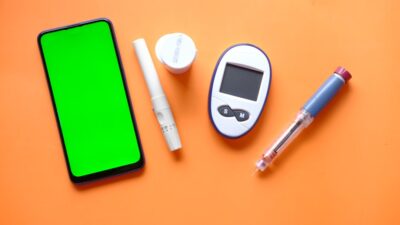
The standard definition of low blood sugar, or hypoglycemia, is a blood glucose reading below 70 mg/dL (3.9 mmol/L). The American Diabetes Association breaks hypoglycemia into three levels based on severity. Level 1 is 54 to 69 mg/dL, Level 2 is below 54 mg/dL, and Level 3 is any severe low requiring another person’s help. Most non-diabetic adults rarely drop below 70 mg/dL unless something specific is going on.
The Three Levels of Hypoglycemia
The ADA and the International Hypoglycaemia Study Group use a staged definition to guide treatment and research.
| Level | Blood glucose | Description | Typical response |
|---|---|---|---|
| Level 1 | 54 to 69 mg/dL (3.0 to 3.8 mmol/L) | Alert value; still cognitively intact | Self-treat with 15 g fast carbs (Rule of 15) |
| Level 2 | Below 54 mg/dL (3.0 mmol/L) | Clinically significant; cognitive impairment begins | Immediate fast carbs; consider glucagon if symptoms worsen |
| Level 3 | Any severe event with altered mental status | Requires another person’s assistance | Injectable or nasal glucagon, call 911 if unresolved |
Symptoms by Severity
- Early (Level 1): shakiness, sweating, racing heart, hunger, irritability, tingling around the mouth, mild anxiety
- Moderate (Level 2): difficulty concentrating, blurred vision, slurred speech, weakness, coordination problems, confusion
- Severe (Level 3): inability to self-treat, seizures, loss of consciousness
Some people with long-standing diabetes develop hypoglycemia unawareness and skip the early warning symptoms. Continuous glucose monitors help catch these events. For more on monitoring, see our prediabetes overview.
Why 70 mg/dL? The Physiology
A healthy body has several counter-regulatory mechanisms to prevent glucose from dropping too low. As blood sugar approaches 70 mg/dL, insulin secretion shuts off and glucagon is released. Below 65 mg/dL, epinephrine and other stress hormones kick in, causing the classic sweaty-shaky symptoms. Below roughly 50 mg/dL, the brain, which depends on glucose, starts malfunctioning. Setting the treatment threshold at 70 mg/dL gives a safety margin before cognitive symptoms appear.
Low Blood Sugar Without Diabetes
True hypoglycemia is uncommon in people not taking glucose-lowering medications. When it occurs, clinicians look for the Whipple triad: symptoms, a measured low glucose value, and symptom resolution with carbohydrate intake. Possible causes include:
- Reactive hypoglycemia 2 to 5 hours after a high-carb meal
- Post-bariatric surgery (especially after gastric bypass)
- Insulinoma (rare insulin-secreting tumor)
- Adrenal insufficiency
- Severe liver or kidney disease
- Certain medications (quinolones, pentamidine, some sulfa drugs)
- Alcohol on an empty stomach
Feeling shaky a few hours after eating is common and often has nothing to do with true hypoglycemia. Only a measured reading below 55 mg/dL during symptoms meets the formal criteria for investigation.
Treatment: The Rule of 15
- Consume 15 grams of fast-acting carbohydrate: 4 glucose tablets, 4 ounces (half cup) of juice or regular soda, 1 tablespoon of honey or sugar, or 8 ounces of skim milk.
- Wait 15 minutes, then recheck your glucose.
- If still under 70 mg/dL, repeat the 15 grams of carbs.
- Once you are above 70 mg/dL, eat a small snack with protein (cheese and crackers, half a sandwich) if your next meal is more than an hour away.
Avoid over-treating with large amounts of food, which tends to cause a rebound high. Chocolate and ice cream are poor choices because the fat slows sugar absorption.
Severe Hypoglycemia: When to Use Glucagon
If someone with diabetes is too confused to swallow safely, is having a seizure, or is unconscious, do not force food into their mouth. Use an injectable glucagon kit (such as GlucaGen HypoKit) or nasal glucagon (Baqsimi) if available, place the person on their side, and call 911. Glucagon typically restores consciousness within 10 to 15 minutes; follow up with food once the person can eat safely.
Differences by Population
- Non-pregnant adults with diabetes: 70 mg/dL threshold
- Pregnancy: treatment often starts higher, around 70 to 75 mg/dL, because of tighter glycemic targets
- Children: similar thresholds; communicate with pediatric endocrinology
- Older adults: ADA allows more lenient targets because hypoglycemia risk is higher and consequences are more serious
How to Prevent Lows
- Match insulin or sulfonylurea timing to meals
- Avoid skipping meals, especially after a medication dose
- Check blood glucose before driving if you take insulin
- Carry fast carbs (glucose tablets, juice box) at all times
- Review medications with your clinician if you have frequent lows
If low blood sugar happens more than once a week, that is a signal to revisit your regimen. Learn more about managing glucose in our treatment guide.
The Bottom Line
Low blood sugar is defined as below 70 mg/dL. The ADA’s three-level framework helps you decide when to self-treat, when to add glucagon, and when to call for help. Most healthy adults without diabetes do not need to chase this number unless they have specific symptoms and documented lows. If you are using insulin or sulfonylureas, know the Rule of 15, keep glucose tablets within reach, and bring any recurring lows to your clinician’s attention.
Medical disclaimer: This article is for educational purposes only and is not medical advice. Always consult your physician or qualified healthcare provider about your individual situation.