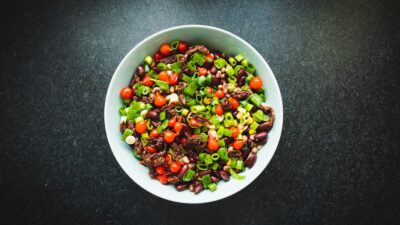
White beans is an umbrella term covering several closely related bean varieties — cannellini, great northern, navy, and (more loosely) lima beans — all members of the Phaseolus vulgaris species or related genera. They share white or cream-colored skin and remarkably similar nutrition profiles: 19-24 g carbohydrate, 5-9 g fiber, 7-8 g protein per half-cup cooked, with glycemic indices clustering in the 28-31 range. The differences are size, texture, and culinary use rather than nutrition. White beans cream and mash easily, making them ideal for dips, soups, and creamy bases. The lack of anthocyanin polyphenols (found in dark-colored beans) is a small disadvantage, but white beans are otherwise excellent diabetes-friendly carbohydrate foods.
The White Bean Family
| White bean (½ cup cooked) | Calories | Carbs (g) | Fiber (g) | Protein (g) | GI | Notes |
|---|---|---|---|---|---|---|
| Cannellini (white kidney) | 110 | 20 | 6 | 8 | ~31 | Italian; large; creamy |
| Great northern beans | 105 | 19 | 6 | 7.5 | ~29 | Medium; French cassoulet |
| Navy beans | 127 | 24 | 9 | 7.5 | ~31 | Smallest; highest fiber; baked beans |
| Lima beans (large) | 108 | 20 | 4.5 | 6 | ~32 | Starchy; Southern American |
| Baby lima beans | 95 | 17 | 5 | 6 | ~32 | Smaller; sweeter |
| Black-eyed peas (technically not white) | 100 | 18 | 5 | 6.5 | ~33 | White with black eye; Southern |
Glycemic Impact
White beans produce flat, modest glucose responses similar to other beans. CGM users typically see peaks 15-30 mg/dL above baseline with a half-cup serving. The combination of soluble fiber, resistant starch, and plant protein produces a slow, sustained curve. The second-meal effect — improved glucose response at subsequent meals — applies to all white beans.
Cannellini Beans
- Italian large white kidney beans.
- Creamy texture; subtle nutty flavor.
- Best for: Italian pasta dishes, salads, soups, dips.
- Classic in: Tuscan white bean salad, pasta e fagioli, minestrone.
- Common Italian brand: Goya cannellini, Bush’s, generic store brands.
Great Northern Beans
- Medium-sized white beans from the great plains region of the US.
- Mild flavor; tender texture; holds shape well.
- Best for: French cassoulet, white bean chicken chili, soups, casseroles.
- Substitute for cannellini in most recipes (slightly less creamy).
- Common brand: Bush’s Best, Goya, generic.
Lima Beans (Butter Beans)
- Larger, flatter shape; starchier and slightly higher GI than other white beans.
- Common in Southern American cuisine; succotash (with corn).
- Fordhook lima beans (large) and baby lima beans (small) are common varieties.
- Often sold frozen; canned versions widely available.
- Per half cup: 20 g carb, 4.5 g fiber, 6 g protein — slightly lower fiber than other white beans.
Cultural Uses Across Cuisines
- Italian: cannellini in pasta e fagioli, minestrone, Tuscan salads.
- French: great northern in cassoulet (slow-cooked with duck, sausage, pork).
- Spanish: fabada asturiana with large white beans (fabes), chorizo, blood sausage.
- Greek: gigantes plaki (giant white beans in tomato sauce).
- American: navy beans in baked beans, white bean chicken chili.
- Southern American: lima beans in succotash, butter beans with ham.
- Middle Eastern: white bean dips similar to hummus.
Easy White Bean Dip Recipe
- Drain and rinse 1 can cannellini or great northern beans.
- Add to food processor with: 2 Tbsp olive oil, 1 Tbsp lemon juice, 1 clove garlic, 1 tsp salt.
- Optional: 1 Tbsp tahini for hummus-like texture, fresh rosemary or thyme.
- Blend until smooth, adding water 1 Tbsp at a time for desired consistency.
- Serve with raw vegetables — diabetes-friendly snack.
- Per 2-tablespoon serving: 50 cal, 7 g carb, 2 g fiber.
- Keeps refrigerated 4-5 days.
Mediterranean Diet Connection
- White beans are a staple of Mediterranean cuisine — Italy, France, Spain, Greece.
- The Mediterranean diet has the strongest evidence base for diabetes and cardiovascular benefit (PREDIMED trial).
- White beans + olive oil + tomato + herbs + lean protein = classic Mediterranean template.
- The combination of plant protein, fiber, and monounsaturated fat from olive oil is particularly effective.
- For adults with type 2 diabetes following Mediterranean patterns, white beans are foundational.
Pairing Strategies
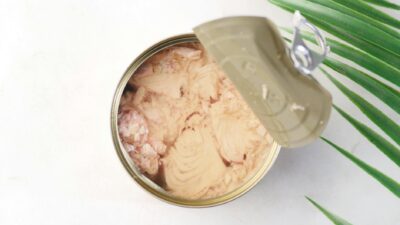
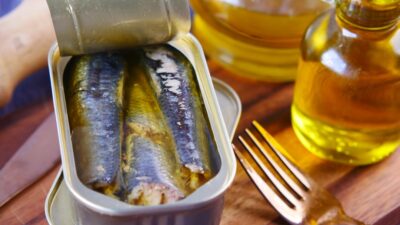
- Cannellini beans + olive oil + lemon + parsley + tuna — Tuscan-style salad.
- Great northern bean white chicken chili with green chiles and cumin.
- White bean and kale soup with garlic and parmesan.
- Pasta e fagioli with whole-wheat pasta and cannellini.
- White bean dip with raw vegetables.
- Greek gigantes plaki with tomato sauce, olive oil, herbs.
- Cassoulet with great northern beans, chicken, and herbs.
Vitamin and Mineral Profile
| Nutrient (½ cup cooked great northern) | Amount | % Daily Value |
|---|---|---|
| Folate | 90 mcg | 23% |
| Manganese | 0.5 mg | 22% |
| Magnesium | 44 mg | 10% |
| Iron | 1.9 mg | 11% |
| Phosphorus | 146 mg | 15% |
| Potassium | 346 mg | 7% |
| Copper | 0.3 mg | 33% |
| Thiamine | 0.1 mg | 10% |
White Beans vs Colored Beans
- Similar carb, fiber, protein, mineral profiles.
- White beans lack anthocyanin polyphenols (found in black, red kidney).
- White beans have a milder, more neutral flavor — versatile across cuisines.
- White beans cream and mash more easily — better for dips and creamy textures.
- Colored beans hold their shape better in salads and chunky dishes.
- For nutrient variety, rotate both white and colored beans through the week.
Cooking Methods
- From dried: soak overnight, drain, simmer 60-90 min depending on variety.
- Pressure cooker: 20-25 min high pressure.
- Slow cooker: cannellini and great northern are safe (lower lectin); 6-8 hr on low.
- Canned: rinse and use; convenient and equivalent to home-cooked.
- Cooled and reheated develops resistant starch.
Who Should Be Careful
- People with IBS — gradual introduction.
- People with chronic kidney disease — moderate potassium and phosphorus.
- People on warfarin — modest vitamin K; consistent intake.
- People watching sodium — choose low-sodium canned or rinse.
- People with G6PD deficiency — fava beans (separate article) are the main concern; cannellini and other white beans generally safe.
Practical Daily Strategies
- Keep canned cannellini and great northern beans as pantry staples.
- Use in 2-3 meals per week across soups, salads, dips, and Mediterranean dishes.
- Make white bean dip as a default snack option.
- Pair with olive oil, herbs, and vegetables for Mediterranean-style meals.
- Rinse canned beans to reduce sodium.
- Rotate with colored beans for nutrient variety.
The Bottom Line
White beans — cannellini, great northern, navy, and lima — share similar diabetes-friendly nutrition profiles with 19-24 g carbohydrate, 5-9 g fiber, 7-8 g protein per half-cup cooked, and glycemic indices clustering in the low-30s. The Jenkins legume substitution trial demonstrated 0.5 percentage point A1C improvements with regular legume consumption. White beans anchor Italian (cannellini), French (great northern in cassoulet), Spanish (fabada), Greek (gigantes plaki), and American (navy in baked beans) cuisines. The creamy texture makes white beans ideal for dips, soups, and creamy bases — white bean dip is an easy diabetes-friendly snack with hummus-like uses. The Mediterranean diet — which has the strongest evidence for diabetes and CV benefit — uses white beans extensively. The lack of anthocyanin polyphenols (found in dark beans) is a small disadvantage easily addressed by rotating both white and colored beans. For adults with type 2 diabetes who tolerate beans, white beans 1-2 times per week provide excellent plant protein and fiber. See our broader diabetes diet guide for the legume framework.