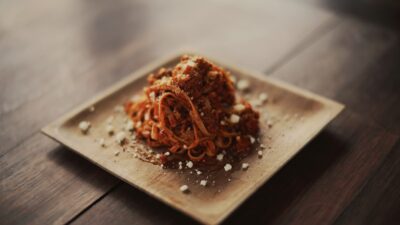
Zucchini noodles (zoodles) are excellent for diabetes meal planning. Per cup, zucchini noodles contain just 4 g carbohydrate with 1 g fiber and 20 calories — virtually no glycemic impact. Substituting zucchini noodles for pasta saves 18 g carbohydrate per cup (4 g vs 22 g for cooked pasta). This is one of the most effective single substitutions for adults with diabetes who enjoy pasta. Zucchini provides vitamin C (24% DV per cup), vitamin A, potassium, and modest fiber. The mild flavor and pasta-like texture work in most pasta preparations — marinara, pesto, olive oil-garlic, vegetable sauces, lean protein. Equipment options range from $10 hand spiralizer to $100+ KitchenAid attachments; pre-spiralized zucchini available at grocery stores for convenience. Preventing watery results: don’t overcook (1-3 minutes total), salt and drain before cooking, pat dry, cook in hot pan, don’t crowd pan, cook separately from sauce, use immediately, or skip cooking and use raw with hot sauce. Diabetes-friendly applications include zoodles with marinara and lean turkey meatballs, pesto zoodles with grilled chicken, garlic-olive oil zoodles with shrimp, half-zoodles half-whole-wheat-pasta combo, Asian-style with peanut sauce, cold zoodle salads, Bolognese over zoodles, and lasagna with zoodles as noodle layers.
Nutrition Comparison
| Pasta/Substitute (1 cup) | Calories | Carbs (g) | Fiber (g) |
|---|---|---|---|
| Zucchini noodles | 20 | 4 | 1 |
| Whole wheat pasta | 175 | 38 | 6 |
| White pasta | 175 | 40 | 2 |
| Chickpea pasta | 200 | 32 | 8 |
| Spaghetti squash | 40 | 10 | 2 |
| Shirataki noodles | 20 | 4 | 4 |
| Cabbage noodles | 25 | 6 | 2 |
| Carrot noodles | 50 | 12 | 3 |
Equipment Options
- Hand spiralizer ($10-20): small countertop or handheld; works for 1-2 zucchini at a time.
- Countertop spiralizer ($30-50): larger; batch preparation; multiple blade options.
- KitchenAid attachment ($50-100): for stand mixer owners.
- Vegetable peeler: makes wider “fettuccine” ribbons.
- Julienne peeler ($10): thinner julienne-style ribbons.
- Mandoline with julienne attachment: precise cuts.
- Pre-spiralized in grocery stores: convenience; higher cost.
- Frozen pre-spiralized zucchini: cooks differently (more watery).
Preventing Watery Zoodles
- Don’t overcook — 1-3 minutes maximum.
- Salt and drain — sprinkle ½ tsp salt per zucchini, let sit 10-20 min, squeeze in towel.
- Pat dry before cooking.
- Cook in hot pan — sears moisture out.
- Don’t crowd pan — cook in batches if needed.
- Cook separately from sauce — combine just before serving.
- Use immediately — don’t sit on plate.
- Or skip cooking entirely — use raw or briefly warmed.
- Smaller blade (thinner noodles) releases less water.
- Choose firm, fresh zucchini.
Diabetes-Friendly Recipe Ideas
- Zoodles with marinara and lean turkey meatballs.
- Pesto zoodles with grilled chicken.
- Garlic-olive oil zoodles with shrimp.
- Half-zoodles + half whole wheat pasta with bolognese.
- Asian-style zoodles with peanut sauce and chicken.
- Cold zoodle salad with vegetables and vinaigrette.
- Zoodle soup additions (add at end of cooking).
- Zoodle “carbonara” with eggs, parmesan, small bacon amount.
- Bolognese over zoodles.
- Zoodle Pad Thai (alternative to rice noodles).
- Lasagna with zoodles as noodle layers between meat-vegetable filling.
- Stir-fried zoodles with garlic, herbs, lemon.
- Zoodle “noodle bowls” with broth, protein, herbs.
Cooking Methods
- Sauté: hot pan with oil; 1-3 min until just tender.
- Stir-fry: high heat with garlic, ginger; 1-2 min.
- Raw: warmed by hot sauce poured over.
- Microwave: 1-2 min; quickly heat through.
- Air fryer: 8-10 min at 350°F for slightly crispy texture.
- Boiled briefly: 1 min in salted water; drain immediately.
- Roasted: 400°F for 8-10 min; sticks together more (rustic texture).
Half-and-Half Strategy
- Combine half whole wheat pasta + half zoodles.
- Reduces carbs by ~50% while maintaining pasta satisfaction.
- Add zoodles to drained pasta in last 1 min of cooking.
- Toss with sauce.
- Easier transition for adults reluctant to switch entirely.
- Works for various pasta dishes.
- Useful for family meals where some prefer traditional pasta.
Buying and Storing Zucchini
- Choose small to medium zucchini (6-8 inches) — more tender; less seedy.
- Firm with smooth, dark green skin.
- Avoid soft or wrinkled zucchini.
- Refrigerate 1 week unwashed.
- Pre-spiralized: use within 2-3 days.
- Frozen pre-spiralized: cooks more watery; use directly in soups, sauces.
- Yellow squash works similarly to zucchini.
- Other spiralizable vegetables: carrots, beets, butternut squash, sweet potato, cucumber.
The Bottom Line
Zucchini noodles (zoodles) are excellent for diabetes meal planning. Per cup, zucchini noodles contain just 4 g carbohydrate with 1 g fiber and 20 calories — virtually no glycemic impact. Substituting zucchini noodles for pasta saves 18 g carbohydrate per cup (4 g vs 22 g for cooked pasta). This is one of the most effective single substitutions for adults with diabetes who enjoy pasta. Zucchini provides vitamin C (24% DV per cup), vitamin A, potassium, and modest fiber. Equipment options range from $10 hand spiralizer to $100+ KitchenAid attachments; pre-spiralized zucchini available at grocery stores for convenience. Preventing watery results: don’t overcook (1-3 minutes maximum), salt and drain before cooking, pat dry, cook in hot pan, don’t crowd pan, cook separately from sauce, use immediately, or skip cooking and use raw with hot sauce. Cooking methods include sauté (1-3 min), stir-fry, raw with hot sauce, brief microwave, air fryer, or briefly boiled. Diabetes-friendly applications include zoodles with marinara and lean turkey meatballs, pesto zoodles with grilled chicken, garlic-olive oil zoodles with shrimp, half-zoodles half-whole-wheat-pasta combo (50% carb reduction with pasta satisfaction), Asian-style with peanut sauce, cold zoodle salads, Bolognese over zoodles, lasagna with zoodles as noodle layers, and zoodle Pad Thai. Half-and-half strategy (zoodles + traditional pasta) is useful for transitioning adults or family meals where some prefer traditional pasta. Choose small to medium firm zucchini (6-8 inches) — more tender, less seedy. Other spiralizable vegetables: yellow squash, carrots, beets, cucumber. For adults with type 2 diabetes seeking to enjoy pasta-style meals with significantly lower carbohydrate impact, zucchini noodles are an excellent option. See our broader diabetes diet guide for context.