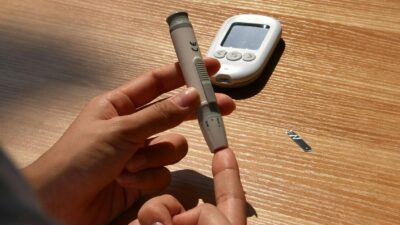
An A1C of 6 (6.0%) sits in the prediabetes range — above normal but below the 6.5% threshold for type 2 diabetes. It corresponds to an estimated average glucose of about 126 mg/dL over the past two to three months. It is a meaningful warning sign, but one that responds strongly to lifestyle change.
What A1C 6.0 Means
The American Diabetes Association classifies A1C results as follows:
| A1C (%) | Category | Estimated Average Glucose (mg/dL) |
|---|---|---|
| Below 5.7 | Normal | Below 117 |
| 5.7-5.9 | Early prediabetes | 117-123 |
| 6.0 | Mid prediabetes | Approximately 126 |
| 6.1-6.4 | Higher-risk prediabetes | 129-137 |
| 6.5 or above | Diabetes | 140 or above |
At 6.0%, your pancreas is still producing insulin, but your cells are responding to it less efficiently (insulin resistance). Over time, unchecked insulin resistance can push the pancreas past its ability to keep glucose in range.
Why A1C 6.0 Is a Turning Point
Research from the CDC’s National Diabetes Prevention Program shows that without intervention, roughly 15 to 30% of people with prediabetes develop type 2 diabetes within five years. The risk rises with higher A1C values within the prediabetes window — meaning 6.0 carries more risk than 5.7.
The good news: the landmark Diabetes Prevention Program showed that modest weight loss (5 to 7% of body weight) combined with 150 minutes of weekly physical activity cut progression by 58% over three years. Metformin alone cut it by 31%. The lifestyle effect was even stronger in people over 60.
How to Lower an A1C of 6.0
Weight Loss
Losing 10 to 20 pounds (for many adults, 5 to 7% of body weight) improves insulin sensitivity substantially. A1C often drops 0.3 to 0.5 points within three months of meaningful weight loss.
Physical Activity
Aim for 150 minutes per week of moderate intensity (brisk walking, cycling) plus two sessions of resistance training. Even a 10-minute walk after each meal has been shown to lower post-meal glucose.
Nutrition
Evidence supports:
- Filling half your plate with non-starchy vegetables
- Shifting carbohydrates toward beans, lentils, whole grains, and fruit
- Keeping refined carbohydrates and sugar-sweetened beverages to a minimum
- Including lean protein at each meal
- Choosing Mediterranean or DASH-style patterns, both of which show strong outcomes
See our diet and nutrition section for meal-planning frameworks.
Sleep and Stress
Less than 7 hours of sleep is associated with higher insulin resistance. Chronic stress raises cortisol and glucose. Mindfulness-based programs and consistent sleep routines are evidence-supported adjuncts.
Medication (If Appropriate)
Metformin is the best-studied medication for prediabetes. The ADA suggests it may be considered for:
- Adults under 60 with BMI of 35 or higher
- Women with a history of gestational diabetes
- People whose A1C keeps rising despite 3 to 6 months of lifestyle change
GLP-1 medications are not typically used for prediabetes alone but may be considered in specific cases of obesity or cardiovascular risk.
A Realistic Three-Month Plan
| Week | Focus Area | Specific Goal |
|---|---|---|
| 1-2 | Baseline | Track food, steps, and sleep. Lab: fasting lipids, basic metabolic panel. |
| 3-4 | Nutrition | Add 1 cup of vegetables to lunch and dinner. Cut liquid sugar to zero. |
| 5-6 | Movement | Walk 20 minutes after the largest meal. Start two short strength sessions. |
| 7-8 | Sleep & stress | Set a consistent bedtime. Add a daily 10-minute stress reset. |
| 9-10 | Refinement | Swap one refined-carb meal per day for a legume or whole-grain option. |
| 11-12 | Reassess | Repeat A1C, fasting glucose, and weight with your clinician. |
What the Research Says About Reversibility
A1C 6.0 is often reversible with sustained change. Whether prediabetes is reversible for any given person depends on weight change, activity, sleep, medications, and genetics. Staying in the normal range long-term is what matters most — a single normal A1C does not guarantee permanent protection.
Common Myths About A1C 6.0
- “I feel fine, so it can’t be that bad.” Prediabetes is usually silent. Damage to blood vessels can begin before diabetes is diagnosed.
- “A no-carb diet is the only way.” Many eating patterns lower A1C. Mediterranean, DASH, and plant-forward diets have strong evidence.
- “Once A1C goes up, it only goes up.” Significant decreases are well-documented in both trials and real-world data.
- “Medication is always needed.” Many people normalize A1C with lifestyle change alone, especially at 6.0%.
When to Talk to Your Doctor
Schedule a visit if:
- Your A1C is 6.0 or higher and you have not had a formal risk review
- You have symptoms of high glucose — increased thirst, frequent urination, unexplained weight loss
- You have additional risk factors (family history, PCOS, gestational diabetes history, hypertension)
- You want guidance on whether a CDC-recognized National Diabetes Prevention Program is right for you
The Bottom Line
An A1C of 6.0 is a prediabetes-range result that lands closer to diabetes than to normal. It is not a diagnosis of diabetes, but it is a clear nudge to act while intervention is most effective. Weight change, movement, nutrition quality, sleep, and stress management — combined with regular follow-up and, if needed, medication — can drop A1C back toward the normal range for many people. The best step is the one you can keep doing next month.