The A1C test is a simple blood test that measures your average blood sugar over the past 2-3 months. It does not require fasting, takes only a few minutes to draw, and is used to screen for prediabetes, diagnose diabetes, and monitor treatment. A normal A1C is below 5.7%.
What the A1C Test Measures
A1C (also called HbA1c, glycated hemoglobin, or glycohemoglobin) measures the percentage of hemoglobin proteins in your red blood cells that have glucose attached to them. The more glucose circulating in your blood, the more attaches. Because red blood cells live about 120 days, the test reflects average glucose over the past 2-3 months — with the most recent month weighted most heavily.
A1C Result Categories
| A1C Result | Category | Estimated Average Glucose |
|---|---|---|
| Below 5.7% | Normal | Less than 117 mg/dL |
| 5.7-6.4% | Prediabetes | 117-137 mg/dL |
| 6.5% or higher | Diabetes | 140 mg/dL or higher |
Diabetes diagnosis usually requires two A1C results of 6.5% or higher, or one A1C result plus a confirmatory fasting glucose. Learn more in our A1C levels guide.
How the Test Is Done
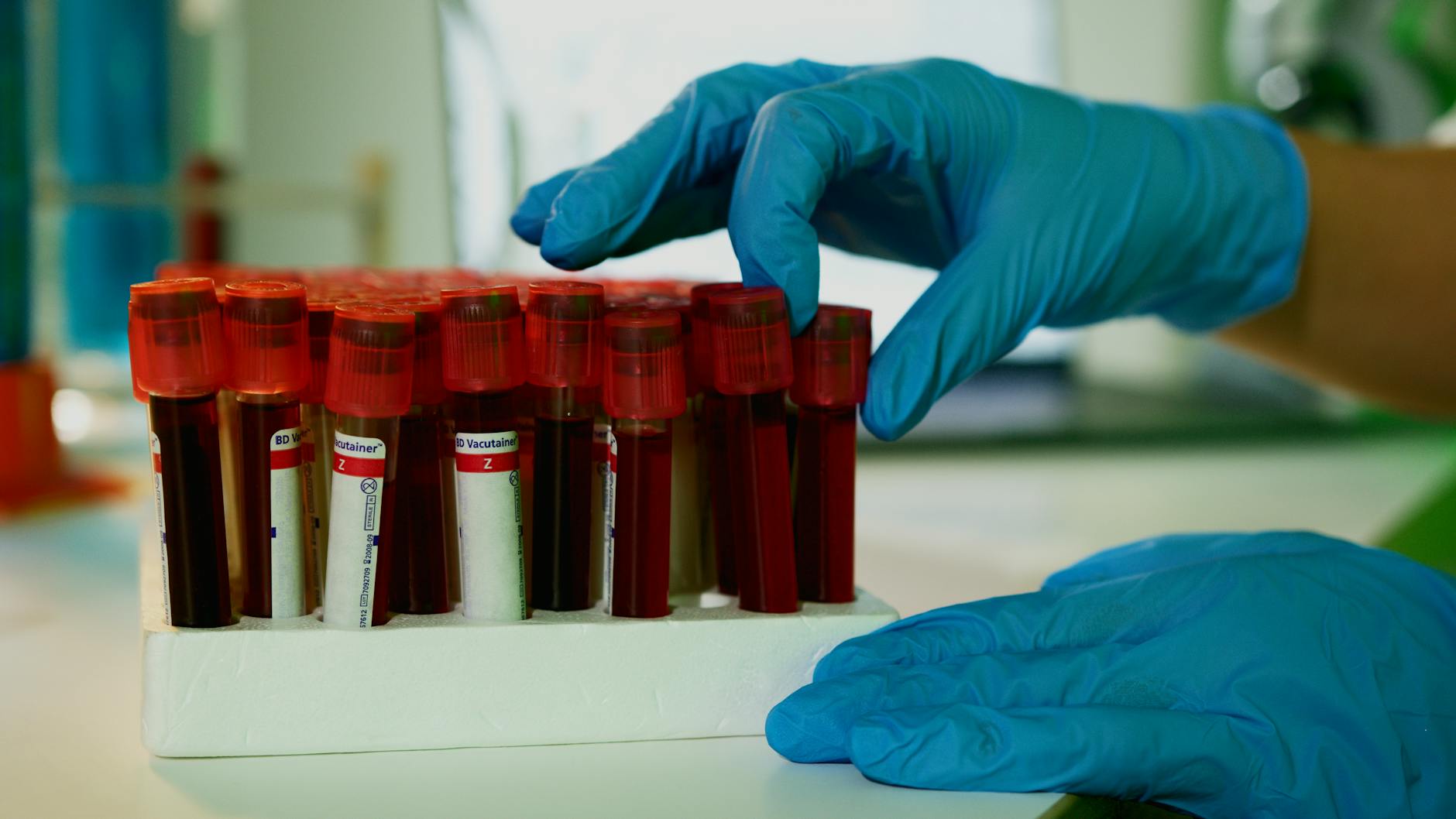
- Lab draw — A phlebotomist takes a small blood sample from a vein in your arm. The sample is sent to a lab.
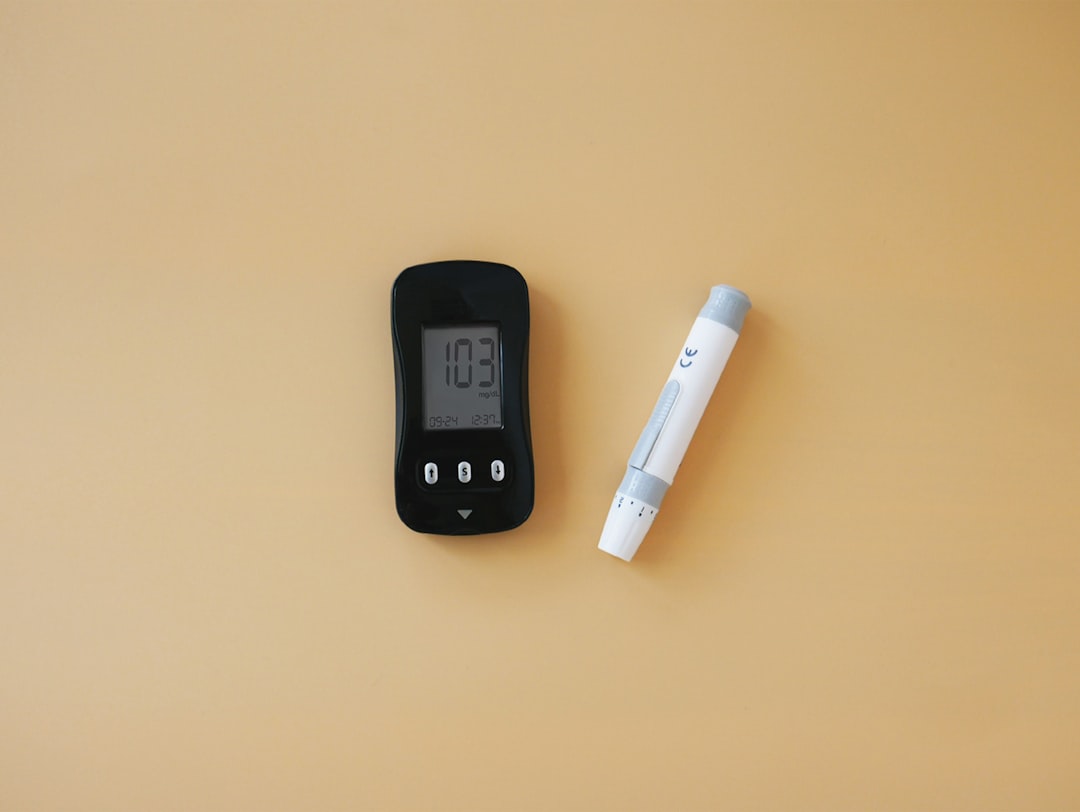
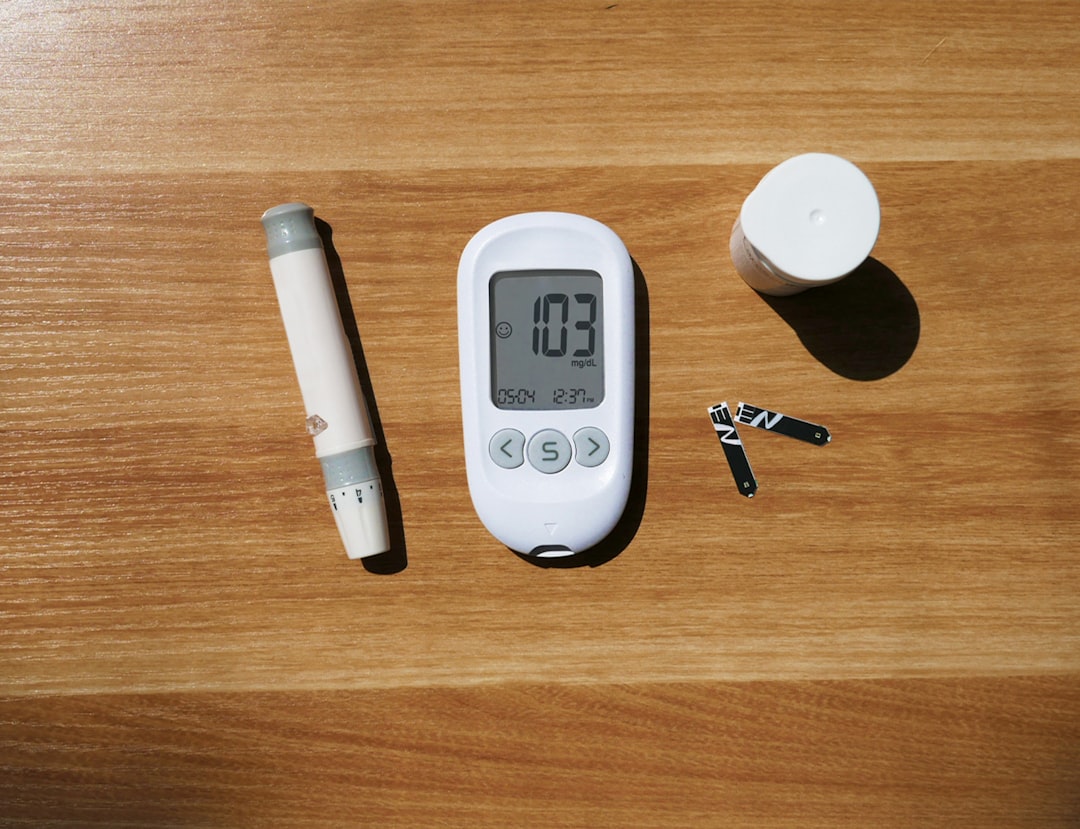
- Point-of-care test — A few drops from a finger prick are processed by an in-office analyzer. Result in 5-10 minutes.
- Home test kit — You collect a finger-prick sample and mail it to a lab, or use a handheld analyzer.
The test takes less than 5 minutes. There is no fasting requirement and no special diet beforehand.
How to Prepare
Almost no preparation is needed:
- Eat and drink normally.
- Take your usual medications unless your doctor instructs otherwise.
- Mention any blood transfusions in the past 3 months.
- Tell your doctor if you have anemia, sickle cell trait or disease, or are pregnant — these can skew results.
- Wear a short-sleeve shirt for arm draws.
How Often Should You Get an A1C Test
| Your Status | Recommended Frequency |
|---|---|
| No risk factors, normal A1C | Every 3 years starting at age 35 |
| Risk factors (overweight, family history, etc.) | Every 1-3 years |
| Prediabetes | Annually |
| Diabetes, on target | Every 6 months |
| Diabetes, not on target or recent change | Every 3 months |
| Pregnancy | Per OB schedule (often each trimester) |
The CDC recommends adults at any age with overweight and one additional risk factor be screened.
What Affects Your A1C Result
- Average glucose over the past 2-3 months — the main driver.
- Anemia — iron-deficiency anemia can falsely raise A1C; hemolytic anemia lowers it.
- Pregnancy — alters red blood cell turnover.
- Recent blood transfusion.
- Hemoglobin variants — sickle cell trait, thalassemia.
- Chronic kidney or liver disease.
- High-dose vitamin C or E.
- Certain HIV or chemotherapy medications.
What to Do After Your Result
Normal (Under 5.7%)
Continue healthy habits: balanced diet, 150 minutes of weekly activity, healthy weight. Re-test in 1-3 years depending on risk.
Prediabetes (5.7-6.4%)
Up to 70% of people with prediabetes go on to develop type 2 diabetes if untreated, but it can be reversed. Aim for 5-7% weight loss, 150 minutes of weekly activity, and a fiber-rich diet. Ask about a Diabetes Prevention Program (DPP) — covered by Medicare and many insurers. See our guide to reversing prediabetes.
Diabetes (6.5% or Higher)
Your doctor will confirm with a second test, then discuss medication (often metformin), lifestyle changes, and follow-up monitoring. Most adults with type 2 diabetes target an A1C of less than 7.0%, individualized by age and other conditions per the American Diabetes Association.
Cost and Insurance
- Lab without insurance: $30-$80 typically.
- Direct-to-consumer labs (e.g., Quest, Labcorp portals): $9-$30.
- Home test kits: $30-$50, usually with 2 tests included.
- Insurance: Most US plans cover annual A1C screening for at-risk adults under preventive care.
- Medicare: Covers diabetes screening twice per year for those with risk factors.
A1C vs. Other Glucose Tests
| Test | What It Measures | Fasting? | Diagnostic Cutoff (Diabetes) |
|---|---|---|---|
| A1C | 3-month average glucose | No | 6.5% or higher |
| Fasting plasma glucose | Glucose right now | Yes (8 hr) | 126 mg/dL or higher |
| 2-hr OGTT | Glucose 2 hr after 75 g sugar drink | Yes | 200 mg/dL or higher |
| Random plasma glucose | Glucose at any moment | No | 200 mg/dL with symptoms |
The Bottom Line
The A1C test is the most convenient way to check your average blood sugar. It needs no fasting, takes minutes, and gives a single percentage that tells you whether you’re in the normal, prediabetes, or diabetes range. If you’re 35 or older, or younger with risk factors, ask your doctor for an A1C this year. A reading of 5.7% or higher is a chance to act early — most prediabetes can be reversed with modest lifestyle changes.