Glycosylated hemoglobin — also called HbA1c, A1C, or glycated hemoglobin — is a blood test that measures the percentage of your hemoglobin proteins that have glucose permanently attached. The result reflects your average blood sugar over the past 2-3 months and is used to screen for prediabetes, diagnose diabetes, and monitor long-term glucose control.
How Glycosylated Hemoglobin Forms
Hemoglobin is the protein inside red blood cells that carries oxygen through the body. When glucose circulates in the bloodstream, a small fraction binds irreversibly to hemoglobin in a process called glycation. The higher the glucose, the more glycation occurs.
Because red blood cells live about 120 days before being recycled, the percentage of glycated (or “glycosylated”) hemoglobin at any moment reflects glucose exposure over the previous 2-3 months — with the most recent month counting slightly more heavily than earlier months.
Normal and Abnormal Ranges
| Glycosylated Hemoglobin (%) | Category | Estimated Average Glucose | Action |
|---|---|---|---|
| Below 5.7% | Normal | Below 117 mg/dL | Maintain healthy habits |
| 5.7% – 6.4% | Prediabetes | 117-137 mg/dL | Lifestyle change to reverse |
| 6.5% – 6.9% | Diabetes — early | 140-152 mg/dL | Confirm, treat, set goals |
| 7.0% – 7.9% | Diabetes — standard goal range | 154-180 mg/dL | Most adults with diabetes target here |
| 8.0% – 9.9% | Diabetes — elevated | 183-239 mg/dL | Needs active adjustment |
| 10.0% or higher | Diabetes — uncontrolled | 240+ mg/dL | Urgent medical review |
Thresholds are set by the American Diabetes Association. See our detailed A1C levels guide for what each range means and specific next steps.
How the Test Is Performed
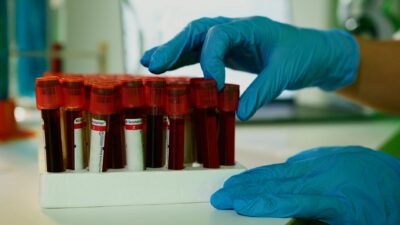
Glycosylated hemoglobin is measured from a single blood sample, usually drawn from a vein in the arm. Unlike fasting glucose, no fasting is required — you can eat and drink normally. Some clinics use a finger-stick point-of-care machine that returns results in 5-10 minutes.
The NIDDK notes that HbA1c can be drawn at any time of day and doesn’t depend on recent meals, exercise, or caffeine. The best test is one done in a lab certified by the National Glycohemoglobin Standardization Program (NGSP), which ensures consistency across labs worldwide.
Factors That Affect Glycosylated Hemoglobin Accuracy
HbA1c is generally reliable, but certain conditions can falsely raise or lower it:
- Iron-deficiency anemia: Can falsely raise HbA1c.
- Hemolytic anemia, recent blood loss, or transfusion: Can falsely lower HbA1c.
- Hemoglobin variants (sickle cell trait, thalassemia, HbE): Interfere with some assay methods.
- Chronic kidney disease: Alters red blood cell turnover and can distort results.
- Pregnancy (2nd-3rd trimester): Increased red cell turnover lowers HbA1c.
- High-dose vitamin C or E: Can produce falsely low readings in some assays.
- Severe chronic liver disease: Affects glucose metabolism and hemoglobin.
If any of these apply, your doctor may use alternative tests like fructosamine, fasting glucose, or CGM-derived GMI instead.
Why Glycosylated Hemoglobin Matters
HbA1c is the strongest single predictor of long-term diabetes complications, including:
- Retinopathy (eye disease)
- Nephropathy (kidney disease)
- Neuropathy (nerve damage)
- Cardiovascular disease
- Slow wound healing and foot ulcers
Research consistently shows that every 1-percentage-point drop in HbA1c reduces the risk of microvascular complications by roughly 30%. That’s why keeping glycosylated hemoglobin in target is a core pillar of diabetes care.
How to Lower Elevated Glycosylated Hemoglobin
1. Nutrition
- Minimize added sugar, sugary drinks, and refined flour
- Build meals around non-starchy vegetables, lean protein, and healthy fats
- Include fiber-rich foods (beans, oats, berries) at each meal
- Watch portion sizes of starches like rice, pasta, and bread
See our diet and nutrition guide for specific meal strategies.
2. Physical Activity
Aim for 150 minutes of moderate aerobic activity per week, plus 2 strength sessions. Walking 10-15 minutes after meals is especially effective for reducing post-meal glucose spikes.
3. Weight Management
Losing just 5-7% of body weight can significantly improve insulin sensitivity and lower HbA1c. For someone weighing 200 pounds, that’s 10-14 pounds.
4. Sleep and Stress
Chronic stress and short sleep raise cortisol and insulin resistance, pushing HbA1c up. Aim for 7-9 hours of sleep and use stress-management techniques like walking, yoga, or meditation.
5. Medication When Appropriate
If lifestyle isn’t enough, medications like metformin, GLP-1 receptor agonists, or SGLT2 inhibitors can help — especially for those with prediabetes plus additional risk factors or established diabetes.
How Often to Check Glycosylated Hemoglobin
- Adults 35+ with no diabetes: every 3 years if normal
- Prediabetes: every 1-2 years
- Diabetes, stable and at goal: every 6 months
- Diabetes, newly diagnosed or adjusting treatment: every 3 months
Testing more often than every 3 months rarely adds new information because HbA1c is a rolling 2-3 month average.
If your result comes back in the prediabetes range, remember that prediabetes is reversible with consistent lifestyle change.
The Bottom Line
Glycosylated hemoglobin — the same test as HbA1c or A1C — measures your average blood sugar over the past 2-3 months by quantifying the fraction of hemoglobin that has bonded with glucose. A normal result is below 5.7%, prediabetes is 5.7-6.4%, and diabetes starts at 6.5%. No fasting is required. Because the test reflects long-term trends and strongly predicts complications, it’s one of the most important numbers in diabetes screening and management. If yours is elevated, small sustained changes in diet, activity, weight, and sleep can lower glycosylated hemoglobin by 0.5-2 percentage points within 3-6 months.