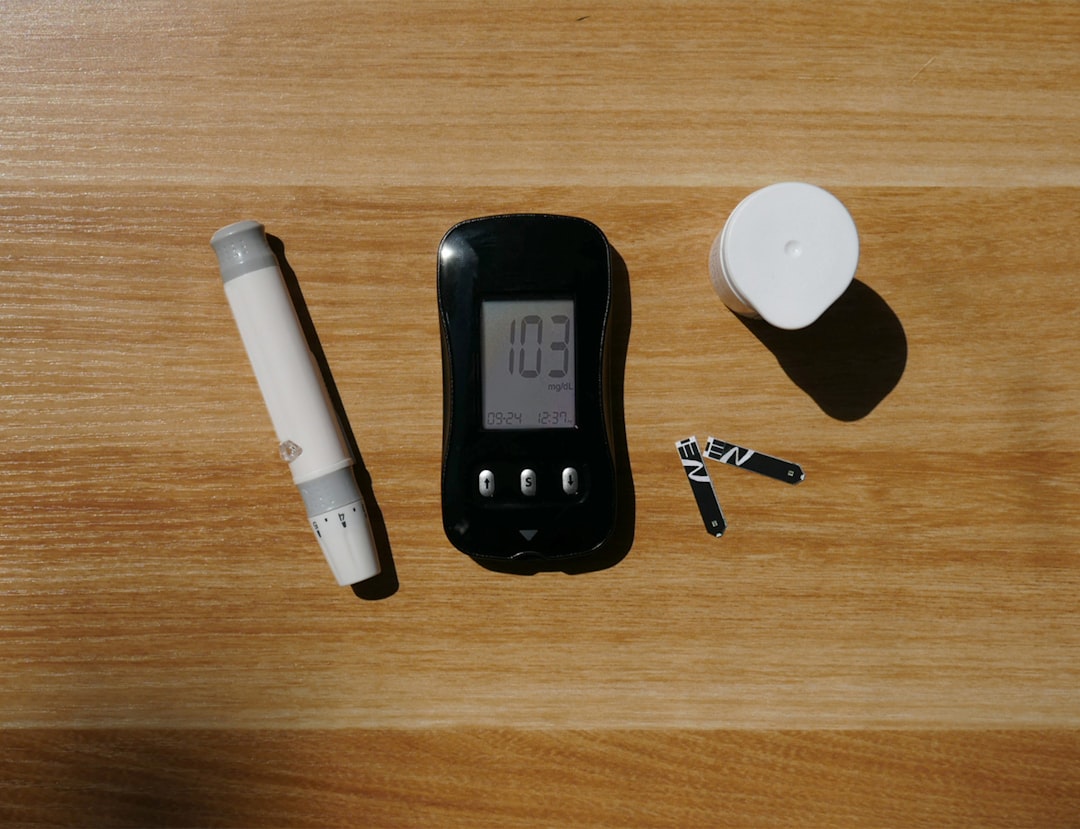
Yes, diabetes can cause erectile dysfunction. Chronically elevated blood sugar damages both the nerves and blood vessels that are essential for erections, making ED one of the most common — yet least discussed — complications of diabetes.
How Diabetes Causes Erectile Dysfunction
Achieving and maintaining an erection requires a precise chain of events: sexual arousal signals the brain, nerves relay those signals to the penis, and blood vessels dilate to increase blood flow. Diabetes can disrupt this process at multiple points.
Nerve Damage (Diabetic Neuropathy)
Chronically high blood sugar damages small nerve fibers throughout the body — a condition called diabetic neuropathy. When the nerves that signal arousal and control blood flow to the penis are affected, the brain’s signals may not reach their target effectively. This results in difficulty achieving or maintaining an erection, even when desire is present.
Blood Vessel Damage (Vascular Dysfunction)
Elevated blood sugar also damages the endothelium — the inner lining of blood vessels. According to the National Institute of Diabetes and Digestive and Kidney Diseases, this damage reduces the production of nitric oxide, a molecule that relaxes blood vessels and allows increased blood flow to the penis. Without adequate nitric oxide, blood flow is insufficient for a firm erection.
Hormonal Changes
Men with diabetes are more likely to have lower testosterone levels, which can reduce sexual desire and contribute to erectile difficulties. Insulin resistance, inflammation, and excess body fat — all common in diabetes — can suppress testosterone production.
How Common Is Diabetes-Related ED?
Erectile dysfunction is significantly more prevalent among men with diabetes compared to the general population. The numbers paint a clear picture:
| Factor | Men with Diabetes | General Population |
|---|---|---|
| Overall ED prevalence | 35-75% | ~26% |
| Average age of onset | 10-15 years earlier | Typically after 50 |
| ED severity | Often more severe | Varies widely |
| Response to oral medications | Somewhat lower | ~70% success rate |
Several factors influence the severity and likelihood of diabetes-related ED:
- Duration of diabetes: The longer you have had diabetes, the higher the risk.
- Blood sugar control: Consistently elevated A1C levels accelerate nerve and vascular damage.
- Age: Risk increases with age, compounding the effects of diabetes.
- Other health conditions: High blood pressure, high cholesterol, and obesity worsen the problem.
- Smoking: Tobacco use further damages blood vessels and significantly raises ED risk.
ED as a Warning Sign
This is something many men do not realize: erectile dysfunction can be an early indicator of broader cardiovascular problems. The blood vessels in the penis are smaller than those in the heart, so damage there often shows up first. Research suggests that ED may precede a cardiovascular event by three to five years.
If you develop ED — whether or not you have a diabetes diagnosis — it is worth asking your doctor to check your blood sugar, A1C levels, blood pressure, and cholesterol. Catching prediabetes or cardiovascular risk factors early can be lifesaving.
Prevention: Protecting Erectile Function
The most effective approach to diabetes-related ED is prevention. Many of the same strategies that help manage blood sugar also protect the nerves and blood vessels involved in sexual function.
Blood Sugar Control
Keeping your A1C within your target range is the single most important thing you can do. Even modest improvements in blood sugar control can slow or prevent the nerve and vascular damage that leads to ED. Work with your healthcare team to find the right combination of medication, diet, and exercise for your situation.
Diet and Exercise
A heart-healthy diet that emphasizes vegetables, whole grains, lean proteins, and healthy fats supports both blood sugar management and cardiovascular health. Regular physical activity — at least 150 minutes per week of moderate exercise — improves blood flow, helps with weight management, and has been shown to improve erectile function independently.
A balanced diet that supports blood sugar control naturally benefits sexual health as well.
Other Lifestyle Factors
- Quit smoking: Smoking doubles the risk of ED by damaging blood vessels. Quitting can improve blood flow within weeks.
- Limit alcohol: Excessive alcohol use can worsen both blood sugar control and erectile function.
- Manage stress: Chronic stress and anxiety contribute to both high blood sugar and sexual difficulties. Consider stress management techniques or counseling if needed.
- Maintain a healthy weight: Excess weight worsens insulin resistance and lowers testosterone.
Treatment Options for Diabetes-Related ED
If prevention is no longer sufficient, several effective treatments are available. Many men find significant improvement with the right approach or combination of approaches.
Oral Medications (PDE5 Inhibitors)
Medications like sildenafil (Viagra), tadalafil (Cialis), and vardenafil (Levitra) are typically the first line of treatment. They work by enhancing the effects of nitric oxide, improving blood flow to the penis. While success rates may be somewhat lower in men with diabetes compared to the general population, these medications help many men with diabetes achieve satisfactory erections.
Testosterone Replacement Therapy
If blood tests confirm low testosterone, replacement therapy (via gels, patches, or injections) may improve both desire and erectile function. This is sometimes used in combination with PDE5 inhibitors for men who do not respond adequately to oral medications alone.
Vacuum Erection Devices
A vacuum device uses a pump to draw blood into the penis, which is then held in place with a constriction ring. This is a non-medication option that works regardless of the underlying cause. Many men with diabetes find it effective, though it requires some practice.
Penile Injections and Urethral Suppositories
Alprostadil can be injected directly into the penis or inserted as a suppository. It works by relaxing blood vessel muscles and increasing blood flow. These options are effective for many men who do not respond to oral medications.
Penile Implants
For men who do not respond to other treatments, a surgically implanted device can provide a reliable solution. Modern implants have high satisfaction rates (85-95%) and are designed to be invisible when not in use. This option is typically considered when other approaches have been unsuccessful.
When to See a Urologist
While your primary care doctor or endocrinologist can initiate ED treatment, consider seeing a urologist if:
- Oral medications have not been effective after adequate trials
- You want a comprehensive evaluation of blood flow and nerve function
- You are interested in advanced treatment options
- ED is accompanied by other urinary symptoms
- You want to discuss surgical options
There is no reason to feel embarrassed about raising this topic with any healthcare provider. ED is a medical condition, and doctors who work with diabetic patients discuss it routinely.
The Emotional Impact
Erectile dysfunction can affect self-esteem, relationships, and mental health. It is important to recognize that ED is a physical complication of diabetes — not a personal failing. Open communication with your partner and, if needed, a mental health professional can make a meaningful difference.
Depression is more common in men with both diabetes and ED, and depression itself can worsen sexual function. If you are experiencing persistent low mood alongside ED, talk to your doctor about screening for depression. Treating both conditions together leads to better outcomes.
Connecting ED to Overall Health
Managing erectile dysfunction is not just about sexual health — it is part of managing your overall metabolic health. The same steps that protect your erections protect your heart, kidneys, eyes, and nerves. Think of ED prevention as one more reason to stay on top of your blood sugar, exercise regularly, and maintain a healthy lifestyle.
The Bottom Line
Diabetes-related erectile dysfunction affects a significant number of men, but it is both preventable and treatable. Good blood sugar control is the foundation of prevention, and multiple effective treatments exist for those already experiencing ED. If you notice changes in erectile function, talk to your doctor sooner rather than later — early intervention leads to better outcomes, and ED may also signal other cardiovascular risks that deserve attention.