Treating diabetic neuropathy has two parallel goals: slow the underlying nerve damage, and manage the symptoms that interfere with sleep, function, and quality of life. The first goal depends mostly on glycemic, blood pressure, and lipid control. The second goal uses a tiered approach to medications, topical therapies, advanced interventions, and supportive care — and almost always works best as a combination rather than a single drug.
The Treatment Framework
| Goal | Approach |
|---|---|
| Slow progression | A1C target, blood pressure under 130/80, lipid management, smoking cessation, exercise, B12 repletion if low |
| Pain control — first-line | Duloxetine, pregabalin, gabapentin, amitriptyline |
| Pain control — topical | Capsaicin 8% patch, capsaicin cream, lidocaine 5% patch |
| Pain control — second-line | Tapentadol, tramadol, combination therapy |
| Pain control — advanced | Spinal cord stimulation; specialty pain center referral |
| Foot protection | Daily inspection, properly fitted shoes, podiatry, orthotics |
| Autonomic features | Targeted therapy (orthostatic, gastroparesis, sweating, sexual) |
| Quality of life | Treat depression and sleep disturbance; physical therapy; balance work |
Glycemic Control as Treatment
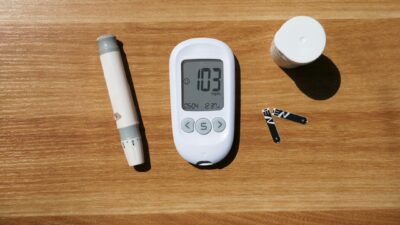
Steady, individualized glycemic control reduces progression of neuropathy and reduces the rate of foot complications. Targets are personalized: under 7 percent A1C is common for healthier adults, with looser targets (under 8) for older adults or those with limited life expectancy or high hypoglycemia risk. Continuous glucose monitor metrics — time in range, time below range, glucose variability — increasingly guide therapy. Glycemic control alone does not generally reverse established pain, but combined with symptom therapy it improves outcomes.
First-Line Medications for Painful Diabetic Neuropathy
Duloxetine (Cymbalta)
- Serotonin-norepinephrine reuptake inhibitor (SNRI)
- FDA-approved for painful diabetic peripheral neuropathy
- Typical dose 60 mg/day, sometimes 30 mg starting
- Benefits: pain relief plus possible mood benefit
- Common side effects: nausea, dry mouth, somnolence, dizziness, constipation
- Caution: hepatic disease, drug interactions (other serotonergic agents)
Pregabalin (Lyrica)
- Alpha-2-delta calcium channel ligand
- FDA-approved for painful diabetic peripheral neuropathy
- Typical starting dose 75 mg twice daily, titrated to effect (max 300 mg/day for neuropathic pain)
- Benefits: rapid onset (often within 1 week)
- Common side effects: dizziness, somnolence, peripheral edema, weight gain
- Schedule V controlled substance
Gabapentin (Neurontin)
- Similar mechanism to pregabalin but without FDA labeling for diabetic neuropathy
- Typical dose range 900 to 3,600 mg/day in 3 divided doses
- Lower cost than pregabalin in most plans
- Side effects: dizziness, somnolence, peripheral edema, fatigue
- Reduced doses required with kidney impairment
Amitriptyline and Other TCAs
- Tricyclic antidepressant
- Typical dose 10 to 75 mg at bedtime
- Effective and inexpensive
- Side effects more limiting in older adults: dry mouth, constipation, urinary retention, orthostatic hypotension, sedation, weight gain, cardiac conduction effects
- Nortriptyline and desipramine have somewhat better side-effect profiles
The American Academy of Neurology’s 2022 guideline treats these as a single tier — clinicians choose based on side-effect profile, comorbidities, and cost.
Topical Therapies
Capsaicin 8% Patch (Qutenza)
- High-concentration patch applied in a clinical setting for 30 minutes
- FDA-approved for painful diabetic peripheral neuropathy of the feet
- Pretreatment with topical anesthetic recommended
- Pain relief can last up to 3 months from a single application
- Burning, redness at application site are common
Capsaicin Cream
- Lower concentration (0.025 to 0.075 percent), applied 3 to 4 times daily for at least 4 weeks
- Available over the counter
- Initial burning sensation typically diminishes with continued use
Lidocaine 5% Patch
- Worn up to 12 hours per day
- Effective for localized neuropathic pain with minimal systemic absorption
- Helpful when other systemic medications are not tolerated
Second-Line and Combination Therapy
Tapentadol
- Mu-opioid agonist with norepinephrine reuptake inhibition
- FDA-approved for painful diabetic peripheral neuropathy
- Schedule II controlled substance — used selectively
Tramadol
- Mu-opioid receptor binding plus monoamine reuptake inhibition
- Schedule IV
- Side effects: nausea, constipation, dizziness; serotonin-syndrome risk with other serotonergic drugs; seizure risk
Combination Therapy
When one first-line medication does not give adequate relief, adding a second from a different class is often more effective than escalating one drug. Common combinations include:
- Duloxetine plus pregabalin or gabapentin
- An antidepressant plus a topical agent (lidocaine or capsaicin)
- A first-line systemic agent plus capsaicin 8% patch
Advanced Therapies
Spinal Cord Stimulation
For severe pain refractory to medical therapy, traditional and high-frequency (10 kHz) spinal cord stimulation systems have FDA approval for painful diabetic peripheral neuropathy. Recent trials, including the SENZA-PDN study of 10 kHz stimulation, showed substantial pain relief in patients who had failed multiple medications. The procedure is reversible — a trial lead is placed first, and a permanent implant follows if the trial is successful.
Ketamine Infusions
Used in specialty pain settings for severe refractory neuropathic pain. Limited long-term data; access is variable.
Botulinum Toxin Injections
Subcutaneous injections have shown benefit in small randomized trials, particularly for localized neuropathic pain.
Non-Pharmacologic Treatments
Alpha-Lipoic Acid
An antioxidant available over the counter in the U.S. Several European trials suggest pain reduction at 600 mg/day, particularly with intravenous use. Oral evidence is more modest. Not standard of care but sometimes used as an adjunct.
Acupuncture
Small randomized trials suggest benefit for painful neuropathy. Generally safe in experienced hands.
Transcutaneous Electrical Nerve Stimulation (TENS)
Inexpensive, low-risk option; modest evidence for pain reduction in some patients.
Physical Therapy
Improves balance, gait stability, fall prevention, and strength. Increasingly recognized for direct benefit in diabetic neuropathy.
Cognitive Behavioral Therapy
For chronic pain coping, sleep, and co-existing depression or anxiety.
Treating Autonomic Neuropathy
Orthostatic Hypotension
- Slow position changes, hydration, compression stockings
- Avoid medications that worsen hypotension
- Fludrocortisone or midodrine for severe cases
Gastroparesis
- Dietary modification (small frequent meals, low fat, low fiber)
- Metoclopramide (with attention to tardive dyskinesia risk)
- Erythromycin in short courses
- Domperidone via expanded access
- See our dedicated articles on diabetic gastroparesis and gastroparesis diet
Bladder Dysfunction
- Timed voiding, intermittent self-catheterization
- Anticholinergics for overactive bladder
Erectile Dysfunction
- PDE5 inhibitors (sildenafil, tadalafil)
- Vacuum devices, intracavernosal injections, implants for severe cases
Sweating Abnormalities
- Topical glycopyrrolate, oxybutynin for gustatory sweating
- Moisturizers and antifungals for dry feet
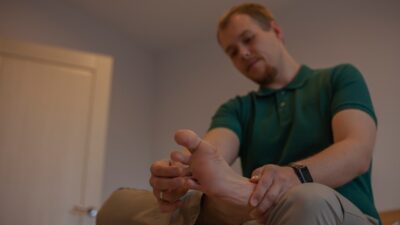
Foot Care — Always Part of Treatment
- Daily inspection, properly fitted shoes, diabetic socks
- Annual comprehensive foot exam, more often if neuropathy is present
- Same-day care for any new wound or red, hot, swollen foot
- Custom orthotics or therapeutic shoes for deformity
- See related guides on diabetes complications and our overview of treatment
What Does Not Work Well
- Long-term opioids: not first or second line; risks usually outweigh benefits
- Cannabinoids: limited evidence for diabetic neuropathy specifically
- Most over-the-counter “nerve renewal” supplements: little randomized evidence
- Selective serotonin reuptake inhibitors (SSRIs): less effective than SNRIs for neuropathic pain
When to Refer
- Severe pain not controlled on a first-line agent at adequate dose
- Foot wounds or signs of infection — same-day podiatry or wound care
- Suspected Charcot foot — same-day evaluation
- Disabling autonomic symptoms (orthostatic syncope, severe gastroparesis)
- Atypical features suggesting another cause (rapid progression, asymmetry, motor weakness, sensory level)
- Need for spinal cord stimulator evaluation
The American Academy of Neurology’s 2022 guideline on painful diabetic neuropathy and the NIDDK overview provide further reading.
The Bottom Line
Treating diabetic neuropathy combines steady glycemic, blood pressure, and lipid control with symptom-directed therapy. Duloxetine, pregabalin, gabapentin, and amitriptyline are reasonable first-line options for painful neuropathy; topical capsaicin and lidocaine add value. Combination therapy is often more effective than escalating a single drug. Severe refractory pain may warrant spinal cord stimulation evaluation. Long-term opioids should generally be avoided. Foot care, physical therapy, and treatment of depression are essential. Talk to your doctor about an individualized plan — most people need a combination, and most plans need adjustment over time.