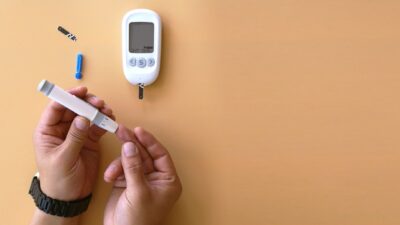
Polymyalgia rheumatica (PMR) is inflammatory rheumatologic condition characterized by stiffness and pain in shoulders, neck, hips, and proximal extremities; almost exclusively affects adults over 50 (average age 70); about 2x more common in women than men; more common in people of Northern European descent. Pathophysiology – inflammatory condition affecting bursae, tendons, and synovium around shoulders and hips; not joint destruction like RA. Symptoms – sudden onset of bilateral shoulder/hip stiffness and pain; pain worse in morning (lasting 30+ minutes); difficulty raising arms; difficulty rising from chair; fatigue, low-grade fever, weight loss possible; sleep disturbance; depression. Distinguishing from osteoarthritis – PMR is bilateral and symmetric; PMR has elevated inflammatory markers; PMR responds dramatically to steroids; OA is mechanical and joint-specific. Distinguishing from RA – RA usually starts younger; RA has small joint involvement (hands, feet); RA has positive rheumatoid factor often; RA progresses to joint damage. Associated condition – giant cell arteritis (GCA, temporal arteritis) occurs in 15-30% of PMR patients; vasculitis of medium arteries; can cause vision loss; monitor carefully. Clinical diagnosis with supportive tests – 2012 EULAR/ACR criteria require patient age 50+ with bilateral shoulder pain plus 2+ of: morning stiffness over 45 minutes; hip pain or limited range of motion; absence of rheumatoid factor or anti-CCP antibodies; absence of other joint pain. Laboratory findings – markedly elevated ESR (40+ mm/hr, often 100+); markedly elevated hsCRP; mild anemia possible; mild liver enzyme elevation; normal CK (distinguishes from inflammatory myopathies). Rapid clinical improvement (within days to a week) to low-dose prednisone (15-20 mg) is virtually diagnostic. Imaging – ultrasound or MRI may show bursitis/tenosynovitis. Standard treatment is steroids with significant diabetes impact. Prednisone or methylprednisolone 12.5-25 mg daily starting dose (typically 15 mg); rapid clinical improvement expected within 1 week; gradual taper over 12-18 months; total treatment 12-24+ months typical; relapses common during taper. CRITICAL diabetes considerations – prednisone significantly raises blood glucose; effects appear within hours; peak 4-8 hours after morning dose; “steroid diabetes” common; need aggressive diabetes management adjustment. Strategies – increase diabetes medication dose (typically increase insulin 30-50% or more during high-dose steroid period); add basal insulin to oral regimen if not already on insulin; add prandial insulin coverage at lunch (when steroid peak hits); SGLT2 inhibitors good choice; GLP-1 agonists helpful; CGM essential for monitoring. As steroid dose tapers – diabetes medication tapers accordingly; watch for hypoglycemia.
PMR Characteristics
| Feature | Detail |
|---|---|
| Age | 50+ years (almost exclusively); average 70 |
| Sex | Women 2x more common than men |
| Onset | Sudden; often days to weeks |
| Pattern | Bilateral; symmetric; shoulders, hips |
| Morning stiffness | 45+ minutes |
| Inflammatory markers | ESR/CRP very elevated |
| Response to steroids | Dramatic within days |
| Treatment duration | 1-2 years typical |
| Associated condition | Giant cell arteritis (GCA) 15-30% |
Distinguishing PMR from Other Conditions
| Condition | Key Differences |
|---|---|
| Osteoarthritis | Joint-specific; mechanical; normal inflammation |
| Rheumatoid arthritis | Hand/foot joints; positive RF; younger onset typical |
| Fibromyalgia | Normal inflammation; widespread; younger patients |
| Polymyositis | Elevated CK; muscle weakness primary |
| Statin myopathy | Recent statin start; normalize off statin |
| Hypothyroid myopathy | Low thyroid; cold intolerance |
| Rotator cuff disease | Unilateral typically; mechanical |
Steroid Diabetes Management
- Prednisone causes 30-50%+ blood sugar increase.
- Effects appear within hours of dose.
- Peak 4-8 hours after morning dose.
- Often worst in afternoon hours.
- Increase diabetes meds proactively.
- Add basal insulin if not on it.
- Add lunchtime prandial insulin coverage.
- SGLT2 inhibitors very helpful.
- GLP-1 agonists helpful.
- CGM essential.
- Frequent communication with endocrinology.
- Monitor A1C every 3 months during treatment.
- Watch for hypoglycemia as steroid tapers.
- Consider DKA risk with SGLT2 inhibitors plus illness.
Giant Cell Arteritis Warning Signs
- New temporal headache.
- Scalp tenderness.
- Jaw claudication (pain with chewing).
- Vision changes – URGENT.
- Vision loss – can be permanent.
- Fatigue, fever, weight loss.
- Arm claudication (if subclavian involved).
- Any vision change in PMR patient – immediate evaluation.
- Higher steroid doses required.
- Major diabetes management challenge.
PMR Treatment Course
- Initial prednisone 15 mg daily typical.
- Rapid improvement within 1 week.
- Slow taper over 12-18 months.
- Maintenance 5 mg daily often for extended period.
- Relapses common during taper – increase dose temporarily.
- Methotrexate as steroid-sparing for some.
- Tocilizumab for refractory cases (also GCA approved).
- Calcium and vitamin D for bone protection during steroids.
- Bisphosphonate if steroid use 3+ months and at risk.
- Monitor for steroid side effects (diabetes, BP, infections).
The Bottom Line
Polymyalgia rheumatica (PMR) is inflammatory rheumatologic condition characterized by stiffness and pain in shoulders, neck, hips, and proximal extremities; almost exclusively affects adults over 50 (average age 70); about 2x more common in women than men; more common in people of Northern European descent. Pathophysiology – inflammatory condition affecting bursae, tendons, and synovium around shoulders and hips; not joint destruction like RA. Symptoms – sudden onset of bilateral shoulder/hip stiffness and pain; pain worse in morning (lasting 30+ minutes); difficulty raising arms; difficulty rising from chair; fatigue, low-grade fever, weight loss possible. Distinguishing from osteoarthritis – PMR bilateral and symmetric; PMR has elevated inflammatory markers; PMR responds dramatically to steroids. Distinguishing from RA – RA usually starts younger; RA has small joint involvement; RA has positive rheumatoid factor often. Associated condition – giant cell arteritis (GCA, temporal arteritis) occurs in 15-30% of PMR patients; vasculitis of medium arteries; can cause vision loss. Clinical diagnosis with supportive tests – 2012 EULAR/ACR criteria; ESR (40+ mm/hr often 100+) and hsCRP markedly elevated; rapid clinical improvement to low-dose prednisone is virtually diagnostic. Standard treatment is steroids – prednisone 12.5-25 mg daily starting dose; rapid clinical improvement expected within 1 week; gradual taper over 12-18 months; total treatment 12-24+ months typical; relapses common during taper. CRITICAL diabetes considerations – prednisone significantly raises blood glucose; effects appear within hours; peak 4-8 hours after morning dose; “steroid diabetes” common. Strategies – increase diabetes medication dose (insulin 30-50% increase); add basal insulin if not on it; add prandial insulin coverage at lunch; SGLT2 inhibitors good choice; GLP-1 agonists helpful; CGM essential; tight communication with endocrinology. As steroid dose tapers – diabetes medication tapers; watch for hypoglycemia. Non-steroid treatments – methotrexate (steroid-sparing); tocilizumab (IL-6 inhibitor) for refractory cases. GCA important associated condition – 15-30% of PMR patients develop GCA; risk continues during PMR treatment. Symptoms – new headache, scalp tenderness, jaw claudication, vision changes (URGENT – can cause permanent vision loss). Treatment – higher steroid dose (40-60 mg prednisone); tocilizumab approved for GCA. Diabetes impact of GCA treatment – high-dose steroids cause major hyperglycemia; emergency situation if vision changes. Education – PMR patients should know GCA symptoms; immediate medical attention if vision changes. For adults with type 2 diabetes – PMR diagnosis triggers significant diabetes management challenge due to steroid treatment; aggressive insulin/medication increase typically needed; CGM essential; SGLT2 inhibitors and GLP-1 agonists particularly helpful; coordinate endocrinology, rheumatology, primary care; monitor for GCA symptoms (especially vision changes); manage bone health and other steroid side effects. See our broader diabetes complications guide for context.