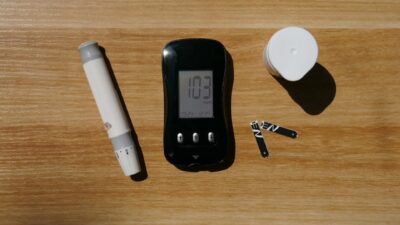
A ketosis test measures ketone levels in urine, blood, or breath. Urine strips are cheapest but become unreliable after keto-adaptation. Blood ketone meters measuring beta-hydroxybutyrate are most accurate. Breath analyzers detect acetone and have no consumable cost. Nutritional ketosis is generally 0.5 to 3.0 mmol/L blood beta-hydroxybutyrate; readings above 3.0 in a person with diabetes and high blood sugar can signal ketoacidosis, which is a medical emergency.
The Three Ketones the Body Produces
| Ketone | Where It Is Measured | Importance |
|---|---|---|
| Beta-hydroxybutyrate (BHB) | Blood | Most abundant; primary fuel for tissues |
| Acetoacetate | Urine | Earlier marker; converted to BHB or acetone |
| Acetone | Breath | Volatile byproduct; gives “keto breath” |
Comparison of Home Testing Methods
| Method | Cost | Accuracy | Best Use |
|---|---|---|---|
| Urine strips | $10–$15 / 50 strips | Qualitative; declines with adaptation | Early diet adaptation, diabetic sick days |
| Blood ketone meter | $30–$80 device + $1–$2 per strip | Highest; measures BHB directly | Daily tracking on keto diet, diabetes safety |
| Breath analyzer | $150–$300 device, no consumables | Moderate; correlates with BHB but indirect | Long-term keto users avoiding fingerpricks |
Urine Ketone Strips
Urine strips test for acetoacetate. Color changes from beige to dark purple indicate increasing ketone presence.
| Color Reading | Approximate Concentration |
|---|---|
| Beige (negative) | 0 mmol/L — no ketosis |
| Light pink (trace) | 0.5 mmol/L |
| Pink (small) | 1.5 mmol/L |
| Mauve (moderate) | 4 mmol/L |
| Dark purple (large) | 8 to 16 mmol/L |
Limitations: hydration status (dilute urine reads lower), ketone adaptation (less spillover), exercise and time of day affect readings.
Blood Ketone Meters
Blood meters measure beta-hydroxybutyrate, the primary blood ketone. Common devices include Precision Xtra, Keto-Mojo, KetoSens, and KetoTrak.
- Fingerstick blood sample on a test strip
- Reading appears in 5 to 10 seconds
- Accuracy within 0.1 to 0.2 mmol/L of lab reference for most consumer meters
- Strips are typically 2 to 4 times the cost of equivalent glucose strips
- Some meters measure both glucose and ketones with different strips (Precision Xtra)
Reading Interpretation (Blood BHB)
| Level | State |
|---|---|
| Below 0.5 mmol/L | Not in ketosis — body using glucose primarily |
| 0.5 to 1.5 mmol/L | Light nutritional ketosis |
| 1.5 to 3.0 mmol/L | Optimal nutritional ketosis |
| 3.0 to 5.0 mmol/L | Deep ketosis (extended fasting, illness — caution if diabetic) |
| Above 5.0 mmol/L | Likely ketoacidosis; requires medical evaluation |
Breath Ketone Analyzers
Breath analyzers detect acetone, a byproduct exhaled when ketones are abundant. Common devices include Ketonix and Biosense.
- One-time device cost; no per-use strip
- Measures over 10 to 30 seconds of exhalation
- Good for trends; less precise than blood at exact values
- Affected by recent food, alcohol, and oral hygiene products
- Convenient for daily long-term tracking without fingersticks
When Each Test Makes Sense
| Scenario | Best Test |
|---|---|
| First weeks of keto diet | Urine strips (cheap; effective before adaptation) |
| Long-term keto, optimizing depth | Blood meter or breath analyzer |
| Type 1 diabetes sick day | Blood meter — accuracy critical |
| Type 2 diabetes on SGLT-2 (Jardiance, Farxiga, etc.) | Blood meter — euglycemic DKA risk |
| Curious about diet effects | Breath analyzer (no consumables) |
| Pregnancy | Consult clinician; do not pursue ketosis without medical guidance |
Diabetic Ketoacidosis Warning
Diabetic ketoacidosis (DKA) is a life-threatening complication. Combined warning signs:
- Blood ketones above 3.0 mmol/L
- Blood glucose above 250 mg/dL (or 180 to 250 with SGLT-2 inhibitors — euglycemic DKA)
- Nausea or vomiting
- Abdominal pain
- Fruity breath odor
- Rapid, deep breathing
- Confusion or extreme fatigue
- Dehydration
If these are present, seek emergency care. DKA is most common in type 1 diabetes but can occur in any insulin-dependent person, with infection, missed insulin doses, or SGLT-2 inhibitors as triggers.
Common Mistakes
- Trusting urine strips after 4+ weeks of keto-adaptation
- Testing once and assuming all-day ketosis
- Comparing blood and urine readings as if they are the same scale
- Ignoring rising ketones with rising blood sugar in diabetes
- Forgetting that intense exercise can transiently drop measurable ketones
- Reading strips after the indicated time window
What Influences Test Results
- Carbohydrate intake (the main driver)
- Fasting duration
- Exercise intensity and timing
- Hydration status
- Sleep and stress
- Alcohol (raises measurable ketones briefly)
- Some medications (SGLT-2 inhibitors raise risk; insulin lowers)
Related Reading
For more on glucose and ketone metabolism, see our guides on detection and diet and nutrition.
The Bottom Line
A ketosis test confirms whether your body is producing ketones for fuel. Urine strips are inexpensive but unreliable after keto-adaptation. Blood ketone meters measuring beta-hydroxybutyrate are the most accurate and best for long-term tracking, especially in diabetes. Breath analyzers offer one-time-cost convenience without fingersticks. Nutritional ketosis is 0.5 to 3.0 mmol/L blood BHB. Readings above 3.0 with high blood sugar in someone with diabetes warrant emergency evaluation for DKA. Choose your method based on what you need: occasional checks (urine), precise daily tracking (blood), or long-term trend awareness (breath).