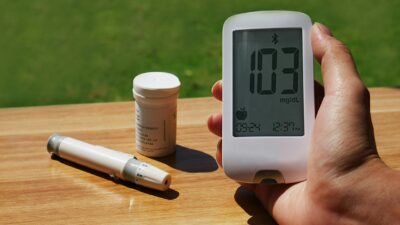
The most accurate blood glucose meter is any FDA-cleared home device that consistently meets the ISO 15197 standard, stores strips correctly, and is used with good technique. Independent testing often highlights the Contour Next, Accu-Chek Guide, and OneTouch Verio family as top performers, but no meter is perfect; the FDA allows readings to fall within roughly 15 percent of a lab reference.
What FDA Clearance Actually Means
Self-monitoring blood glucose meters sold in the United States must receive 510(k) clearance from the FDA before they can be marketed. The FDA’s guidance for self-monitoring systems aligns with ISO 15197:2013, which sets the accuracy bar for home meters. The standard requires that at least 95 percent of measured results fall within plus or minus 15 mg/dL of a laboratory reference value when the reference is below 100 mg/dL, and within plus or minus 15 percent when the reference is 100 mg/dL or higher. In addition, 99 percent of results must land in clinically acceptable zones on the Consensus Error Grid.
A separate, tighter standard governs hospital point-of-care meters. Home meters are not expected to meet that stricter bar, which is why a hospital blood sugar draw may differ from your home meter’s reading even when both devices are performing normally.
Why No Meter Is Perfectly Accurate
Blood glucose meters use electrochemical strips that react with the glucose in a tiny blood sample. Several variables influence the final number. Hematocrit, the percentage of blood made up of red cells, can skew results when it is unusually high or low. Temperature extremes, altitude, certain medications such as high-dose acetaminophen or vitamin C, and even the size of the blood drop can affect readings.
Capillary blood from a fingertip also differs slightly from venous plasma drawn in a lab. Your meter is generally calibrated to report a plasma-equivalent number, but the physiology still causes some normal variance. For these reasons, trends matter more than any individual reading.
How Popular Meters Compare
Independent comparative accuracy studies, such as those periodically published in the Journal of Diabetes Science and Technology, test meters against venous reference values across many users. While exact rankings shift with firmware and strip updates, the general tier structure has been relatively stable.
| Meter family | Typical features | Relative accuracy in independent studies |
|---|---|---|
| Contour Next | Second-chance sampling, Bluetooth options | Consistently among top performers |
| Accu-Chek Guide | Spill-resistant strip vial, app sync | Usually meets or exceeds ISO tightly |
| OneTouch Verio Reflect | Range indicator, trend coaching | Strong, widely covered by insurance |
| FreeStyle Lite/Libre fingerstick | Small sample size, backlit display | Meets ISO; pairs with CGM ecosystem |
| Generic pharmacy meter | Low strip cost | Variable; some pass ISO and some do not |
Technique Is Usually the Biggest Variable
Even the best meter is only as accurate as its user. Wash hands in warm, soapy water before testing; residual sugar from fruit or lotion on the fingertip can falsely elevate readings. Let hands dry fully, since water dilutes the blood drop. Use a fresh lancet at a depth that produces a full hanging drop without squeezing excessively, because milking the finger brings in tissue fluid that lowers the reading. Apply the strip to the drop until the meter signals that enough blood has been absorbed.
Strips should be stored in their sealed vial at room temperature, away from humidity. Each vial has an expiration date as well as a shorter in-use window once opened, typically 90 to 180 days. Expired or heat-damaged strips are a common hidden cause of unreliable results.
Benchmarking Against a Lab Draw
The most practical accuracy check is to bring your meter to a scheduled blood draw and test yourself within two minutes of the venous draw. A capillary reading that is within 15 percent of the lab value is acceptable under ISO 15197. Pair that check with your A1C testing so you can also ensure your long-term trend aligns with short-term readings. Patterns that drift over time warrant a conversation with your clinician.
Anyone beginning self-monitoring can review our prediabetes overview for when and why home glucose testing is typically recommended, and the treatment hub for how meter data supports broader management decisions.
Control Solutions and Ongoing Quality Checks
Every major meter brand sells a control solution that contains a known amount of glucose. Users can apply a drop of the solution to a strip to confirm the meter reads within the printed range on the strip vial. Manufacturers typically recommend running a control test when opening a new vial of strips, when a reading seems implausible, when the meter has been dropped, or after exposure to extreme heat or cold. This simple habit catches many problems that would otherwise be blamed on the user or mistaken for a true glucose change.
External Standards and Further Reading
Readers who want to go deeper can review the FDA medical devices portal, which includes guidance documents on blood glucose monitoring accuracy, and the ISO 15197:2013 standard page. Peer-reviewed accuracy comparisons are periodically published by Klonoff and colleagues.
The Bottom Line
FDA clearance confirms that a home meter meets minimum accuracy standards, typically within 15 percent of a lab value. Several well-regarded meters consistently exceed that bar, but user technique, strip storage, hematocrit, and interfering substances often have a larger impact than the device itself. The most accurate meter is one you can use correctly each time, with occasional control-solution checks and a side-by-side lab comparison to confirm the picture.
Medical disclaimer: This article is for educational purposes only and is not a substitute for advice from a qualified healthcare professional. Discuss device choices and treatment decisions with your own clinician.