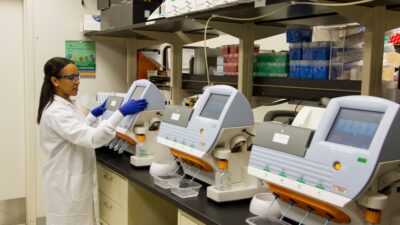
Urine albumin-to-creatinine ratio (ACR or UACR) is the gold standard test for early diabetic kidney disease. ACR compares the amount of albumin (a protein normally retained by healthy kidneys) to creatinine (excretion relatively constant) in a single spot urine sample. The ratio (mg of albumin per gram of creatinine) provides a reliable measure of urinary albumin excretion accounting for urine concentration. ACR detects kidney damage years before changes in serum creatinine or eGFR. ADA recommends annual ACR screening for all adults with diabetes (type 2 from diagnosis; type 1 starting 5 years after diagnosis). KDIGO standard categories (A1, A2, A3): A1 normal/mild (ACR under 30 mg/g), A2 moderate microalbuminuria (30-300), A3 severe macroalbuminuria (over 300), nephrotic-range over 3,000. Results may vary day-to-day; abnormal results should be confirmed with repeat testing 1-2 times over 3-6 months. ACR combined with eGFR provides comprehensive CKD staging — KDIGO Heat Map classifies adults into 12 risk cells. Both measures provide independent information: eGFR shows filtering capacity, ACR shows kidney damage. Elevated ACR indicates need for ACE inhibitor or ARB (reduces ACR 30-50%), SGLT2 inhibitor (kidney protection from CREDENCE, DAPA-CKD trials), aggressive glucose and blood pressure control, finerenone (Kerendia) for T2D + CKD, and lifestyle modifications.
ACR Categories and CKD Staging
| ACR Category | ACR (mg/g) | Description | CKD Stage Component |
|---|---|---|---|
| A1 | under 30 | Normal to mildly increased | Normal kidney function |
| A2 | 30-300 | Moderately increased (microalbuminuria) | Early diabetic nephropathy |
| A3 | over 300 | Severely increased (macroalbuminuria) | Overt diabetic nephropathy |
| — | over 3,000 | Nephrotic-range proteinuria | Severe; warrants urgent eval |
KDIGO Combined eGFR and ACR Heat Map
| eGFR\ACR | A1 (under 30) | A2 (30-300) | A3 (over 300) |
|---|---|---|---|
| G1 (≥90) | Low risk | Moderate risk | High risk |
| G2 (60-89) | Low risk | Moderate risk | High risk |
| G3a (45-59) | Moderate risk | High risk | Very high risk |
| G3b (30-44) | High risk | Very high risk | Very high risk |
| G4 (15-29) | Very high risk | Very high risk | Very high risk |
| G5 (under 15) | Very high risk | Very high risk | Very high risk |
Why ACR Matters for Diabetes
- Detects kidney damage years before creatinine/eGFR changes.
- Strong predictor of progression to kidney failure.
- Strong predictor of cardiovascular events (independent of kidney function).
- Often reversible if caught early — intervention can return ACR to normal.
- Identifies adults who benefit most from ACE/ARB therapy.
- Identifies adults who benefit from SGLT2 inhibitors.
- End-stage kidney disease (dialysis) is preventable through early action.
- About 40% of adults on dialysis have diabetes — early screening saves kidneys.
How ACR Is Tested
- Random spot urine sample (most common).
- First morning urine often preferred (more concentrated).
- Lab measures albumin and creatinine concentrations separately.
- Calculates ratio: albumin (mg) / creatinine (g).
- Results typically within 24-48 hours.
- Point-of-care tests at some clinics for same-day results.
- 24-hour urine collection — alternative; less convenient; rarely needed.
- Modest cost; covered by most insurance.
Causes of False-Positive Results
- Recent strenuous exercise (within 24 hours).
- Fever or acute illness.
- Urinary tract infection.
- Menstruation (avoid testing during).
- Heart failure decompensation.
- Severe uncontrolled hypertension.
- Recent high-protein meal.
- Pregnancy (preeclampsia screening uses separate criteria).
- Hematuria (visible or microscopic blood).
- Repeat testing 1-3 months after to confirm persistent elevation.
Treatment for Elevated ACR
- ACE inhibitor or ARB: first-line; reduces ACR 30-50%.
- SGLT2 inhibitor: empagliflozin, dapagliflozin, canagliflozin — kidney protection.
- Finerenone (Kerendia): for T2D + CKD with albuminuria.
- GLP-1 agonists: modest kidney benefit; semaglutide, dulaglutide.
- Tight glucose control: A1C under 7%.
- Aggressive blood pressure: under 130/80.
- Sodium reduction: under 2.3 g daily.
- Modest protein reduction: 0.8 g/kg if not malnourished.
- Weight loss: 5-10% if overweight.
- Smoking cessation: significantly reduces progression.
- Avoid NSAIDs: ibuprofen, naproxen damage kidneys.
- Treat coexisting conditions: hypertension, dyslipidemia.
Frequency Recommendations
- Type 2 diabetes: annually from diagnosis.
- Type 1 diabetes: annually starting 5 years after diagnosis.
- Hypertension + diabetes: annually regardless.
- Established CKD: every 6 months.
- Elevated ACR (over 30): repeat in 2-3 months; then every 3-6 months.
- Pregnant women with diabetes: each trimester.
- Children with type 1 diabetes: age 11 or 5 years after diagnosis.
- Adults on hemodialysis: not routinely useful.
The Bottom Line
Urine albumin-to-creatinine ratio (ACR or UACR) is the gold standard test for early diabetic kidney disease. ACR compares albumin (a protein normally retained by healthy kidneys; damaged kidneys allow it to leak into urine) to creatinine (excretion relatively constant) in a single spot urine sample, accounting for urine concentration differences. ACR detects kidney damage years before changes in serum creatinine or eGFR. ADA recommends annual ACR screening for all adults with diabetes (type 2 from diagnosis; type 1 starting 5 years after diagnosis). KDIGO standard categories: A1 normal/mild (ACR under 30 mg/g), A2 moderate microalbuminuria (30-300), A3 severe macroalbuminuria (over 300). Results may vary day-to-day; abnormal results should be confirmed with repeat testing 1-2 times over 3-6 months. Causes of false-positive: recent strenuous exercise, fever/illness, UTI, menstruation, severe hypertension, recent high-protein meal — avoid testing during these. ACR combined with eGFR provides comprehensive CKD staging through KDIGO Heat Map (12 risk cells). About 40% of adults on dialysis have diabetes — early ACR screening saves kidneys. Treatment for elevated ACR: ACE inhibitor or ARB (first-line, reduces ACR 30-50%), SGLT2 inhibitor (empagliflozin, dapagliflozin, canagliflozin — kidney protection from CREDENCE, DAPA-CKD, EMPA-KIDNEY trials), finerenone (Kerendia) for T2D + CKD, GLP-1 agonists (modest kidney benefit), tight glucose control (A1C under 7%), aggressive blood pressure (under 130/80), sodium reduction (under 2.3 g daily), modest protein moderation (0.8 g/kg if not malnourished), weight loss 5-10% if overweight, smoking cessation, avoid NSAIDs (ibuprofen, naproxen damage kidneys). Often reversible if caught early — combined approach may return ACR to normal. End-stage kidney disease requiring dialysis is preventable through annual screening and early action. For adults with type 2 diabetes, ACR is among the most important annual tests — insist on it as part of routine diabetes care alongside eGFR. See our broader nephropathy guide for context.