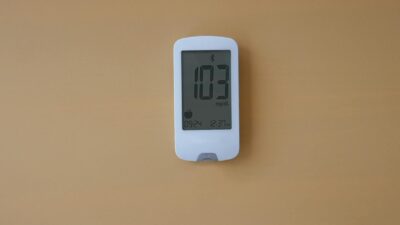
Diabetes is diagnosed by any one of four criteria — A1C at or above 6.5 percent, fasting plasma glucose at or above 126 mg/dL, 2-hour oral glucose tolerance test value at or above 200 mg/dL, or random glucose at or above 200 mg/dL with classic symptoms. Confirmation requires repeat testing on a separate day unless symptoms are unambiguous. Prediabetes is defined by A1C 5.7 to 6.4 percent, fasting glucose 100 to 125 mg/dL, or 2-hour OGTT 140 to 199 mg/dL. Pregnancy uses separate criteria. Screening starts at age 35 for adults without risk factors, earlier for those with risk factors.
The ADA Diabetes Diagnostic Criteria
| Test | Diabetes Threshold | Prediabetes Range | Normal |
|---|---|---|---|
| A1C | ≥6.5% | 5.7 to 6.4% | <5.7% |
| Fasting plasma glucose | ≥126 mg/dL | 100 to 125 mg/dL | <100 mg/dL |
| 2-hour 75 g OGTT | ≥200 mg/dL | 140 to 199 mg/dL | <140 mg/dL |
| Random glucose with symptoms | ≥200 mg/dL | — | — |
Any one criterion meets the diagnosis. Confirmation requires a second abnormal result on a different day unless the patient has unambiguous hyperglycemic symptoms (polyuria, polydipsia, weight loss) with markedly elevated glucose.
A1C — Glycated Hemoglobin
- Reflects average glucose over approximately 90 days
- No fasting required
- Standardized to the NGSP scale, traceable to DCCT reference
- Convenient and stable
Limitations of A1C
- Conditions that shorten red cell life lower A1C falsely — hemolytic anemia, recent blood transfusion, pregnancy, certain hemoglobinopathies
- Conditions that lengthen red cell life raise A1C falsely — iron deficiency anemia, vitamin B12 deficiency
- Some hemoglobin variants interfere with certain A1C assays
- Performs less reliably in advanced kidney disease, especially with erythropoietin therapy
When A1C is unreliable, fasting glucose or OGTT should be used. See our full piece on A1C levels for more.
Fasting Plasma Glucose
- Requires 8 hours without caloric intake
- Plasma glucose preferred over whole blood
- Single-point measurement — does not capture postprandial excursions
- Inexpensive and widely available
Oral Glucose Tolerance Test (OGTT)
- 75 g glucose load after overnight fast
- Plasma glucose measured at fasting and at 2 hours
- Most sensitive test for detecting glucose intolerance
- More time-consuming than alternative tests
- Recommended in pregnancy, post-transplant screening, and when other tests are equivocal
Random Glucose with Symptoms
- Glucose at or above 200 mg/dL at any time
- With classic symptoms — polyuria, polydipsia, weight loss, blurred vision
- Single test sufficient — confirmation not required
- Often the presentation in new type 1 diabetes
Prediabetes
| Definition | Threshold |
|---|---|
| A1C | 5.7 to 6.4% |
| Impaired fasting glucose (IFG) | 100 to 125 mg/dL (ADA); 110 to 125 (WHO) |
| Impaired glucose tolerance (IGT) | 2-hour OGTT 140 to 199 mg/dL |
Annual rate of progression to type 2 diabetes from prediabetes is roughly 5 to 10 percent without intervention. Lifestyle interventions and metformin both reduce progression. See our deep dive on is prediabetes reversible.
Pregnancy and Gestational Diabetes
IADPSG (One-Step) — 75 g 2-Hour OGTT
| Time Point | Threshold |
|---|---|
| Fasting | ≥92 mg/dL |
| 1 hour | ≥180 mg/dL |
| 2 hour | ≥153 mg/dL |
Any one abnormal value diagnoses gestational diabetes. Performed at 24 to 28 weeks.
Two-Step (Carpenter-Coustan)
- Step 1: 50 g 1-hour glucose challenge, non-fasting
- Step 2: if step 1 is at or above 130 to 140 mg/dL, perform 100 g 3-hour OGTT
- Two or more elevated values at fasting, 1, 2, or 3 hours diagnose GDM
Early Pregnancy Screening
- For women with risk factors, screen for overt diabetes at the first prenatal visit using standard diagnostic criteria
- Risk factors include BMI over 25 to 30, prior GDM, family history, certain ethnic backgrounds, polycystic ovary syndrome
ADA vs WHO Differences
| Threshold | ADA | WHO |
|---|---|---|
| A1C diabetes | ≥6.5% | ≥6.5% |
| FPG diabetes | ≥126 mg/dL | ≥126 mg/dL |
| 2-hour OGTT diabetes | ≥200 mg/dL | ≥200 mg/dL |
| IFG lower bound | 100 mg/dL | 110 mg/dL |
| IFG upper bound | 125 mg/dL | 125 mg/dL |
| A1C prediabetes range | 5.7 to 6.4% | Less endorsed; 6.0 to 6.4% sometimes used |
When to Repeat Testing for Confirmation
- If A1C and another test both meet criteria — diagnosis confirmed
- If only one test is abnormal — repeat that test on a different day
- If repeat is also abnormal — diabetes confirmed
- If repeat is normal — close follow-up and re-test in 3 to 6 months
- Symptoms plus random glucose ≥200 — no second test needed
Screening Recommendations
Asymptomatic Adults
- Begin screening at age 35 (recently lowered from 45)
- Re-test every 3 years if normal
- More frequent testing for those with risk factors
Risk Factors That Justify Earlier or More Frequent Screening
- Overweight or obesity
- First-degree relative with diabetes
- High-risk race or ethnicity
- Cardiovascular disease
- Hypertension
- HDL below 35 mg/dL or triglycerides above 250 mg/dL
- Polycystic ovary syndrome
- Physical inactivity
- Other clinical conditions associated with insulin resistance
- Prior gestational diabetes
- HIV infection
Children and Adolescents
- Screen overweight or obese youth with additional risk factors starting at age 10 or onset of puberty
- Use the same A1C, FPG, and OGTT criteria
Common Diagnostic Pitfalls
- Acute stress hyperglycemia mistaken for new diabetes — confirm with A1C after recovery
- Hemoglobinopathy interfering with A1C measurement
- Iron deficiency falsely elevating A1C
- Glucose meter values used instead of plasma glucose — venous plasma is the diagnostic standard
- Mistaking type 1 for type 2 in adult-onset cases — autoantibody testing
What Happens After Diagnosis
- Classification — type 1, type 2, gestational, or other specific type
- Baseline labs — kidney function, lipid panel, liver enzymes, urine albumin
- Eye exam and foot exam
- Cardiovascular risk assessment
- Treatment planning — lifestyle, medications, monitoring
- Education on hypoglycemia, sick-day rules, and self-monitoring
Related Reading
See our overviews of A1C levels, detection of prediabetes, diabetes classification, and what causes diabetes.
The Bottom Line
Diabetes is diagnosed by any one of four ADA criteria — A1C at or above 6.5 percent, fasting glucose at or above 126 mg/dL, 2-hour OGTT at or above 200 mg/dL, or random glucose at or above 200 mg/dL with classic symptoms. Confirmation requires a repeat abnormal test on a separate day unless symptoms are unambiguous. Prediabetes lies between normal and diabetes thresholds and identifies high-risk individuals. Pregnancy uses separate one-step or two-step OGTT criteria. Screening starts at age 35 for asymptomatic adults and earlier for those with risk factors. People with borderline results should talk to their clinician about appropriate retesting and risk reduction.