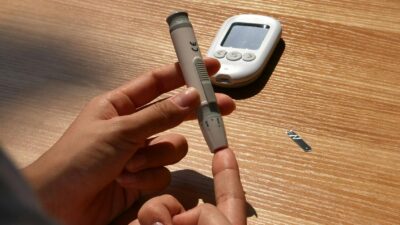
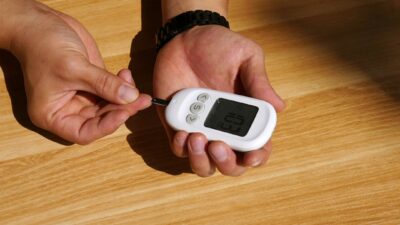
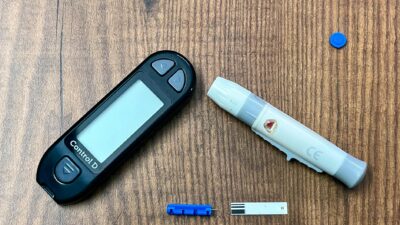
A glucose monitoring watch today means one of two very different things. Legitimate use cases involve a smartwatch displaying data from an FDA-cleared continuous glucose monitor (CGM) worn on the body. The other marketing category — smartwatches and rings that claim to measure blood sugar with no skin sensor — has no FDA clearance, and in February 2024 the agency warned consumers not to use them.
What the FDA Actually Says
On February 21, 2024, the U.S. Food and Drug Administration issued a safety communication titled “Do Not Use Smartwatches or Smart Rings to Measure Blood Glucose Levels.” The FDA stated that it “has not authorized, cleared, or approved any smartwatch or smart ring that is intended to measure or estimate blood glucose values on its own.” The agency named no brands but addressed a wave of online products claiming needle-free sensing using light, radio waves, or other optical methods.
The practical takeaway: if a device looks like a regular smartwatch and claims to measure blood sugar directly, treat the claim as unverified. People with prediabetes or diabetes relying on such readings could make incorrect food or medication decisions.
How Legitimate Watch-CGM Pairings Work
FDA-cleared CGMs measure glucose in interstitial fluid using a small sensor and wire inserted under the skin. The sensor transmits data to a phone or reader via Bluetooth. When you add a watch, the watch displays the sensor’s reading — it does not generate one. This matters because the accuracy, alarms, and any clearance for insulin dosing come from the sensor, not the wrist device.
Common setups in the United States include:
- Dexcom G6 / G7 / Stelo + Apple Watch. The Dexcom app installs a companion watch face and complication; glucose trends appear on the wrist.
- FreeStyle Libre 2 / 3 + Apple Watch or Wear OS. Abbott’s LibreLink app and certain third-party apps relay readings to the watch.
- Medtronic Guardian 4 + smartphones and smartwatches through the Guardian or InPen app.
- Eversense E3 (implantable) + Apple Watch / Wear OS via Senseonics’ mobile app.
Comparison of Watch-CGM Combinations
| CGM Sensor | Watch Platforms | Data Refresh | FDA-Cleared Use |
|---|---|---|---|
| Dexcom G7 | Apple Watch, Wear OS (via phone) | Every 5 minutes | iCGM, non-adjunctive dosing allowed |
| FreeStyle Libre 3 | Apple Watch, Wear OS (via phone) | Every 1 minute | iCGM, non-adjunctive dosing allowed |
| Medtronic Guardian 4 | Apple Watch, select Wear OS | Every 5 minutes | CGM for pump integration |
| Dexcom Stelo (OTC) | Apple Watch, Wear OS | Every 15 minutes | OTC for adults not using insulin |
| Eversense E3 | Apple Watch, Wear OS | Every 5 minutes | Requires 2 daily finger sticks |
Always check the official manufacturer support page because Apple watchOS and Wear OS updates can temporarily break compatibility until apps catch up.
Why Needle-Free Sensing Is So Hard
Multiple technologies have tried to read glucose non-invasively, including near-infrared spectroscopy, Raman spectroscopy, photoacoustic sensing, and radio-frequency bioimpedance. The problem is that glucose signal from the skin is small and easily overwhelmed by hydration status, skin temperature, pigment, motion artifact, and sweat. To clear a CGM, the FDA usually requires a MARD in the single digits compared with a laboratory reference — a bar that no non-invasive wearable has publicly met in a peer-reviewed pivotal trial so far.
This does not mean the technology is impossible. Several companies are in early clinical trials or regulatory submission stages. Until an FDA clearance appears on the public database, however, any retail product making the claim should be considered experimental at best.
What a Glucose-Aware Watch Setup Can Do for You
A properly paired watch can make life with diabetes or tracking of A1C-related trends more convenient:
- Glance at current glucose and trend arrow without pulling out your phone.
- See wrist-based high and low alerts during meetings, sleep, or exercise.
- Share readings with a caregiver through watch-side dashboards.
- Log activity and heart rate that may influence glucose.
- Combine CGM data with meal logs to visualize what drives post-meal spikes.
Red Flags When Shopping
Protect yourself from unapproved claims by checking a few signals before buying:
- Does the product page list an FDA 510(k) or De Novo number? Verify it on the FDA device database.
- Does the manufacturer mention clinical studies with MARD values published in a peer-reviewed journal?
- Does the watch actually pair with a named, cleared CGM sensor?
- Are endorsements from real clinicians or diabetes organizations, not generic “medical experts”?
- Is the price suspiciously low compared with clinical CGMs that typically cost hundreds of dollars per month?
The Bottom Line
In 2025 a legitimate glucose monitoring watch is simply a smartwatch displaying readings from an FDA-cleared CGM worn on the body. Non-invasive glucose watches and rings remain unproven, and the FDA has specifically warned consumers against relying on them. Ask your clinician about whether a CGM plus a compatible watch fits your goals, and treat any needle-free blood sugar watch claim with healthy skepticism until regulators say otherwise.
Medical Disclaimer: This article is for informational purposes only and does not constitute medical advice. Always consult a qualified healthcare professional about any medical condition, device, or treatment plan.