The fastest ways to get glucose down are a 10-20 minute walk, 16-20 ounces of water, and swapping your next meal to a protein-fiber-fat focus. For lasting control, weight loss, strength training, fiber-rich meals, better sleep, and stress management each chip 5-15 mg/dL off your average glucose. Never adjust insulin or medication without medical guidance.
Fast-Acting Methods That Work Within an Hour
When you notice a high reading, your options are limited but real. Research from the University of Otago and others shows short walks after meals are remarkably effective.
- Walk 10-20 minutes at a conversational pace. Muscles absorb glucose through non-insulin pathways (GLUT4 translocation), dropping blood sugar 20-30%.
- Drink water. Dehydration concentrates glucose; rehydration dilutes it and supports kidney excretion.
- Do 2-3 minutes of bodyweight squats or wall sits every 30 minutes. A Columbia study showed this lowers post-meal glucose more than continuous sitting.
- Avoid more carbs until the number comes down.
How Food Choices Shape Your Next Reading
| Strategy | Approximate Post-Meal Reduction |
|---|---|
| Eat protein/fiber before carbs | 20-40% |
| Swap white rice for quinoa or legumes | 25-35% |
| Add 2 tbsp vinegar to the meal | 20-30% |
| Replace sugary drinks with water | 30-50% |
| Add 1 tbsp psyllium fiber | 15-25% |
The common thread: slow digestion and blunt the glucose curve. For a full food framework, see our diet and nutrition guide.
Lifestyle Changes That Lower Baseline Glucose
Exercise Consistently
The American Diabetes Association recommends 150 minutes of moderate aerobic activity plus 2-3 strength sessions per week. Aerobic work improves insulin sensitivity for 24-48 hours after each session. Resistance training builds glucose-storing muscle, raising your long-term capacity to clear carbs.
Lose 5-7% of Body Weight if Overweight
The Diabetes Prevention Program found this level of weight loss reduced progression to type 2 diabetes by 58%. Fat loss – especially visceral fat around the liver – restores insulin sensitivity and can drop fasting glucose by 10-20 mg/dL.
Sleep 7-8 Hours
Short sleep raises cortisol and inflammatory markers, both of which push glucose higher. Adults who consistently sleep under 6 hours have roughly 30% higher diabetes risk. Even one bad week measurably raises fasting glucose.
Manage Stress
Chronic stress elevates cortisol, which tells the liver to dump glucose into the bloodstream. Daily practices like 10 minutes of breathing exercises, yoga, or outdoor time lower cortisol and stabilize glucose.
Nutrients and Supplements With Evidence
- Soluble fiber (psyllium, oats, legumes) slows carbohydrate absorption.
- Cinnamon – 1-2 grams daily may lower fasting glucose slightly in some studies.
- Berberine – 500 mg three times daily performs comparably to low-dose metformin in small trials; discuss with your doctor before starting.
- Magnesium – deficiency is common and correction improves insulin sensitivity.
- Vinegar – 1-2 tablespoons before a meal reduces post-meal glucose.
What Not to Do
- Do not skip meals – this often triggers rebound highs.
- Do not exercise aggressively if you are on insulin and your glucose is over 250 mg/dL with ketones, as it can worsen the situation.
- Do not rely on “sugar-free” foods – many contain refined starches that spike glucose anyway.
- Do not adjust prescribed medication without your doctor’s input.
Monitoring Your Progress
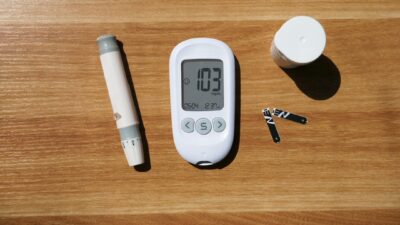
Use a glucometer or continuous glucose monitor (CGM) to test interventions. Check glucose, try a strategy (walk, meal swap, better sleep), and check again. Over 2-4 weeks you will identify what produces the biggest drop for your body. For a deeper dive on target ranges, visit our A1C levels guide.
When to Call Your Doctor
Seek medical guidance if glucose consistently runs above 180 mg/dL after meals, over 130 mg/dL fasting, or if you experience symptoms like excessive thirst, blurred vision, or unexplained weight loss. For readings over 300 mg/dL, or any reading with ketones or vomiting, seek urgent care. Explore our treatment hub for medication options.
The Bottom Line
Getting glucose down is both an immediate and long-term project. Walk, hydrate, and choose the right foods to manage the next hour. Exercise consistently, lose modest weight if needed, and prioritize sleep to lower your baseline over months. Track what works with a glucometer and bring that data to your next appointment.