A new diabetes diagnosis can feel overwhelming, but a clear plan for the first 30, 60, and 90 days makes the transition manageable. The goals are simple: confirm the diagnosis, gather baseline data, build a care team, learn the basics of self-management, choose an initial treatment plan, and set up reliable follow-up. This article walks through each step in the order most clinicians recommend.
Step 1: Confirm the Diagnosis
- Diabetes is diagnosed by an A1C of 6.5 percent or higher, a fasting plasma glucose of 126 mg/dL or higher, an oral glucose tolerance test value of 200 mg/dL or higher at 2 hours, or a random plasma glucose of 200 mg/dL or higher with classic symptoms
- Unless the first value is paired with classic symptoms (thirst, weight loss, frequent urination), a repeat test is usually recommended for confirmation
- Repeat testing avoids mislabeling people with prediabetes or temporary stress-related hyperglycemia
- Type 1 versus type 2 distinction often requires autoantibody and C-peptide testing in adults under 40 or with atypical presentation
Step 2: Get Baseline Labs
| Test | Purpose |
|---|---|
| A1C | Average glucose over 2 to 3 months |
| Fasting lipid panel | Cardiovascular risk; statin decisions |
| Creatinine and eGFR | Kidney function |
| Urine albumin-to-creatinine ratio | Early diabetic kidney disease screen |
| Liver function tests | Baseline before some medications; fatty liver screening |
| TSH | Especially in type 1 diabetes (higher autoimmune thyroid risk) |
| Vitamin B12 | Baseline if metformin is started; recheck periodically |
| Autoantibodies and C-peptide | If type is uncertain |
| EKG | If symptoms or risk factors suggest cardiovascular disease |
Step 3: Build a Care Team
- Primary care clinician or endocrinologist — overall coordination
- Registered dietitian (RD) for individualized eating plan
- Certified Diabetes Care and Education Specialist (CDCES) for DSMES
- Eye care provider — dilated retinal exam within the first year
- Podiatrist or foot-exam-trained clinician — initial foot exam and annual review
- Dentist — periodontal disease and diabetes are linked
- Mental health support if anxiety, depression, or diabetes distress arise
- Pharmacist — medication review, interactions, cost-saving programs
Step 4: Start Self-Monitoring
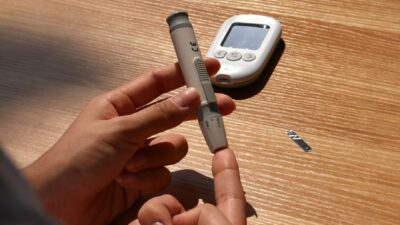
- For type 2 diabetes on lifestyle or oral medications, a fingerstick meter may be enough — fasting and occasionally 2 hours after meals
- For type 2 diabetes on insulin or with frequent variability, CGM is increasingly used
- For type 1 diabetes, CGM is the standard of care and pairs with insulin pump therapy in many users
- Learn meter or CGM calibration, alarm settings, and download practices
- Track patterns, not isolated numbers — trends drive most medication and food decisions
- Always have a fast-acting carbohydrate available for hypoglycemia if on insulin or sulfonylurea
Step 5: Choose Initial Treatment
- Lifestyle changes are part of every plan — eating pattern adjustments, activity, sleep, weight management
- Metformin remains the most common first-line oral medication for type 2 diabetes
- GLP-1 receptor agonists and SGLT2 inhibitors are increasingly used early, especially when cardiovascular or kidney disease is present
- Sulfonylureas, DPP-4 inhibitors, and thiazolidinediones remain options in selected situations
- Type 1 diabetes requires insulin from diagnosis — usually multiple daily injections or pump therapy
- Gestational diabetes typically starts with lifestyle and may add insulin or metformin
Step 6: Complete DSMES
- Diabetes self-management education and support is a structured program — usually 4 to 10 hours over several weeks
- Covered by Medicare and most commercial plans
- Topics include nutrition, activity, monitoring, medication, problem-solving, and reducing complication risk
- Strongly associated with improved A1C, fewer complications, and better quality of life
- Available in person, virtual, group, and one-on-one formats
- Many community health centers and hospitals offer DSMES
Step 7: Set Targets
| Metric | Typical Adult Target |
|---|---|
| A1C | Generally under 7 percent; individualized to age, complications, and hypoglycemia risk |
| Fasting glucose | 80 to 130 mg/dL |
| 2-hour postprandial glucose | Under 180 mg/dL |
| Blood pressure | Under 130/80 mm Hg for most adults |
| LDL cholesterol | Driven by cardiovascular risk; statin therapy often indicated |
| Weight | 5 to 10 percent reduction substantially improves A1C in most adults with type 2 |
| Activity | 150 minutes of moderate aerobic activity weekly plus resistance training |
Step 8: Plan for 30, 60, and 90 Days
- 30 days — confirm diagnosis, baseline labs complete, first dietitian visit, start monitoring, begin medication if prescribed
- 60 days — DSMES underway, foot and eye exam scheduled, medication tolerance assessed, sleep and activity routines forming
- 90 days — repeat A1C, full team in place, kidney and lipid follow-up, vaccination updates, financial and insurance review complete
Step 9: Address Emotional Adjustment
- Diabetes distress is common in the first months
- Symptoms include feeling overwhelmed, fear of complications, frustration with self-care demands
- Validated screening tools (PAID-5, DDS-17) can guide referrals
- Peer support groups, online communities, and family education help
- Mental health professionals familiar with chronic disease can teach coping strategies
- Distress is different from clinical depression but the two can coexist and warrant attention
Step 10: Manage Insurance and Costs
- Review prescription drug coverage and tier placement
- Ask about manufacturer assistance programs (insulin co-pay cards, GLP-1 RA savings cards)
- Medicare Part D and the Inflation Reduction Act include capped insulin co-pays
- Medicaid coverage varies by state; many states cover CGM
- 340B pharmacy programs at community health centers can reduce out-of-pocket costs
- Patient assistance foundations for selected medications and supplies
Related Reading
See our companion articles on diabetes statistics by state, diabetes economic burden, and our overview of prediabetes basics.
The Bottom Line
A new diabetes diagnosis is the start of a long-term relationship with self-care, not an emergency. Confirm the diagnosis, gather baseline labs, build a team, learn self-monitoring, choose an initial treatment plan, and complete diabetes self-management education and support. Plan for the first 30, 60, and 90 days so the workload feels manageable. Address emotional adjustment and cost early. People who follow this structured start consistently have better A1C trajectories, fewer complications, and a stronger sense of control over the years that follow.