The most common high blood glucose symptoms are increased thirst, frequent urination, fatigue, and blurred vision. These signs usually appear once blood sugar exceeds 180-200 mg/dL — the threshold at which the kidneys begin spilling glucose into the urine. Severe symptoms like confusion, vomiting, or fruity breath signal a medical emergency.
The Classic Warning Signs
Frequent Urination
When glucose spills into the urine, it pulls water with it. You urinate more often and in larger volumes, sometimes waking two or three times at night.
Increased Thirst
All that fluid loss leads to dehydration, which drives intense thirst. Many people drink water constantly yet feel like they cannot quench it.
Fatigue
Cells cannot use glucose efficiently when insulin signaling is impaired, so you feel drained despite adequate calories. Dehydration from frequent urination compounds the fatigue.
Blurred Vision
High glucose pulls fluid from the lens of the eye, temporarily changing its shape. Vision becomes fuzzy and fluctuates with glucose swings.
Slow-Healing Cuts
Elevated glucose impairs immune-cell function and circulation, so small cuts take longer to close and skin infections become more common.
Unexplained Weight Loss
When cells cannot use glucose, the body burns fat and muscle for fuel — producing weight loss even though appetite and food intake are normal. This is especially common in type 1 diabetes or uncontrolled type 2.
Increased Hunger
Paradoxically, high glucose often coincides with persistent hunger because cells are starving despite plenty of fuel in the bloodstream.
Severity and Symptom Comparison
| Glucose Level (mg/dL) | Likely Symptoms | Action |
|---|---|---|
| 140-180 | Usually none | Routine monitoring |
| 180-250 | Thirst, urination, fatigue | Hydrate, walk, check again |
| 250-400 | Blurred vision, headache, nausea | Contact clinician same day |
| 400+ | Confusion, rapid breathing, vomiting | Emergency care |
Emergency Red Flags
Two dangerous complications of high glucose require immediate care:
- Diabetic ketoacidosis (DKA): fruity breath, deep rapid breathing, nausea, abdominal pain. More common in type 1.
- Hyperosmolar hyperglycemic state (HHS): severe dehydration, confusion, seizures, glucose often above 600 mg/dL. More common in older adults with type 2.
Both conditions are life-threatening. According to the American Diabetes Association, call 911 or go to the emergency department if any red-flag symptoms appear.
What Causes Acute Spikes
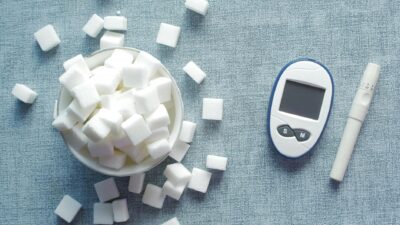
- Large carbohydrate meals, sweetened drinks
- Missed insulin or oral medication dose
- Infection, cold, flu, or COVID-19
- Steroid medications (prednisone, dexamethasone)
- Acute stress or poor sleep
- Insulin pump malfunction or spoiled insulin
What to Do When Glucose Is High
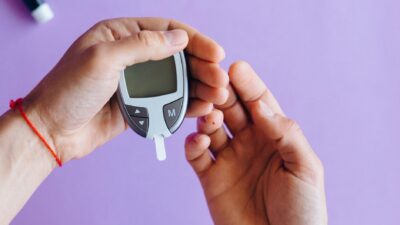
- Confirm the reading with a fingerstick if a CGM reports the high
- Drink a glass or two of water
- Take your rapid-acting insulin or medication if your plan directs
- Walk 15-20 minutes if you feel well
- Recheck glucose in 1-2 hours
- Test ketones if glucose exceeds 240 mg/dL (especially in type 1)
- Call your clinician if glucose stays high or ketones are moderate/large
Preventing Future Highs
Long-term strategies focus on steadier glucose curves:
- Balance meals with protein, fiber, and healthy fat
- Walk after meals to blunt spikes
- Prioritize sleep and stress management
- Monitor glucose trends with a meter or CGM
- Review medications regularly with your clinician
Our nutrition hub and treatment guide cover meal strategies and therapy options in detail. Understanding your own A1C level provides a longer-term view of control.
How Sick Days Change the Rules
Colds, flu, and stomach bugs often push glucose well above normal even when you are eating less. Stress hormones released during illness raise insulin resistance, so familiar doses may suddenly feel insufficient. Check glucose every 2-4 hours during an acute illness, keep drinking water to avoid dehydration, and continue your usual insulin or oral medication unless your clinician has given specific sick-day adjustments. Call your provider if you cannot keep fluids down for six hours, if ketones appear, or if glucose stays above 240 mg/dL despite your normal therapy.
Building a Personal Action Plan
Work with your clinician to write a one-page plan listing your daily glucose targets, what to do at 180-240 mg/dL, when to check ketones, when to call the office, and when to go to the emergency room. Keep a copy on your fridge and another in your phone. A written plan shortens decision time in the moment, which is often the difference between an uncomfortable afternoon and a hospital visit.
The Bottom Line
High blood glucose symptoms — thirst, urination, fatigue, and blurred vision — usually start around 180-200 mg/dL and become more intense as levels rise. Severe symptoms like confusion, fruity breath, or persistent vomiting require emergency care. Learn your personal warning pattern, act early, and work with your clinician on a plan that keeps glucose in range most of the time.
Medical disclaimer: This article is for educational purposes and is not medical advice. Contact a qualified healthcare professional or call 911 if you suspect a medical emergency.