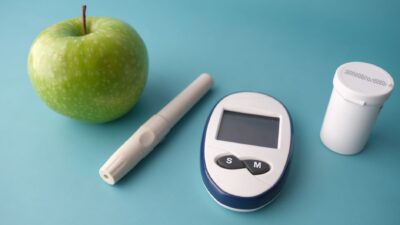
High glucose in pregnancy usually causes no symptoms at all. When signs do appear, the most common are increased thirst, urinating more often, tiredness and blurred vision. All of these can also happen in a healthy pregnancy, so you cannot rely on how you feel. Routine glucose screening, usually between 24 and 28 weeks, is how most cases are found.
Possible Symptoms of High Glucose in Pregnancy
According to the NIDDK, gestational diabetes often has no symptoms. When glucose runs high enough to cause them, you may notice:
- Increased thirst, because extra sugar in the urine pulls water from the body
- Frequent urination, beyond the usual pressure of a growing uterus
- Tiredness that seems out of proportion to your stage of pregnancy
- Blurred vision, from fluid shifts in the lens of the eye
- Repeated infections, such as yeast or bladder infections
- Dry mouth
These signs are more typical when glucose is quite high, which is more likely with diabetes that started before pregnancy or was undiagnosed until pregnancy.
| Symptom | Common in normal pregnancy? | When to mention it |
|---|---|---|
| Frequent urination | Yes, especially early and late | If it comes with strong thirst or burning |
| Thirst | Sometimes | If it is constant or you cannot quench it |
| Tiredness | Yes | If it is severe or getting worse |
| Blurred vision | Occasionally | Always; it can also signal preeclampsia |
| Yeast or bladder infections | Somewhat more common | If they keep coming back |
Emergency Warning Signs
Call your care team right away, or go to labor and delivery or the ER, if you have diabetes in pregnancy and notice vomiting that will not stop, belly pain, fast or deep breathing, fruity-smelling breath, extreme drowsiness or confusion. These can be signs of diabetic ketoacidosis (DKA). According to the ADA Standards of Care, DKA in pregnancy can occur at lower glucose levels than usual, sometimes below 200 mg/dL (11.1 mmol/L). Severe headache, vision changes or sudden swelling of the face or hands also need same-day care, since they can signal preeclampsia.
Why Glucose Rises During Pregnancy
The placenta makes hormones that help the baby grow. Some of those hormones make your cells less responsive to insulin, a state called insulin resistance. Insulin resistance normally rises through the second and third trimesters. Most people’s pancreas keeps up by making more insulin. When it cannot keep up, glucose rises and gestational diabetes develops. This is a normal hormonal process, not something you caused.
Some factors raise the chance of gestational diabetes, including:
- Gestational diabetes in a past pregnancy
- Prediabetes before pregnancy
- A parent or sibling with type 2 diabetes
- Higher body weight before pregnancy
- Polycystic ovary syndrome (PCOS)
- Being of African American, Hispanic or Latino, American Indian, Alaska Native, Asian American or Pacific Islander background
Many of these cannot be changed, and gestational diabetes can happen without any of them. If you had prediabetes before conceiving, see our guide to prediabetes and pregnancy.
How High Glucose in Pregnancy Is Found
The ADA recommends testing for gestational diabetes at 24 to 28 weeks in people who were not already known to have diabetes. People with risk factors are often tested earlier, at the first prenatal visit, to check for diabetes that existed before pregnancy. There are two main approaches.
One-step test
You fast overnight, then drink a 75-gram glucose solution. Blood is drawn fasting, at one hour and at two hours. Under the ADA Standards of Care, gestational diabetes is diagnosed if any one value meets or exceeds the cut-off.
Two-step test
First, you drink a 50-gram glucose solution without fasting and have blood drawn an hour later. Clinics use a screening cut-off of 130, 135 or 140 mg/dL (7.2, 7.5 or 7.8 mmol/L). If your result is above it, you take a three-hour, 100-gram test after fasting. Two or more high values usually confirm the diagnosis, using either the Carpenter-Coustan or the NDDG cut-offs.
| Time point | One-step, 75 g | Two-step, 100 g (Carpenter-Coustan) | Two-step, 100 g (NDDG) |
|---|---|---|---|
| Fasting | 92 mg/dL (5.1 mmol/L) | 95 mg/dL (5.3 mmol/L) | 105 mg/dL (5.8 mmol/L) |
| 1 hour | 180 mg/dL (10.0 mmol/L) | 180 mg/dL (10.0 mmol/L) | 190 mg/dL (10.6 mmol/L) |
| 2 hours | 153 mg/dL (8.5 mmol/L) | 155 mg/dL (8.6 mmol/L) | 165 mg/dL (9.2 mmol/L) |
| 3 hours | Not measured | 140 mg/dL (7.8 mmol/L) | 145 mg/dL (8.0 mmol/L) |
| Diagnosis | Any one value at or above | Two or more values at or above | Two or more values at or above |
Drink the glucose solution your clinic provides. Do not swap it for candy or other foods unless your OB approves. If your first screen came back high, our article on a failed glucose test in pregnancy explains what happens next.
Glucose Targets After a Diagnosis
Once diagnosed, you will usually check your glucose at home. Targets commonly used in gestational diabetes are a fasting level under 95 mg/dL (5.3 mmol/L), and either a one-hour after-meal level under 140 mg/dL (7.8 mmol/L) or a two-hour level under 120 mg/dL (6.7 mmol/L). Your care team may set different goals. Our guides to gestational diabetes blood sugar goals and normal glucose levels in pregnancy go into more detail.
Most people start with changes to meals and activity. If glucose stays above target, the care team may add medicine. Decisions about treatment belong with your OB, midwife or diabetes team.
Why It Matters for You and Your Baby
According to MedlinePlus, high blood sugar during pregnancy can affect both parent and baby. Possible effects include a larger baby, a higher chance of cesarean birth, high blood pressure and preeclampsia, and low blood sugar in the newborn after birth. Keeping glucose in range lowers these risks. Read more in our guide to high blood sugar during pregnancy and the baby.
Gestational diabetes usually goes away after delivery, but it raises your chance of type 2 diabetes later. The ADA recommends a glucose tolerance test 4 to 12 weeks after birth and regular screening after that.
The Bottom Line
High glucose in pregnancy rarely causes clear symptoms, and the signs it can cause, such as thirst, frequent urination and tiredness, are easy to mistake for normal pregnancy. Screening at 24 to 28 weeks, or earlier if you have risk factors, is how it is found. Tell your care team about strong thirst, blurred vision or repeated infections, and get urgent care for vomiting, belly pain or confusion if you have diabetes.