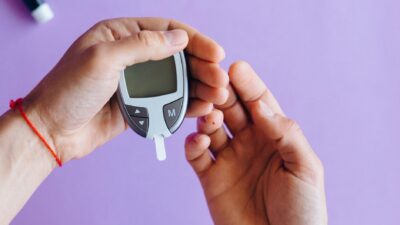
High insulin symptoms include fatigue after meals, strong sugar cravings, stubborn belly fat, skin tags, and darkened skin patches — often before blood sugar ever rises. Because insulin climbs first and glucose follows, you can feel “off” even while a standard A1C comes back normal.
Why High Insulin Develops
When your cells become less responsive to insulin — a condition called insulin resistance — the pancreas compensates by producing more of the hormone to keep blood sugar in range. This compensation works for years, sometimes decades, but it is not benign: high circulating insulin drives fat storage, inflammation, and eventually pancreatic fatigue.
According to the NIDDK, insulin resistance is central to both prediabetes and type 2 diabetes and typically begins years before glucose abnormalities appear.
Early Symptoms People Notice
Post-Meal Fatigue
Needing a nap after lunch or dinner, especially after carb-heavy meals, is a classic sign. Excess insulin drives a steep glucose drop afterward, producing reactive low-energy episodes.
Sugar and Carb Cravings
Insulin keeps circulating after a meal longer than it should, pushing glucose lower and triggering cravings. People with high insulin describe feeling ravenous just 1-2 hours after eating.
Stubborn Abdominal Weight
Insulin is the body’s main fat-storage signal. Chronically elevated insulin makes it hard to lose belly fat even with calorie restriction.
Skin Changes
Skin tags on the neck and armpits, and darkened velvety patches (acanthosis nigricans) in body folds, are strongly associated with hyperinsulinemia. See our article on prediabetes symptoms for more skin signs.
Irregular Periods and PCOS
In women, high insulin drives ovarian androgen production and contributes to PCOS, irregular cycles, acne, and fertility issues.
Brain Fog
Rapid glucose swings driven by hyperinsulinemia can cause foggy thinking, poor concentration, and irritability.
Symptoms at a Glance
| Symptom | What It Reflects | How Common |
|---|---|---|
| Post-meal fatigue | Reactive hypoglycemia | Very common |
| Carb cravings | Dropping post-meal glucose | Very common |
| Belly fat | Insulin-driven fat storage | Very common |
| Skin tags | IGF-1 signaling | Common |
| Acanthosis nigricans | Insulin action on skin | Common |
| Irregular periods | Ovarian androgen effect | Women with PCOS |
| Brain fog | Glucose variability | Variable |
How to Test for High Insulin
Standard diabetes screening checks glucose and A1C, but these lag behind insulin changes. Ask your clinician about:
- Fasting insulin — under 5 mIU/mL is optimal, over 10 is elevated
- HOMA-IR — fasting insulin x fasting glucose / 405; under 1.5 is ideal
- Oral glucose tolerance test with insulin — gold standard for detecting hyperinsulinemia
- Fasting triglyceride-to-HDL ratio — over 3 correlates with insulin resistance
How to Lower Insulin Naturally
These evidence-based strategies reliably lower fasting insulin within weeks:
- Reduce refined carbs and added sugars — both are potent insulin drivers
- Walk 10-15 minutes after each meal
- Add resistance training two to three times per week to build glucose-burning muscle
- Sleep 7-9 hours — short sleep alone raises insulin resistance the next morning
- Manage stress; cortisol elevates insulin over time
- Lose 5-10% of body weight if overweight — often normalizes insulin entirely
Our guide to reversing prediabetes and nutrition hub expand on these.
When to See a Doctor
Schedule a visit if you have several of the symptoms above, especially alongside a family history of diabetes, a waist circumference over 35 inches (women) or 40 inches (men), or PCOS. Early detection lets you address insulin resistance before it becomes diabetes.
Diet Changes That Matter Most
If you are only going to change a few things, prioritize these. Replace sweetened drinks with water, unsweetened tea, or sparkling water — sugary beverages are among the largest drivers of insulin spikes because they arrive in the bloodstream quickly. Shift from refined grains (white bread, most breakfast cereals, pastries) to minimally processed options like oats, whole-grain bread, quinoa, and beans. Add protein and fiber to every meal; both blunt the insulin response to carbohydrates. Finally, cap eating to a 10-12 hour daily window, which gives insulin a chance to return to baseline overnight.
How Exercise Lowers Insulin
Physical activity is one of the most powerful insulin-lowering tools available. Muscle contraction pulls glucose into cells independently of insulin, so a single brisk walk after a meal can drop the peak by 20-40%. Resistance training has an even longer-lasting effect: adding muscle increases the baseline amount of glucose your body disposes of every day. Aim for 150 minutes of moderate cardio plus two strength sessions per week as a starting target. Even short walks, done consistently, produce measurable improvements in fasting insulin within a few weeks.
The Bottom Line
High insulin symptoms are subtle but meaningful. Post-meal fatigue, cravings, stubborn belly fat, and skin changes often precede high blood sugar by years. Ask your clinician for a fasting insulin test, then use diet, movement, sleep, and stress management to bring the number down. Catching hyperinsulinemia early is one of the best investments you can make in your long-term metabolic health.
Medical disclaimer: This article is for educational purposes and is not medical advice. Consult a licensed clinician for testing and treatment of insulin-related symptoms.