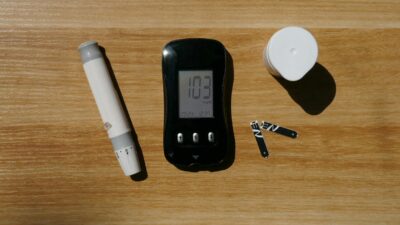
Symptoms of high blood sugar in non-diabetics include increased thirst, frequent urination, unexplained fatigue, and blurred vision. These signs typically appear when blood glucose rises above roughly 180 mg/dL, the point at which the kidneys begin spilling glucose into the urine. Most people with prediabetes have no symptoms at all, which is why routine screening matters.
Why Non-Diabetics Can Develop High Blood Sugar
You do not need a diabetes diagnosis to experience hyperglycemia. Several situations can push blood sugar up temporarily or persistently: acute infection, surgery or trauma, high-dose corticosteroids (prednisone, dexamethasone), atypical antipsychotics, a high-carbohydrate meal on an empty stomach, poor sleep, or simply undiagnosed prediabetes. Stress hormones such as cortisol and adrenaline prompt the liver to release stored glucose, which can raise fasting values by 20-40 mg/dL during illness or emotional stress.
Prediabetes itself affects an estimated 96 million US adults (1 in 3), and roughly 80% do not know they have it, per CDC. Our symptoms of prediabetes hub covers the full clinical picture.
The Classic Warning Signs
- Increased thirst (polydipsia): High glucose in the blood pulls water out of cells by osmosis, triggering thirst. You drink more, but the feeling does not fully resolve.
- Frequent urination (polyuria): Once blood sugar exceeds the renal threshold (about 180 mg/dL), the kidneys cannot reabsorb all the glucose, and it spills into urine, pulling water with it.
- Fatigue: Cells are not efficiently using glucose for energy, either because of insulin resistance or inadequate insulin. You feel drained despite eating.
- Blurred vision: Elevated glucose changes the osmotic balance in the lens of the eye, causing transient refractive changes and blurring.
- Headache and difficulty concentrating: Both dehydration and glucose swings can affect cognition.
- Slow-healing cuts or recurrent yeast infections: Glucose-rich tissues impair immune function and feed fungal overgrowth.
- Tingling or numbness in hands and feet: Late sign suggesting sustained elevation.
When Symptoms Appear by Glucose Level
| Blood Glucose | Typical Symptoms | Clinical Meaning |
|---|---|---|
| Under 140 mg/dL | None | Normal to mild elevation |
| 140-180 mg/dL | Usually none; occasional fatigue | Prediabetes range |
| 180-250 mg/dL | Thirst, frequent urination, mild fatigue | Renal threshold crossed |
| 250-350 mg/dL | Blurred vision, headache, nausea | Diabetes-range; needs evaluation |
| Over 350 mg/dL | Confusion, breath odor, rapid breathing | Urgent medical attention |
Conditions That Raise Glucose Without Diabetes
Acute illness: Infections, particularly pneumonia and urinary tract infections, raise cortisol and can push glucose 30-60 mg/dL higher than baseline. Steroids: Oral prednisone 20 mg daily can raise fasting glucose by 30-50 mg/dL within a week. Cushing syndrome and pheochromocytoma are rare but produce sustained hyperglycemia through endogenous hormone excess. Pancreatitis or pancreatic surgery can damage insulin-producing cells.
When to Get Tested
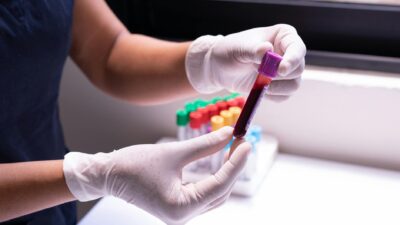
If you notice any combination of persistent thirst, urination, fatigue, or blurred vision lasting more than a few days, ask your clinician for an A1C plus a fasting plasma glucose. Both can be drawn from the same blood sample. The ADA recommends screening every adult starting at age 35, and earlier if you have a BMI over 25 plus one additional risk factor (family history, hypertension, prior gestational diabetes, PCOS, or non-white ancestry).
Classic symptoms plus a random glucose of 200 mg/dL or higher qualifies as a diabetes diagnosis under ADA criteria, even without confirmation. Milder elevations require a repeat test on a separate day.
What to Do If You Suspect High Blood Sugar
First, hydrate. Water helps your kidneys clear excess glucose and eases the thirst-urination cycle. Second, schedule testing rather than self-diagnose. Third, review modifiable factors: recent steroid courses, new medications, illness, sleep, stress. Fourth, plan lifestyle adjustments. The Diabetes Prevention Program showed that 5-7% weight loss plus 150 minutes of weekly moderate exercise cut progression to diabetes by 58%. See our diet and reversal guides for concrete steps.
The Bottom Line
High blood sugar in non-diabetics can arise from prediabetes, steroids, acute illness, or stress. Classic symptoms (thirst, urination, fatigue, blurred vision) usually begin around 180 mg/dL, but most prediabetes is silent. If warning signs persist, request an A1C and fasting glucose, confirm any abnormal result, and begin lifestyle changes early.