Basaglar is Eli Lilly’s long-acting insulin glargine U-100, FDA-approved in December 2015 as a follow-on biologic to Sanofi’s Lantus. It is used as once-daily basal insulin in adults and pediatric patients with type 1 diabetes (T1D) and adults with type 2 diabetes (T2D). The amino acid sequence is identical to Lantus, dosing is the same, and clinical efficacy in head-to-head trials is comparable, with cost typically 10 to 15 percent lower.
What Basaglar Is
Basaglar (insulin glargine injection 100 units/mL) is a long-acting human insulin analog. The glargine molecule is modified at three amino acid positions, which shifts its solubility profile so that it precipitates at the injection site and is slowly absorbed over 24 hours, providing relatively flat basal insulin coverage. Basaglar was developed by Eli Lilly and Boehringer Ingelheim and approved through the FDA’s 505(b)(2) regulatory pathway, which allows reliance on the Lantus reference data plus Lilly’s own bridging studies. It launched in the US in late 2016.
Indications and Who Uses It
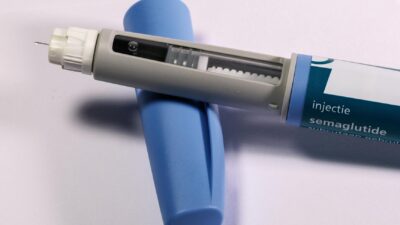
Basaglar is FDA-approved to improve glycemic control in adults and pediatric patients with type 1 diabetes and in adults with type 2 diabetes. It is delivered by subcutaneous injection from a 3 mL prefilled KwikPen, in 5-pack cartons. Common candidates include people with T2D progressing past oral therapy, people with T1D needing basal coverage between bolus mealtime doses, and patients switching from Lantus or another basal insulin for cost or formulary reasons. According to the ADA Standards of Care, basal insulin is typically added when oral agents and GLP-1 receptor agonists no longer maintain target A1C.
How Basaglar Works
Insulin glargine forms a microprecipitate at the subcutaneous injection site at physiologic pH, releasing slowly into the bloodstream over approximately 24 hours. Per the Basaglar prescribing information, onset of action is approximately 1 to 4 hours, with no pronounced peak, and a duration of approximately 24 hours. This relatively flat profile allows once-daily dosing in most patients, although a minority of patients (more often those with T1D) may need split twice-daily dosing for adequate 24-hour coverage.
| Property | Basaglar (glargine U-100) | Lantus (glargine U-100) |
|---|---|---|
| Onset | 1-4 hours | 1-4 hours |
| Peak | None pronounced | None pronounced |
| Duration | ~24 hours | ~24 hours |
| Dosing frequency | Once daily | Once daily |
| Typical price (vs Lantus) | 10-15% lower | Reference |
| Formulations | 3 mL KwikPen | 10 mL vial, 3 mL SoloStar pen |
Dosing
For insulin-naive adults with T2D, the typical starting dose is 10 units once daily or 0.1 to 0.2 units per kilogram of body weight, titrated by 1 to 2 units every few days based on fasting glucose readings. Target fasting glucose is usually 80 to 130 mg/dL but should be individualized. For T1D, basal insulin makes up roughly 40 to 50 percent of total daily insulin, with the remainder split as bolus mealtime insulin (often Humalog, Novolog, or Fiasp). Switching from another basal insulin is typically unit-for-unit; however, switching from twice-daily NPH to once-daily Basaglar generally requires reducing the total dose by 20 percent to avoid hypoglycemia.
Side Effects
The most common side effect is hypoglycemia, the dose-limiting toxicity of any insulin. Other adverse reactions reported in clinical trials include weight gain (typically 2 to 5 pounds in the first year), injection site reactions (redness, itching, swelling), lipodystrophy with repeated injection in the same area, peripheral edema, and rare allergic reactions. Hypokalemia can occur with insulin therapy. Severe hypersensitivity reactions and worsening of pre-existing heart failure (when used with thiazolidinediones) are listed warnings in the label.
Switching Between Lantus and Basaglar
The American Diabetes Association notes that insulin glargine products including Lantus, Basaglar, and Semglee are clinically equivalent for most patients. Switching is typically done unit-for-unit. Patients should monitor blood glucose more closely for 1 to 2 weeks after the switch, especially in the morning, since small individual variations can occur. Since 2021, Semglee is the FDA-designated interchangeable biosimilar to Lantus, meaning a pharmacist can substitute it without prescriber notification (subject to state law). Basaglar is not designated interchangeable, so a prescription must specifically name it.
Cost and Coverage
Basaglar typically lists 10 to 15 percent below Lantus, although actual out-of-pocket cost depends on insurance formulary placement and rebates. Eli Lilly offers a manufacturer savings card for commercially insured patients and a $35 cap on Insulin Value Program copays for many patients. Medicare Part D enrollees benefit from the federal $35 monthly insulin cap. If you are uninsured, the Lilly Insulin Value Program also offers a flat-rate purchase option.
How Basaglar Fits in a Treatment Plan
Basal insulin is typically added when A1C remains above target despite oral agents and lifestyle therapy. For patients with T2D, the order of addition has shifted in recent ADA Standards: GLP-1 receptor agonists and SGLT2 inhibitors now precede basal insulin in many algorithms, especially for patients with established cardiovascular or kidney disease. Once basal insulin is needed, glargine products like Basaglar, Lantus, Semglee, and longer-duration analogs (Toujeo U-300, Tresiba degludec) are common starting choices. For broader treatment context, see our treatment hub, and for monitoring goals, the A1C levels guide.
The Bottom Line
Basaglar is a long-acting insulin glargine that functions as a clinically equivalent alternative to Lantus, with the same dosing, similar pharmacokinetics, and a typically lower price. It is given once daily for basal insulin coverage in T1D and T2D, with hypoglycemia as the most important side effect. Switching from Lantus is usually straightforward and done unit-for-unit, although close glucose monitoring during the first 1 to 2 weeks is sensible.
Medical disclaimer: This article is for informational purposes only and does not constitute medical advice. Always consult a qualified healthcare professional before starting, stopping, or changing any medication or treatment plan.