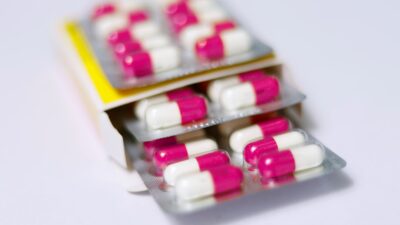
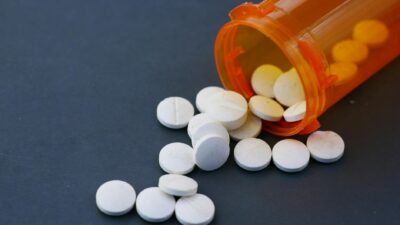
The best time to take metformin is with food — most commonly with the largest meal of the day — because food substantially reduces the gastrointestinal side effects that 20 to 30 percent of new users experience. Immediate-release metformin is usually divided into 2 or 3 doses across the day with meals, while extended-release metformin is typically taken once daily with the evening meal. Consistency at the chosen time matters more than the exact clock time.
Why Timing Matters with Metformin
Metformin has been the first-line drug for type 2 diabetes for more than 60 years. It works mainly by reducing the amount of glucose the liver produces, with a smaller effect on insulin sensitivity in muscle tissue. The drug does not cause hypoglycemia on its own — meaning timing is less critical than with insulin or sulfonylureas — but two practical concerns drive the timing recommendations:
- GI tolerability — empty-stomach dosing dramatically increases nausea, diarrhea, and cramping
- Steady blood levels — immediate-release metformin has a half-life of about 6 hours, so dividing the dose helps maintain consistent coverage
Immediate-Release vs Extended-Release — Key Differences
| Feature | Immediate-Release (Glucophage, generic metformin HCl) | Extended-Release (Glucophage XR, Fortamet, Glumetza) |
|---|---|---|
| Dosing frequency | 2 to 3 times daily | Once daily |
| Preferred timing | With breakfast and dinner (or all 3 meals) | With the evening meal |
| Max daily dose | 2,550 mg | 2,000 mg (some brands 2,500 mg) |
| GI side effect rate | Higher (20–30%) | Lower (10–15%) |
| Cost | Lowest (often $4 per month) | Slightly higher |
| Tablet integrity | Can be cut or crushed | Must be swallowed whole — do not cut, crush, or chew |
Recommended Schedule by Dose
| Daily Dose | Immediate-Release Schedule | Extended-Release Schedule |
|---|---|---|
| 500 mg | 500 mg with dinner | 500 mg with dinner |
| 1,000 mg | 500 mg with breakfast + 500 mg with dinner | 1,000 mg with dinner |
| 1,500 mg | 500 mg with each of 3 meals | 1,500 mg with dinner |
| 2,000 mg | 1,000 mg with breakfast + 1,000 mg with dinner | 2,000 mg with dinner (single dose) |
| 2,500–2,550 mg | 500 mg breakfast + 1,000 mg lunch + 1,000 mg dinner | Split into 2 doses (e.g., 1,500 mg dinner + 1,000 mg with another large meal) |
Why “With the Largest Meal” Reduces Side Effects
Metformin’s GI side effects come from local irritation of the intestinal lining and changes in gut bacteria. Food does several things:
- Dilutes the drug in the gut, reducing peak local concentration
- Slows gastric emptying, smoothing absorption
- Buffers stomach acid, which influences dissolution
- Pairs the drug with the digestive process the body is already in, reducing the relative impact
For most people, dinner is the largest meal — making it a natural anchor. People whose largest meal is lunch (common in some cultures or for shift workers) should pair the largest single metformin dose with that meal instead.
Starting Metformin — The Slow Ramp
To minimize GI side effects, metformin is almost always started at a low dose and gradually increased. A common schedule:
- Week 1: 500 mg once daily with dinner
- Week 2: 500 mg with breakfast and 500 mg with dinner
- Week 3: 500 mg with breakfast and 1,000 mg with dinner (or 500 mg with all 3 meals)
- Week 4: 1,000 mg with breakfast and 1,000 mg with dinner
For extended-release: 500 mg with dinner for 1 to 2 weeks, then increasing by 500 mg per week to the target dose. This slow ramp gives the gut time to adapt and reduces the chance of discontinuation due to side effects.
What if You Miss a Dose
- If you remember within 1 to 2 hours of the usual time and you can eat a snack, take the dose now
- If more than 2 to 3 hours have passed, skip it and take the next dose at the usual time
- Do not double up — taking 2 doses together dramatically increases the chance of nausea and diarrhea
- If you miss doses for more than 2 days, contact your clinician — A1C control will deteriorate and gradual re-titration may be needed if more than a week is missed
Special Situations — Adjusting Your Timing
| Situation | Timing Adjustment |
|---|---|
| Shift work / overnight schedule | Take with your “largest meal” regardless of clock time; maintain consistent ~12-hour spacing if BID |
| Intermittent fasting (16:8 or similar) | Take with the first and last meals of the eating window; avoid dosing during fasting hours |
| Travel across time zones | Take dose at meals at the new local time; one extra or skipped dose during transition is fine |
| Surgery or contrast imaging | Hold metformin 24 to 48 hours before and after — restart only when kidney function is confirmed |
| Illness with vomiting / dehydration | Hold doses until eating and drinking normally; resume usual schedule afterward |
| Bedtime dose desired for fasting glucose | Extended-release with the evening meal is most effective for overnight glucose suppression |
| Pre-meal hyperglycemia spikes | Taking IR metformin 15 to 30 min before a heavy meal (rather than with) may blunt the post-meal rise — under clinician guidance |
Food Choices That Pair Well with Metformin
The “largest meal” does not have to be a heavy meal. Pairing metformin with a balanced plate — protein, vegetables, some healthy fat, and a moderate carbohydrate portion — typically produces better tolerance than dosing with a sugary or very high-fat meal. See our guide on diet and nutrition for meal-pattern guidance.
If Side Effects Are Persistent
Twenty to thirty percent of users experience meaningful GI side effects in the first few weeks. Strategies to address them:
- Take with a substantial meal, not a small snack
- Split the dose more (3 times daily instead of 2)
- Drop back to the previous tolerated dose for 2 weeks and re-titrate slowly
- Switch from immediate-release to extended-release — about half of intolerant patients improve
- Consider whether other GI causes are at play (food intolerance, gastroenteritis, irritable bowel syndrome)
- Talk to your clinician about other options if intolerance persists — see alternative to metformin and metformin nausea for more
Drug and Supplement Interactions That Affect Timing
- Vitamin B12 — long-term metformin reduces B12 absorption; supplement at any time of day (not necessarily with metformin)
- Calcium-based antacids — separate dosing by 2 hours to avoid reduced metformin absorption
- Cimetidine — can raise metformin levels; clinician may adjust dose
- Iodinated contrast — hold metformin per imaging protocol
- Alcohol — avoid heavy use, particularly close to dosing time; raises lactic acidosis risk slightly and can worsen GI side effects
Monitoring When You Are on Metformin
Beyond timing, regular checks help ensure metformin is working safely:
- A1C every 3 to 6 months
- Kidney function (eGFR) at least yearly — more often if any change in clinical status
- Vitamin B12 every 2 to 3 years (or sooner if symptoms of fatigue, neuropathy)
- Weight, blood pressure, and lipid trends at each visit
For background on A1C goals, see our A1C levels guide.
External Reference for Dosing Detail
The most detailed timing and dose-titration guidance comes from the official prescribing information. The FDA-approved Glucophage prescribing information spells out approved schedules and special-population considerations.
The Bottom Line
The best time to take metformin is with food, paired with your largest meal of the day to minimize GI side effects. Immediate-release metformin is typically divided into 2 or 3 doses with meals; extended-release is usually a single dose with the evening meal. Starting low and increasing slowly over several weeks reduces nausea and diarrhea. Missed doses should not be doubled — resume the next dose at the usual time. Consistency at whatever schedule fits your routine matters more than the exact hour on the clock. Talk to your clinician if side effects persist or if your schedule, fasting habits, or other medications change in ways that affect timing.