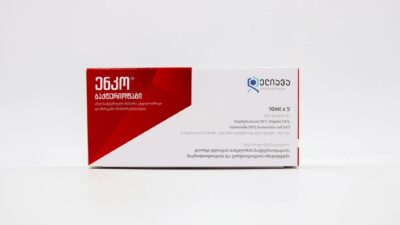
Compounded GLP-1 medications are customized versions of semaglutide or tirzepatide mixed by licensed pharmacies rather than the finished, FDA-approved injectables made by Novo Nordisk or Eli Lilly. They are not generic drugs, and they are not reviewed by the FDA for safety, potency, or quality before they reach patients.
What “compounded GLP-1” Actually Means
Traditional drug compounding is a long-standing pharmacy practice where a pharmacist combines, mixes, or alters ingredients to create a medication tailored to a specific patient. In the GLP-1 category, that has most often meant injectable vials containing semaglutide or tirzepatide, sometimes paired with B12 or other additives. These are typically sold through telehealth platforms and weight-loss clinics rather than retail pharmacies.
Unlike approved products such as Ozempic, Wegovy, Mounjaro, or Zepbound, compounded GLP-1 preparations do not go through the FDA’s new drug approval pathway. Each compounded batch is a one-off preparation, and quality depends entirely on the pharmacy’s practices and the source of its raw ingredients.
Why Compounded GLP-1 Became Widely Available
Under the federal Food, Drug, and Cosmetic Act, pharmacies can legally compound a drug that is “essentially a copy” of an approved drug only in narrow circumstances. One of the most important is when the approved drug is on the FDA’s official shortage list. From 2022 through much of 2024, both semaglutide and tirzepatide were listed as being in shortage, which created a legal opening for compounders to supply alternatives.
During that window, hundreds of telehealth companies and weight-loss clinics began offering compounded versions at lower monthly prices than the branded pens. As manufacturing capacity expanded, the FDA moved to remove tirzepatide and later semaglutide from the shortage list, which tightened the circumstances under which mass compounding is permitted.
FDA Concerns and Documented Risks
The FDA has issued multiple public alerts about compounded GLP-1 products. Reported problems include patients drawing up incorrect doses from multi-dose vials, products using unapproved “salt” forms of semaglutide (such as semaglutide sodium or semaglutide acetate) that have not been shown to be safe or effective, and adverse events including severe nausea, hypoglycemia, and hospitalizations.
According to the FDA’s consumer safety page, compounded semaglutide has been linked to dosing errors because patients unfamiliar with insulin-style syringes miscalculated units. These risks are separate from, and add to, the known side effect profile of GLP-1 medications themselves.
Comparison: Compounded vs. Branded GLP-1
| Feature | Branded (Ozempic, Wegovy, Mounjaro, Zepbound) | Compounded GLP-1 |
|---|---|---|
| FDA approval | Yes, for specific indications | No — compounded for individual patients |
| Quality oversight | Full manufacturing review | State board of pharmacy; limited FDA visibility |
| Active ingredient | Standardized API, validated potency | Varies by pharmacy and supplier |
| Salt form | Approved base molecule | Sometimes unapproved salts |
| Typical cost (cash) | $900–$1,300/month list price | $200–$500/month at many telehealth clinics |
| Insurance coverage | Often covered with prior authorization | Rarely covered |
Where Compounded GLP-1 Fits in a Prediabetes Plan
GLP-1 receptor agonists are not first-line therapy for prediabetes. The American Diabetes Association’s Standards of Care still emphasize structured lifestyle change, weight loss of 5–7%, and metformin in selected patients before escalating to a GLP-1. You can learn more about non-pharmacologic options in our prediabetes treatment hub and see how dietary pattern changes fit in on the diet and nutrition hub. If you are working on reversing early glucose elevations, our guide on whether prediabetes is reversible outlines what the evidence supports.
Common Side Effects to Expect
Whether a GLP-1 is branded or compounded, the class side effect profile is similar. The most frequently reported effects include nausea, vomiting, diarrhea, constipation, and abdominal pain, particularly in the first weeks of treatment. Less common but more serious risks include pancreatitis, gallbladder disease, and a boxed warning for medullary thyroid cancer based on rodent data. Compounded versions carry the same class risks plus quality-control uncertainty.
Questions to Ask Before Starting a Compounded Product
- Is this preparation made by a 503A pharmacy (patient-specific) or a 503B outsourcing facility (bulk, FDA-registered)?
- What is the exact active ingredient on the label, and is it the base form of semaglutide or tirzepatide?
- Has the pharmacy been inspected recently, and are inspection reports available?
- How will dose escalation be supervised, and who handles adverse events?
- Is there a clear refund and return policy if the product is recalled?
The Bottom Line
Compounded GLP-1 medications filled a real gap during the semaglutide and tirzepatide shortages, but they are not equivalent to FDA-approved products. The legal landscape is narrowing, quality varies by pharmacy, and the FDA has documented real harms tied to some preparations. If you are considering any GLP-1, branded or compounded, talk to a clinician who can review your A1C levels, cardiovascular risk, and alternatives — and verify that any pharmacy involved is properly licensed.