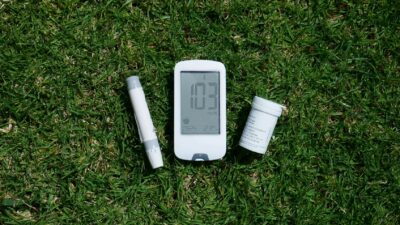
Eating disorders and diabetes co-occur far more often than chance — disordered eating behaviors affect roughly 25 to 40 percent of women and girls with type 1 diabetes (DEB-T1D), and binge eating is over-represented in type 2. The combination is dangerous because insulin and food intake are tools that can be weaponized against the body. Specialized, diabetes-aware care is the standard, and the DEPS-R is the validated screener.
Why Diabetes and Eating Disorders Overlap
Several features of diabetes raise the risk of disordered eating:
- Food preoccupation by design — daily carb counting, weighing food, monitoring blood glucose against intake
- Insulin and weight — starting insulin causes a 2 to 5 kg weight gain in many; omitting insulin causes rapid weight loss
- Perfectionism reinforcement — “good” and “bad” foods, target ranges, A1C as a grade
- Body image and chronic illness — body distress from diagnosis, scars from pumps and injections, lipohypertrophy
- Adolescent diagnosis — risk peaks during the same developmental window as eating disorders
- Female sex — DEB-T1D is roughly 10× more common in females than males
Patterns of Disordered Eating in Diabetes
| Pattern | Description | Diabetes-Specific Signs |
|---|---|---|
| Insulin restriction (diabulimia) | Omitting or reducing insulin to lose weight | Recurrent DKA, A1C 10+, rapid weight loss |
| Binge eating disorder | Recurrent loss of control eating without compensation | Common in T2D, weight gain, glucose spikes |
| Bulimia nervosa | Binge then purge (vomit, laxatives, exercise) | May combine with insulin restriction |
| Anorexia nervosa | Severe restriction, low body weight | Often pairs with insulin omission in T1D |
| Orthorexia | Obsessive “clean” or “healthy” eating | Rigid carb avoidance, fear of insulin |
| ARFID | Avoidant/restrictive food intake | Fear of glucose spikes, very limited variety |
Health Consequences
- Chronic hyperglycemia and elevated A1C
- Recurrent DKA — leading cause of mortality in young people with type 1 and DEB
- Accelerated microvascular complications (retinopathy, nephropathy, neuropathy)
- Cardiovascular complications
- Electrolyte disturbances, especially with purging
- Osteoporosis from sustained low weight
- Approximately 3× mortality risk for young women with T1D + ED behaviors
- Mental health burden — depression, anxiety, suicidality
Screening — The DEPS-R
The Diabetes Eating Problem Survey – Revised is the validated 16-item self-report tool specifically developed for diabetes:
- Items rated 0 (never) to 5 (always)
- Total score ≥20 indicates likely disordered eating, warrants referral
- Validated for type 1 diabetes ages 13+
- Sensitivity ~80%, specificity ~80% at the 20-point cutoff
- Takes 5 minutes to complete
ADA recommends DEB screening at diagnosis and at routine visits, particularly for adolescent and young adult females with type 1 diabetes.
Other Screening Tools
- SCOFF — 5-question generic ED screener, less specific to diabetes
- EAT-26 — Eating Attitudes Test, general population
- EDE-Q — Eating Disorder Examination Questionnaire, broader assessment
- Clinical interview — diabetes-aware therapist exploring food rules, insulin habits, body image
Treatment — Multidisciplinary Team
Effective care needs all of the following coordinated:
- Endocrinologist or diabetes specialist — manages diabetes regimen with eating disorder context
- Therapist with ED + diabetes training — CBT-E, FBT, DBT, ACT
- Registered Dietitian (RD) — NEDA-trained, ideally CDCES, builds non-rigid meal plans
- Psychiatrist — for medication if depression, anxiety, OCD are co-present
- Primary care — monitors electrolytes, vital signs, weight trends
- Family — especially for adolescents (FBT model)
Therapy Modalities
- CBT-E (Enhanced CBT) — first-line for most eating disorders, adapts to diabetes context
- Family-Based Therapy (FBT / Maudsley) — adolescent gold standard; parents take active role in re-feeding and insulin
- DBT — useful when emotion regulation, self-harm, or comorbid borderline traits are present
- ACT — values-based approach, helpful for body image acceptance
- Group therapy — diabetes-specific groups offer powerful shared experience
- CBT-D — diabetes-specific cognitive therapy can address overlapping distress; see CBT for diabetes
Levels of Care
| Level | Indication | Format |
|---|---|---|
| Outpatient | Medical stability, motivated, support at home | Weekly therapy + RD + endo visits |
| Intensive Outpatient (IOP) | Frequent slips, mild medical instability | 3-5 days/week, several hours/day |
| Partial Hospitalization (PHP) | Significant impairment, recurrent DKA risk | 5-7 days/week, full daytime |
| Residential | Cannot maintain safety outpatient | 24/7 supervised, 30-90 days typical |
| Inpatient (medical) | DKA, electrolytes, vitals unstable | Hospital ward; medical stabilization first |
Generic ED programs often lack diabetes safety protocols; programs that explicitly accept and treat T1D include Park Nicollet International Diabetes Center, Veritas Collaborative, Eating Recovery Center, and others.
What to Look For in a Program
- Experience treating people with diabetes specifically
- On-site or consulting endocrinology
- RD with both ED and CDCES credentials
- Ability to use insulin pumps and CGM during treatment
- DKA protocols and lab monitoring capacity
- Family involvement options for adolescents
- Insurance contracts
Resources
- We Are Diabetes — T1D-specific eating disorder advocacy and peer support
- NEDA (National Eating Disorders Association) — helpline 1-800-931-2237, diabetes-specific page
- Diabulimia Helpline — peer-to-peer support
- ADA Mental Health Provider Directory — diabetes-trained therapists
- Diabetes support groups — broader community connection
- Diabetes burnout resources often overlap with DEB care
Prevention and Risk Reduction
- Routine DEPS-R screening for adolescent and young adult females with T1D
- Avoid framing weight as a primary diabetes goal in clinic conversations
- Address insulin-associated weight gain proactively with diet and activity, not restriction
- Use neutral language around food and glucose (avoid “good”/”bad”, “cheating”)
- Refer early — at first concern, not at DKA
- Build distress tolerance and healthy coping into DSMES
Side Effects and Limitations of Treatment
- Re-feeding and insulin re-introduction cause edema and rapid weight shifts that can re-trigger restriction
- Long course — typical recovery 1 to 3 years, often longer
- Relapse rates of 30 to 40 percent in the first 2 years
- Limited specialized program availability in many regions
- Insurance pushback on residential level of care
- Stigma — both ED and diabetes carry stigma; combined care can feel exposing
The Bottom Line
Disordered eating affects an estimated 25 to 40 percent of women and girls with type 1 diabetes and is over-represented across all diabetes types. Patterns include insulin restriction (diabulimia, covered separately), binge eating, restriction, and orthorexia. The DEPS-R is the diabetes-specific screening standard. Effective treatment is multidisciplinary, diabetes-aware, and may require specialized inpatient or residential care. Routine screening, neutral language about food and weight, and early referral save lives. Resources like We Are Diabetes, NEDA, and the ADA Mental Health Provider Directory connect people with diabetes-trained ED specialists.