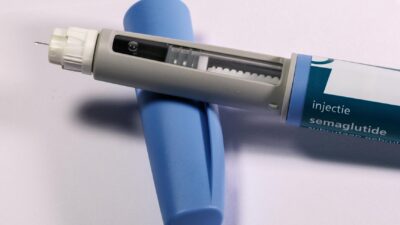
Eden semaglutide refers to a semaglutide prescription obtained through the Eden telehealth platform, not a unique drug. The active medication is the same GLP-1 receptor agonist used in Ozempic, Wegovy, and Rybelsus, and it works by mimicking a gut hormone that regulates hunger and blood sugar. This article explains how the therapy functions and what to consider before starting.
What Eden Semaglutide Actually Is
Eden is an online clinic that connects users with licensed clinicians who can prescribe semaglutide for eligible adults. Depending on the program and state regulations, the prescription may be filled as FDA-approved brand-name semaglutide or as compounded semaglutide from a 503A or 503B pharmacy. The telehealth wrapper does not change the pharmacology of the molecule, but it does change cost, supply chain, and clinical oversight compared with an in-person visit.
Before starting, you should know which version you are receiving. Compounded semaglutide is not FDA-approved and carries different quality-control expectations. Brand-name Ozempic and Wegovy are reviewed for purity, potency, and labeling. Ask the provider directly what pharmacy dispenses your vial or pen and whether the drug is brand or compounded.
How Semaglutide Works in the Body
Semaglutide is a long-acting GLP-1 receptor agonist. It binds receptors in the pancreas, gut, and brain to increase insulin release when glucose is high, suppress glucagon, slow gastric emptying, and reduce appetite centrally. These combined effects lower post-meal glucose spikes and produce steady caloric deficit without the willpower fatigue of diet alone.
The drug has a half-life of about seven days, which is why injections are weekly. Steady-state concentrations take four to five weeks to build, and clinicians typically titrate the dose every four weeks to balance tolerability against efficacy. People with prediabetes who also carry excess weight often see both fasting glucose and A1C improve as weight comes down.
Who Qualifies for GLP-1 Therapy
FDA labeling for semaglutide (Wegovy) in weight management covers adults with a BMI of 30 or higher, or 27 or higher with at least one weight-related condition such as hypertension, dyslipidemia, or type 2 diabetes. For type 2 diabetes, Ozempic is indicated as an adjunct to diet and exercise. Telehealth clinicians generally follow similar eligibility criteria, though individual platforms may set their own thresholds.
Expected Benefits Timeline
| Timeframe | Typical Change | Notes |
|---|---|---|
| Week 1-2 | Reduced appetite, early nausea | Starting dose; food sounds less appealing |
| Week 4-8 | 2-5% body weight loss | First dose escalation; fasting glucose begins dropping |
| Month 3-6 | 5-10% body weight loss | A1C reductions of 1.0-1.5 points common in diabetes |
| Month 12+ | 10-15% body weight loss | Plateau possible; maintenance plan becomes key |
Common and Serious Side Effects
The most common side effects are gastrointestinal: nausea, vomiting, diarrhea, constipation, and reflux. These usually peak in the first two weeks after each dose increase and fade as the body adapts. Hydration, smaller meals, and lower-fat foods help. A tailored diet and nutrition plan can meaningfully reduce GI symptoms.
Less common but serious risks include pancreatitis, gallbladder disease, acute kidney injury from dehydration, and hypoglycemia when combined with insulin or sulfonylureas. The FDA also carries a boxed warning for thyroid C-cell tumors based on rodent studies. Report severe abdominal pain, persistent vomiting, or vision changes to a clinician immediately.
How Eden Semaglutide Fits into a Treatment Plan
According to the American Diabetes Association, GLP-1 agonists are recommended for adults with type 2 diabetes who need additional glucose lowering or have established cardiovascular disease. For prediabetes, lifestyle change remains first-line. A telehealth prescription should always be paired with a monitoring plan, including periodic A1C checks, lipid panels, and weight trends. Consider how the treatment complements — rather than replaces — nutrition, sleep, and activity changes outlined in the broader treatment pathway.
Questions to Ask Before Enrolling
- Is the prescription for FDA-approved brand-name semaglutide or compounded semaglutide?
- Which pharmacy dispenses the medication, and is it licensed in my state?
- What is the monthly cost including follow-up visits, and what happens if I stop?
- Who reviews my labs, and how often are A1C and kidney function rechecked?
- What is the plan for titration, plateau, and eventual maintenance or tapering?
The Bottom Line
Eden semaglutide is a telehealth route to obtain a well-studied GLP-1 medication. The drug itself is effective for weight loss and glycemic control, but the value of any specific program depends on whether you receive FDA-approved product, transparent clinical oversight, and a realistic maintenance plan. Speak with your own clinician about whether GLP-1 therapy fits your health goals and whether telehealth is the right delivery channel.
Medical disclaimer: This article is for educational purposes only and is not a substitute for professional medical advice, diagnosis, or treatment. Always consult a qualified healthcare provider before starting, stopping, or changing any medication.