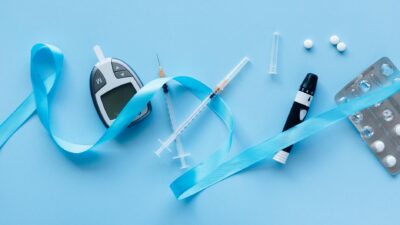
The GLP-1 drugs list currently includes five molecules sold under at least eleven brand names. Semaglutide (Ozempic, Wegovy, Rybelsus), tirzepatide (Mounjaro, Zepbound), liraglutide (Victoza, Saxenda), dulaglutide (Trulicity), and exenatide (Byetta, Bydureon) anchor the class. They share a mechanism but differ in potency, dosing frequency, approved uses, and cardiovascular benefit data.
What GLP-1 Receptor Agonists Do
Glucagon-like peptide-1 is a hormone released by the gut after eating. It boosts insulin secretion when glucose is high, suppresses glucagon, slows gastric emptying, and activates satiety centers in the brain. GLP-1 receptor agonists are engineered proteins that bind the same receptor but resist breakdown, so one injection can act for days. The result: lower post-meal glucose, lower A1C, reduced appetite, and weight loss.
The Complete GLP-1 Drugs List
| Brand | Molecule | Dosing | Approved Use |
|---|---|---|---|
| Ozempic | Semaglutide 0.25-2 mg | Weekly injection | Type 2 diabetes, CV risk reduction |
| Wegovy | Semaglutide 0.25-2.4 mg | Weekly injection | Chronic weight management, CV risk reduction |
| Rybelsus | Semaglutide 3-14 mg | Daily oral tablet | Type 2 diabetes |
| Mounjaro | Tirzepatide 2.5-15 mg | Weekly injection | Type 2 diabetes |
| Zepbound | Tirzepatide 2.5-15 mg | Weekly injection | Chronic weight management, sleep apnea |
| Victoza | Liraglutide 0.6-1.8 mg | Daily injection | Type 2 diabetes |
| Saxenda | Liraglutide 0.6-3 mg | Daily injection | Chronic weight management |
| Trulicity | Dulaglutide 0.75-4.5 mg | Weekly injection | Type 2 diabetes, CV risk reduction |
| Byetta | Exenatide 5-10 mcg | Twice-daily injection | Type 2 diabetes |
| Bydureon BCise | Exenatide ER 2 mg | Weekly injection | Type 2 diabetes |
Diabetes Indications vs Weight-Loss Indications
Ozempic and Wegovy contain the same molecule (semaglutide) at different doses. Mounjaro and Zepbound are identical molecules (tirzepatide) branded separately. Same for Victoza and Saxenda (liraglutide). The FDA approves each indication separately, which is why insurance coverage often differs between the diabetes and weight-loss versions even when the molecule is the same.
Cardiovascular and Kidney Benefits
Large outcome trials have demonstrated that several GLP-1 drugs lower the risk of heart attack, stroke, and cardiovascular death in adults with type 2 diabetes and established cardiovascular disease. Semaglutide, liraglutide, and dulaglutide all carry FDA-approved cardiovascular risk reduction indications. The American Diabetes Association now recommends a GLP-1 receptor agonist as a preferred add-on for patients with type 2 diabetes and cardiovascular or kidney disease.
Shared Side Effects
Gastrointestinal symptoms dominate the class:
- Nausea, especially during dose escalation
- Vomiting, diarrhea, or constipation
- Heartburn, bloating, or belching
- Decreased appetite and occasional food aversion
- Fatigue and mild headache
Less common but serious concerns include acute pancreatitis, gallstones and gallbladder inflammation, acute kidney injury from dehydration, and injection-site reactions. Medullary thyroid carcinoma was observed in rodent studies, prompting a boxed warning and a contraindication in patients with personal or family history of medullary thyroid cancer or MEN 2.
What to Ask About Cost
List prices for branded GLP-1 drugs range from roughly $900 to $1,400 per month in the US. Insurance coverage varies by diagnosis. Manufacturer savings cards can drop commercial copays to $25 for eligible patients. Compounded versions sold by some telehealth services are not FDA-approved; shortages have driven demand toward these, but quality and safety are not guaranteed.
How Clinicians Choose
- For type 2 diabetes plus cardiovascular disease: semaglutide, liraglutide, or dulaglutide have the strongest outcome data
- For diabetes plus obesity with A1C well above target: tirzepatide tends to produce the largest A1C and weight reductions
- For weight management alone: Wegovy or Zepbound
- For patients who prefer oral therapy: Rybelsus, with the caveat that absorption requires specific fasting conditions
If you are trying to understand where you fall on the glucose spectrum, start with our A1C levels guide and treatment overview.
What Is Not on the List
SGLT2 inhibitors (empagliflozin, dapagliflozin), metformin, DPP-4 inhibitors, insulin, and sulfonylureas are distinct drug classes, not GLP-1 drugs. They are often combined with GLP-1 agonists, but mechanism and side-effect profiles differ. Drugs in development (amycretin, retatrutide, survodutide) are investigational and not yet FDA-approved.
The Bottom Line
The GLP-1 drugs list spans five molecules and roughly a dozen branded products, with uses ranging from type 2 diabetes to chronic weight management, cardiovascular risk reduction, and obstructive sleep apnea. They work by mimicking a natural gut hormone, and they share a side-effect profile dominated by gastrointestinal symptoms. Selection is individualized; your clinician will weigh your goals, conditions, insurance coverage, and tolerability.
Medical disclaimer: This article is for educational purposes and is not medical advice. Any decision about starting, switching, or stopping a GLP-1 drug should be made with your prescribing clinician.