A GLP-1 pill is an oral tablet that activates the glucagon-like peptide-1 receptor to lower blood sugar and reduce appetite. The only FDA-approved option currently available is Rybelsus (oral semaglutide), which is indicated for adults with type 2 diabetes. Oral GLP-1 therapy offers an injection-free alternative but requires strict dosing rules and tends to produce smaller weight loss than injectable versions.
What a GLP-1 Pill Does in the Body
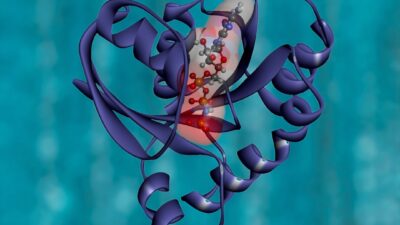
GLP-1 is a hormone released by the gut after eating. It stimulates insulin release, suppresses glucagon, slows gastric emptying, and signals fullness to the brain. GLP-1 receptor agonists mimic this hormone to improve blood sugar control and reduce appetite. Traditionally these drugs have been injectable because peptide molecules are destroyed by stomach acid. Rybelsus overcomes that barrier by combining semaglutide with an absorption enhancer (SNAC), which temporarily protects the drug as it crosses the stomach lining.
FDA-Approved GLP-1 Pills
Rybelsus is the sole FDA-approved GLP-1 pill. It is available in 3 mg (starting dose, not effective for glucose control), 7 mg, and 14 mg tablets. The approved indication is type 2 diabetes in adults, used alongside diet and exercise. Rybelsus is not approved for weight loss, type 1 diabetes, or pediatric use.
Several investigational oral GLP-1 candidates are in development. Orforglipron, a daily non-peptide oral GLP-1 from Eli Lilly, showed meaningful A1C and weight reductions in Phase 3 trials published in 2025, but has not yet received FDA approval. Higher-dose oral semaglutide for obesity is also under regulatory review.
How to Take a GLP-1 Pill
Rybelsus absorption depends on strict fasting conditions. You must take the tablet first thing in the morning, with no more than 4 ounces of plain water, on an empty stomach. Then wait at least 30 minutes before eating, drinking anything other than water, or taking other medications. Skipping the fasting window reduces absorption substantially and can render the dose ineffective.
Dose titration typically starts at 3 mg daily for 30 days, then increases to 7 mg daily for at least 30 days, then optionally 14 mg daily if additional glucose control is needed. Your prescriber, not this article, will determine the right dose and pace for you based on individual factors. Patients who also monitor A1C levels regularly tend to track treatment response more effectively.
Effectiveness of Oral vs. Injectable GLP-1
Head-to-head data from the PIONEER trial program and indirect comparisons paint a clear picture.
| Medication | Route | Typical A1C Reduction | Typical Weight Loss | Primary Indication |
|---|---|---|---|---|
| Rybelsus 14 mg | Oral, daily | 1.0 to 1.4% | 3 to 5 kg | Type 2 diabetes |
| Ozempic 1 mg | Injection, weekly | 1.4 to 1.8% | 4 to 6 kg | Type 2 diabetes |
| Wegovy 2.4 mg | Injection, weekly | N/A (weight indication) | 12 to 15% body weight | Chronic weight management |
| Mounjaro 15 mg | Injection, weekly | 1.9 to 2.4% | 7 to 11 kg | Type 2 diabetes |
| Zepbound 15 mg | Injection, weekly | N/A (weight indication) | 18 to 22% body weight | Chronic weight management |
Oral semaglutide works, but the magnitude of blood sugar and weight improvement is generally smaller than injectable options. For patients whose priority is avoiding injections, the convenience trade-off is often worthwhile.
Common Side Effects of GLP-1 Pills
Gastrointestinal effects dominate the side-effect profile. In clinical trials of Rybelsus, the most common adverse events were nausea (15 to 20 percent), diarrhea (10 to 14 percent), vomiting (5 to 8 percent), decreased appetite, abdominal pain, and constipation. Most are mild to moderate and improve within a few weeks or after dose adjustments.
Less common but important risks include pancreatitis, gallbladder disease, and acute kidney injury from dehydration. Rybelsus, like all GLP-1 receptor agonists, carries a boxed warning for thyroid C-cell tumors based on rodent studies, and is contraindicated in patients with a personal or family history of medullary thyroid carcinoma or MEN 2.
Who Might Benefit from a GLP-1 Pill
Oral GLP-1 therapy often appeals to adults with type 2 diabetes who dislike or refuse injections, who have needle phobia, or whose lifestyle makes weekly injections inconvenient. It can also serve as a stepping stone for patients considering GLP-1 therapy but wanting to test tolerability in a daily oral format before switching to an injectable. Patients already on stable metformin therapy who need additional A1C reduction are typical candidates.
Rybelsus may be less suitable for patients who struggle with the strict fasting dosing window, because missed or mistimed doses significantly reduce effectiveness. Patients targeting major weight loss usually benefit more from injectable semaglutide or tirzepatide.
Cost and Access
Rybelsus list price is roughly $1,000 per month for a 30-day supply. Commercial insurance often covers it for type 2 diabetes with prior authorization. Novo Nordisk offers a savings card that can reduce copays to as low as $10 per month for eligible insured patients. Medicare coverage varies by plan. Uninsured patients may qualify for Novo Nordisk’s patient assistance program.
Future of Oral GLP-1 Therapy
The pipeline is active. Orforglipron, a once-daily non-peptide oral GLP-1 from Eli Lilly, does not require fasting dosing and showed A1C and weight reductions approaching injectable levels in Phase 3 trials. Higher-dose oral semaglutide for obesity has demonstrated weight loss close to injectable Wegovy in trials. Other oral GLP-1 and combination agents are in earlier development. If approved, these could significantly expand the role of pills in GLP-1 therapy over the next several years. Staying informed through resources like our treatment hub and the FDA drug approvals page helps track changes.
The Bottom Line
A GLP-1 pill offers an injection-free option for type 2 diabetes, currently limited to FDA-approved Rybelsus. Effectiveness is meaningful but generally smaller than injectable GLP-1 drugs, and the strict fasting dosing regimen requires commitment. Side effects are mostly gastrointestinal and temporary. If you are considering a GLP-1 pill, talk to your prescriber about whether Rybelsus fits your goals, tolerability, and daily routine.
Medical disclaimer: This article is for educational purposes only and is not a substitute for professional medical advice, diagnosis, or treatment. Always consult your physician or qualified healthcare provider with any questions about a medical condition or treatment.